since 2014
Passenger Information System for the Grand Paris Public Transportation Network — Metro
Lines 15, 16, 17, and 18
Designing a comprehensive information system for such a rapidly evolving area is a rather unique and rare opportunity in the transportation sector. While ensuring accessibility for all users—in the least restrictive sense possible—is one of the cornerstones of its design, the ability to operate within a pre-existing information “ecosystem” without adding further complexity is also a major challenge that this information system had to address.
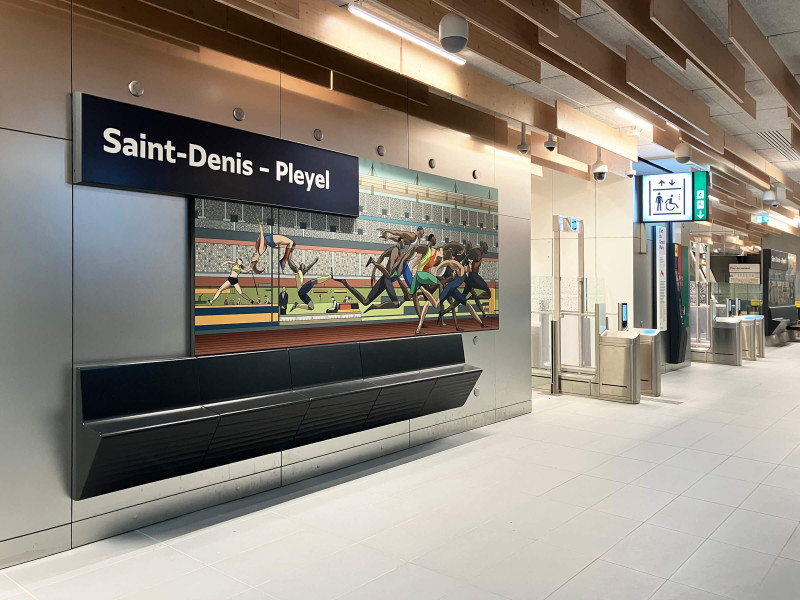
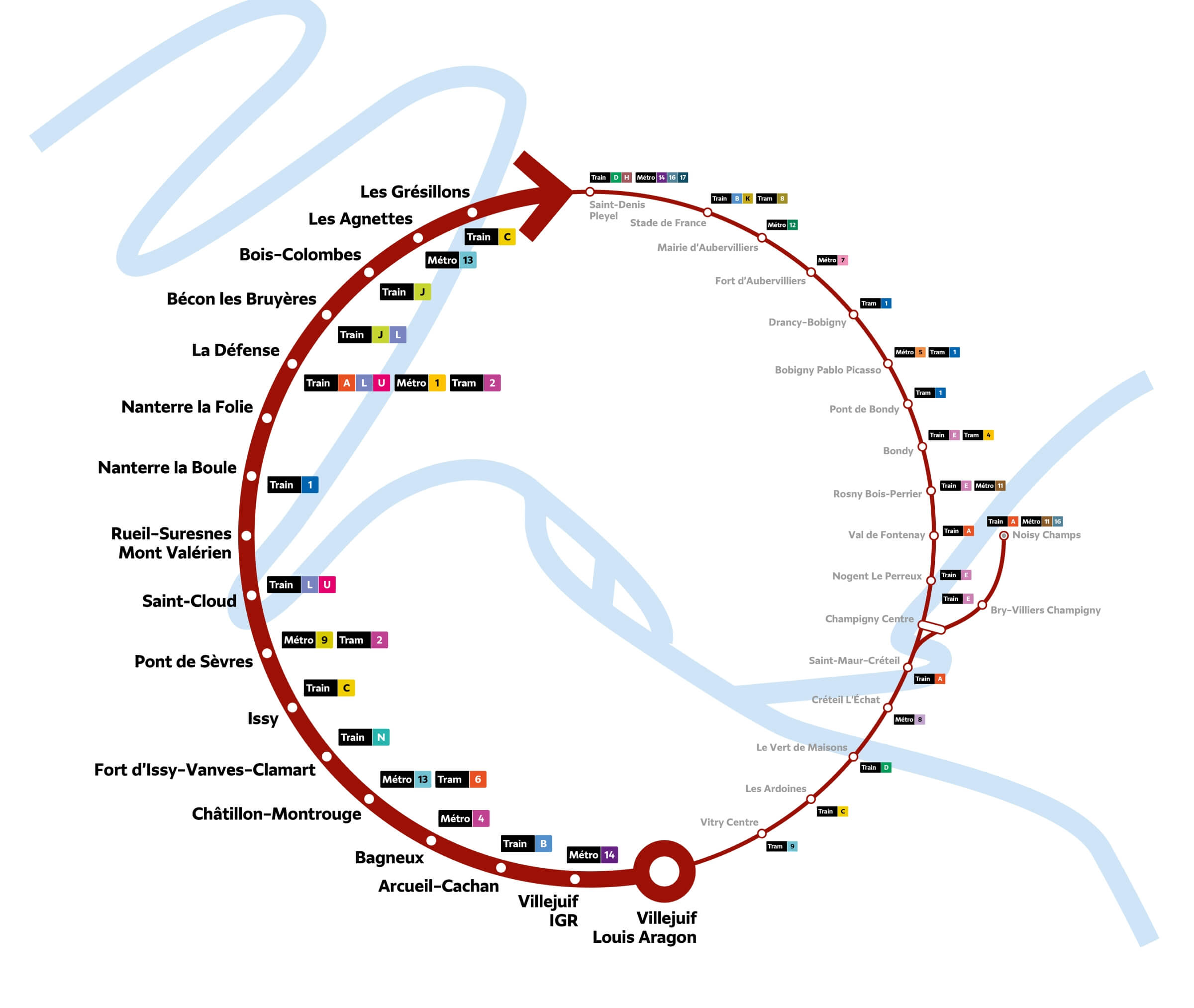
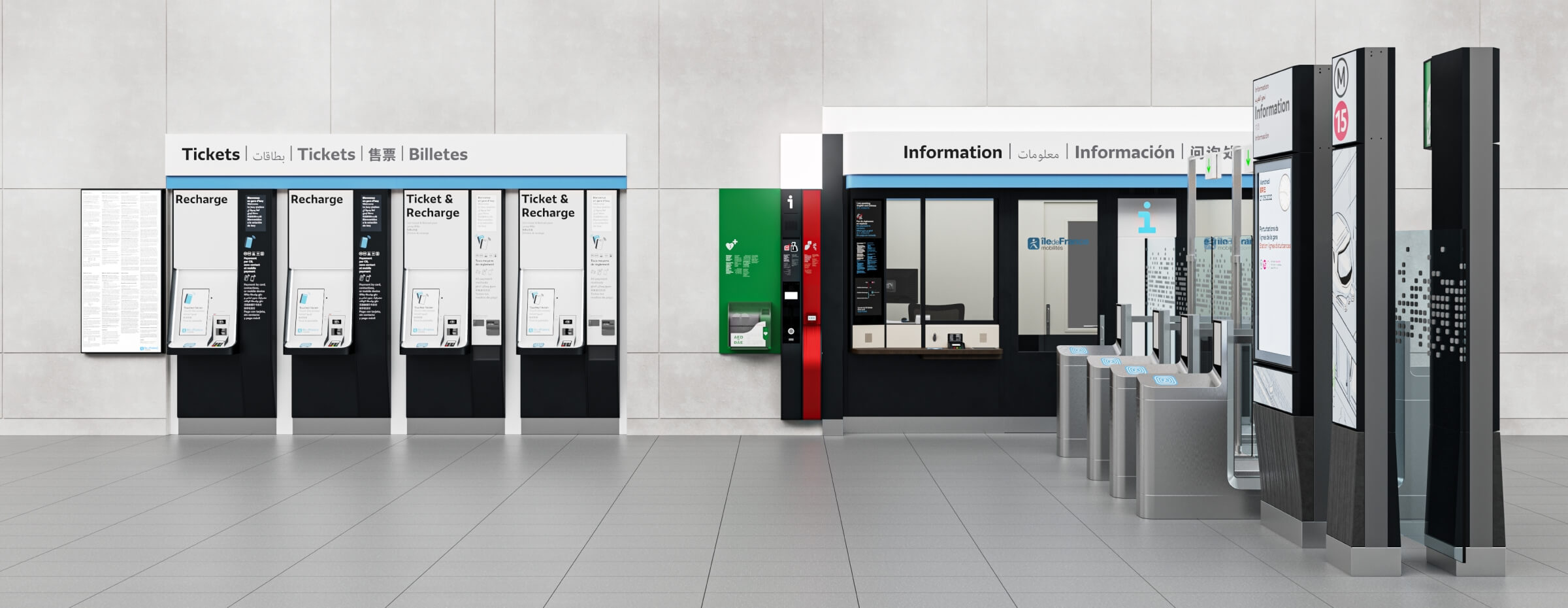
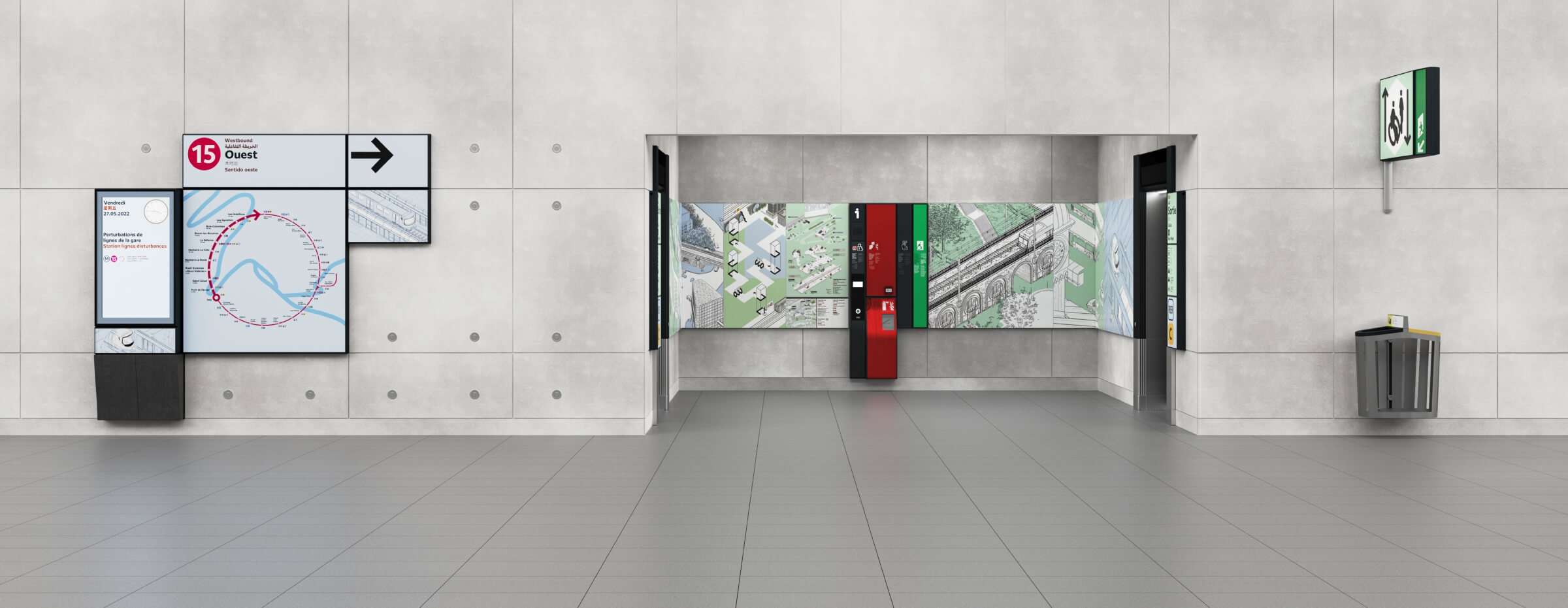
Nearly three-quarters of the Grand Paris stations are connected to existing metro, RER, or Transilien stations, TGV stations, or airports (Orly, Roissy-CDG, and Le Bourget), and the majority of future Grand Paris Express users will make their journey by transferring to another mode of transport: this observation makes it imperative to ensure seamless integration of information at Grand Paris stations with the information systems of existing networks. This continuity was addressed both in terms of content and its deployment within station spaces, to avoid any disruption and ensure maximum consistency regardless of the territory traversed. While this system had to coordinate with components of the existing network, the addition of new lines as specific as, for example, the loop formed by Line 15 transforms and redefines the operation of the entire Île-de-France network. We therefore developed the design principles for the Grand Paris Express’s information system to support this new holistic understanding.
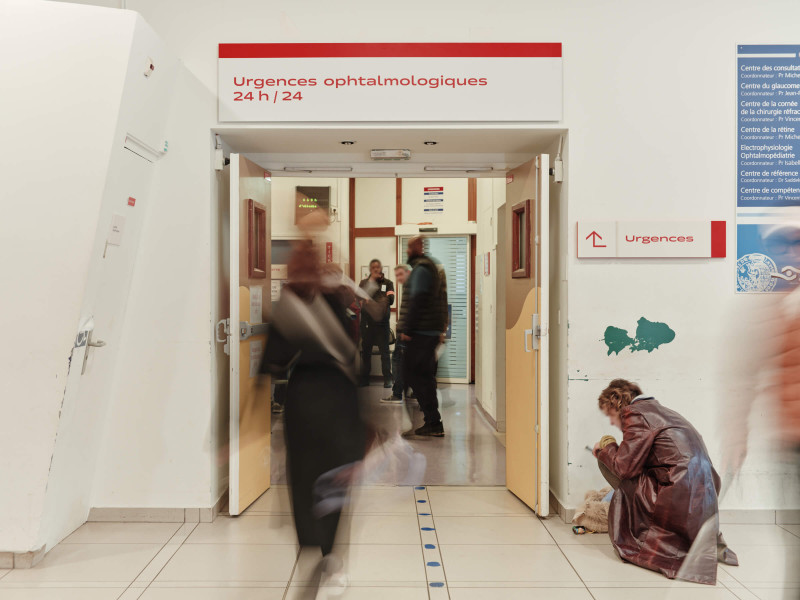
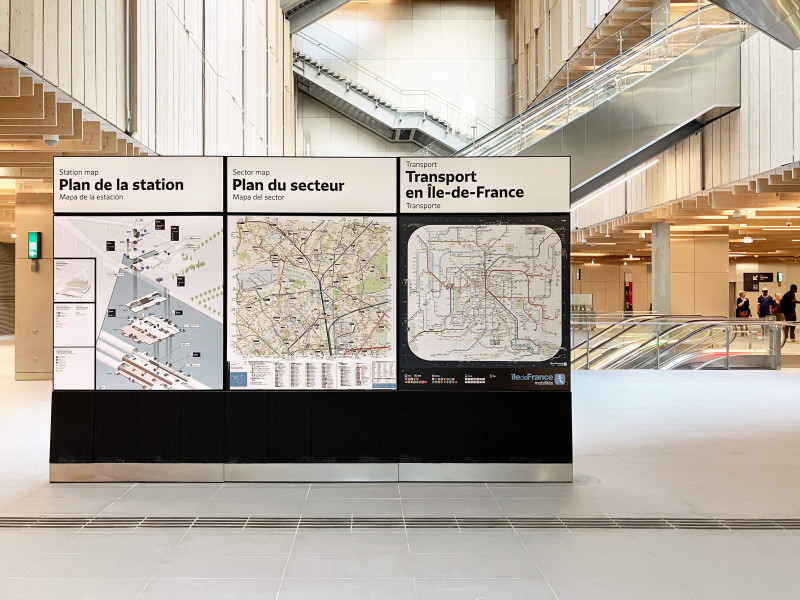
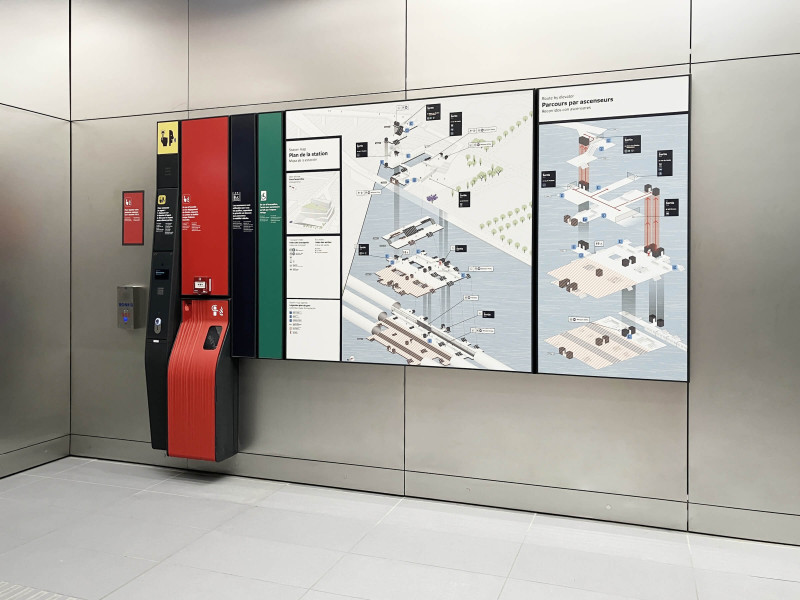
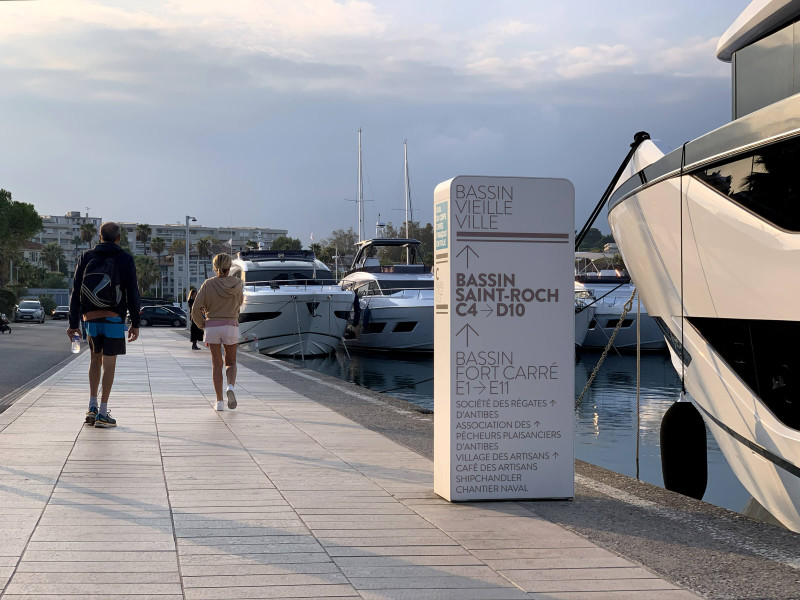
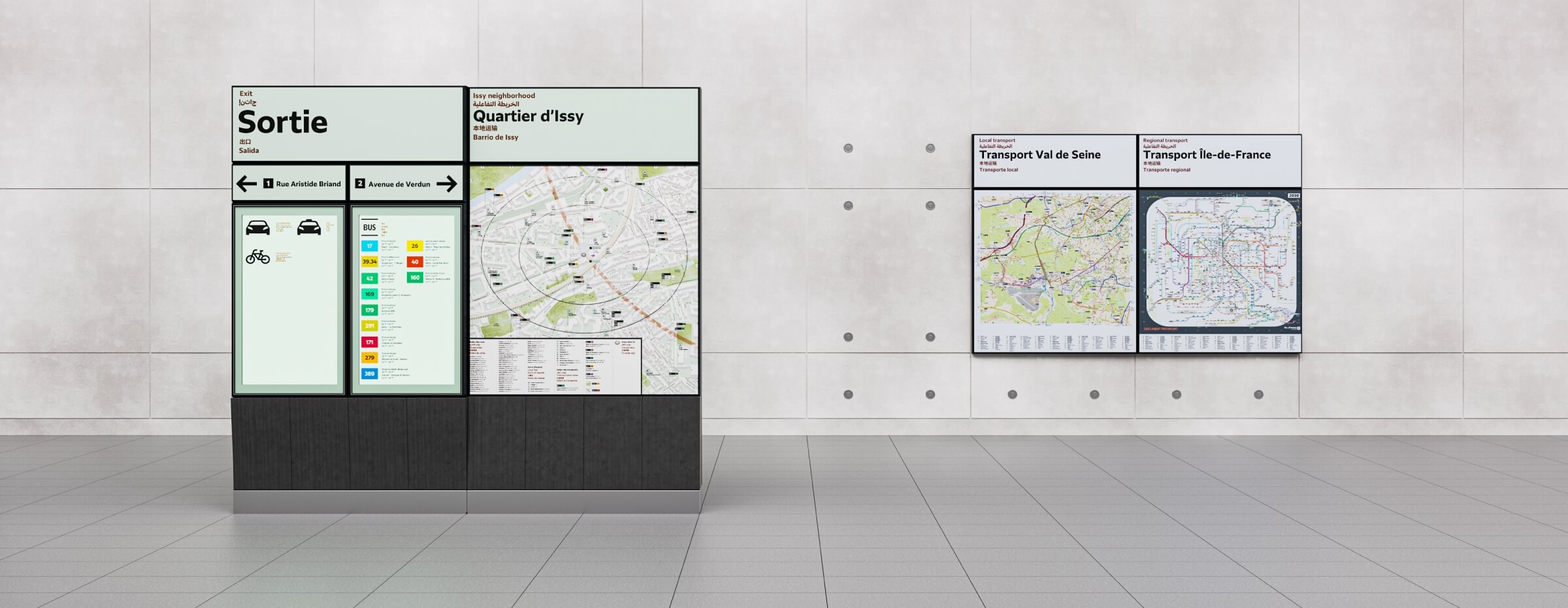
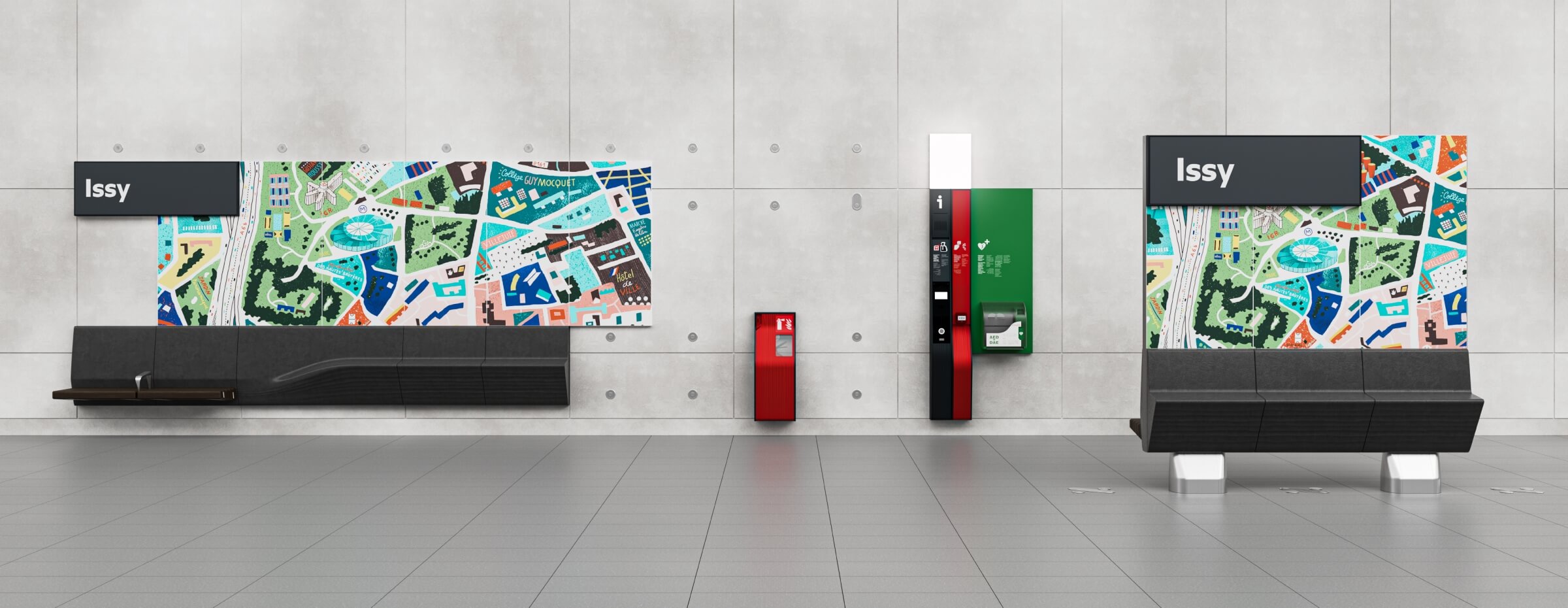
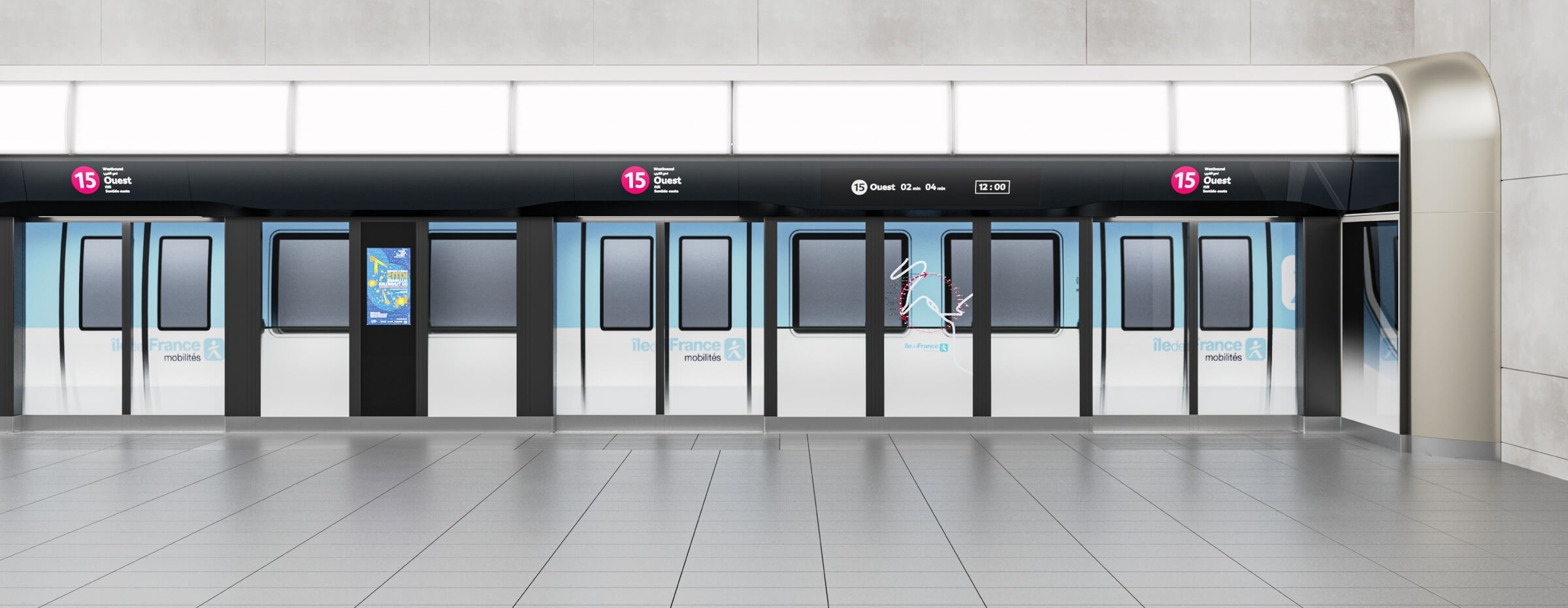
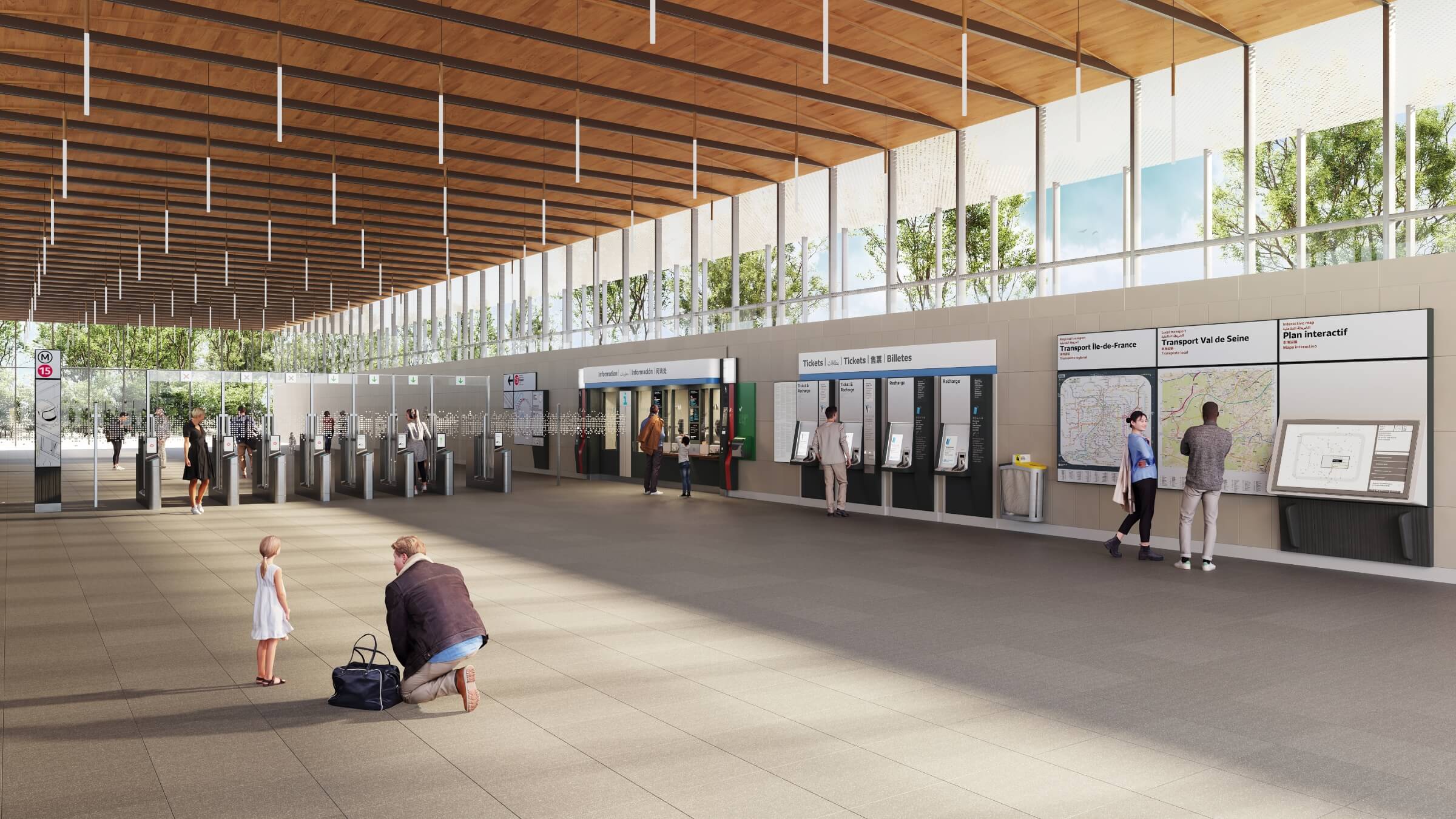
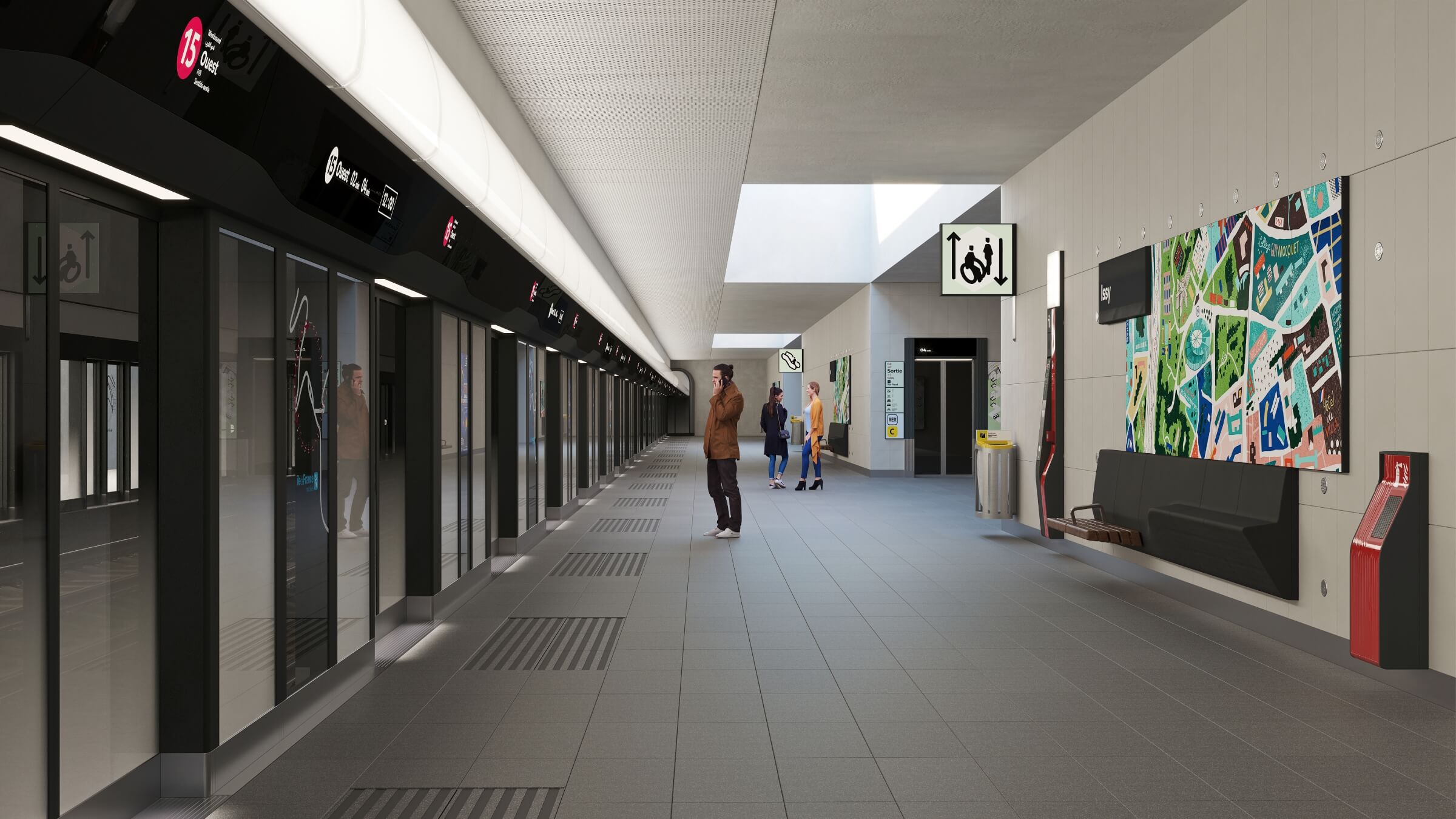
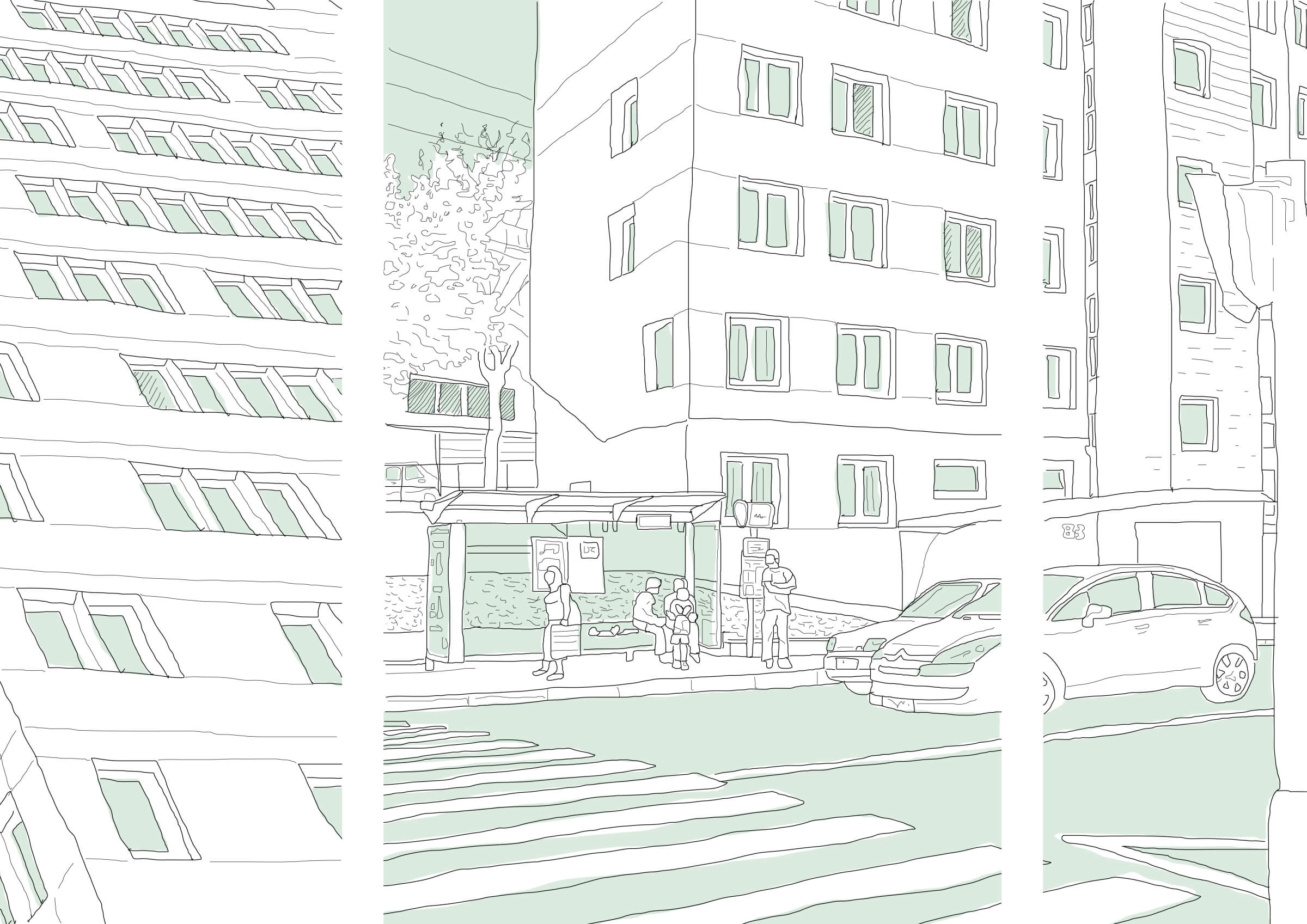
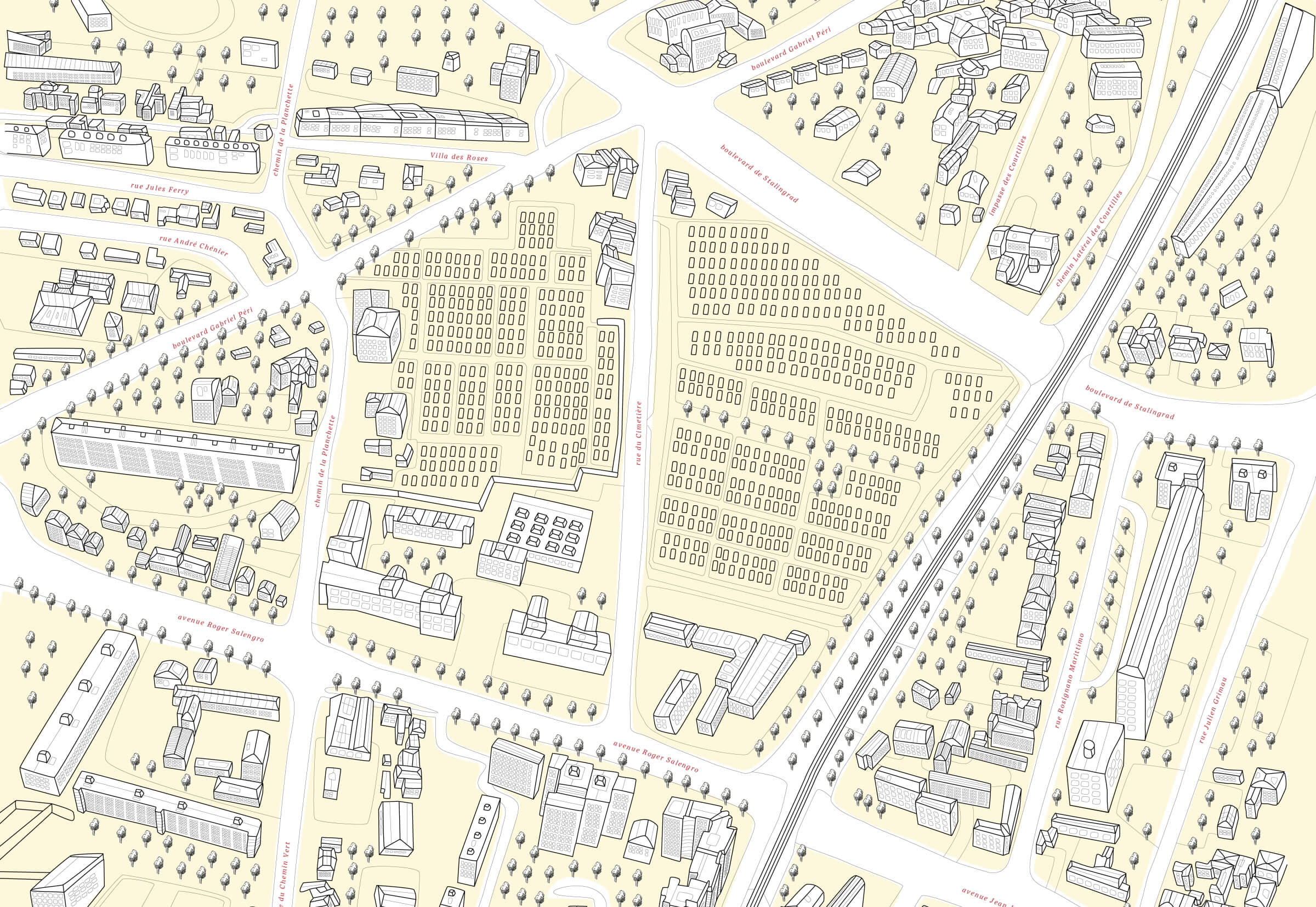
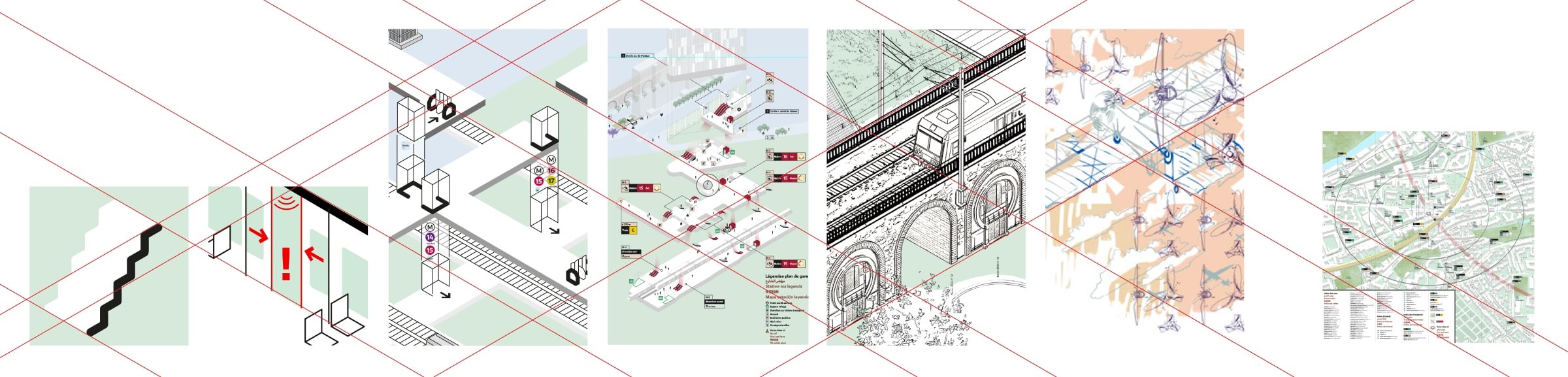
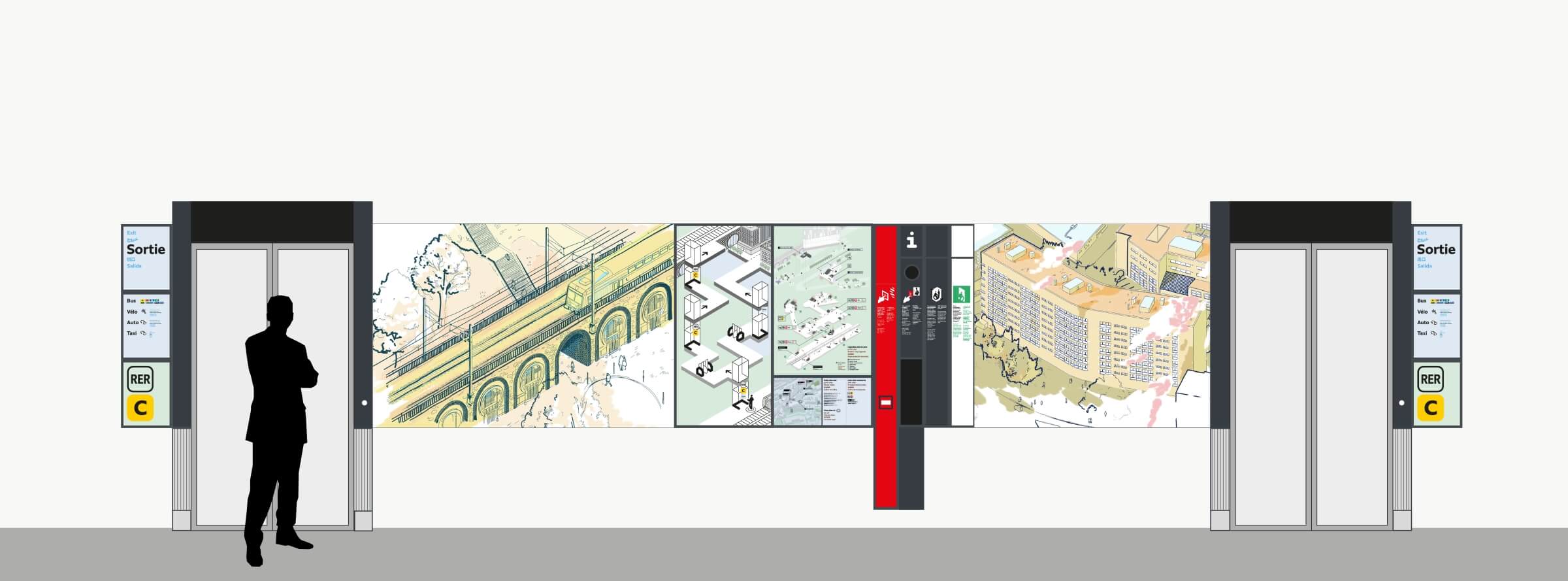
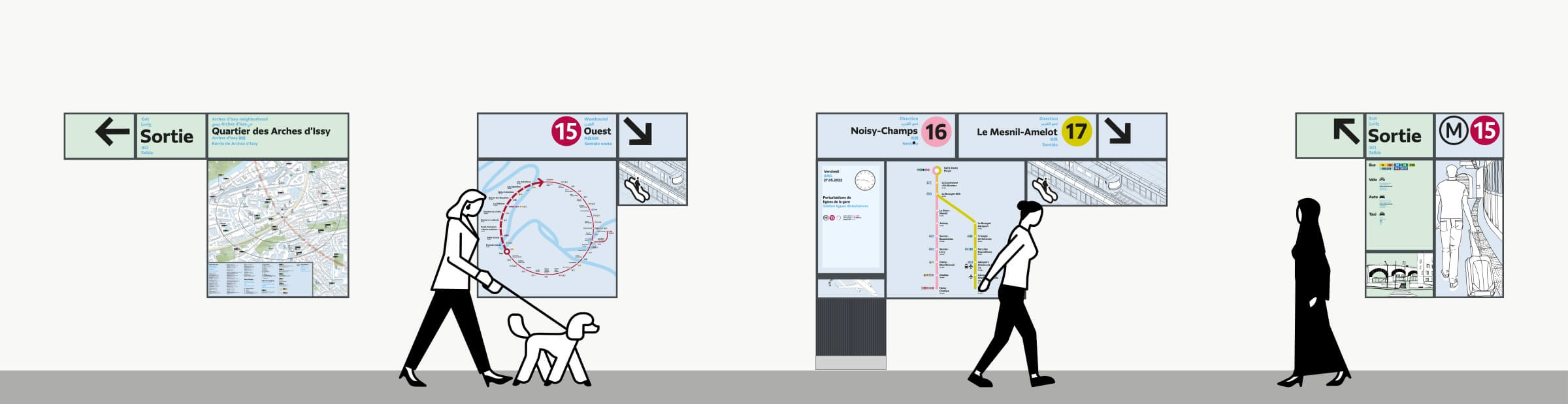
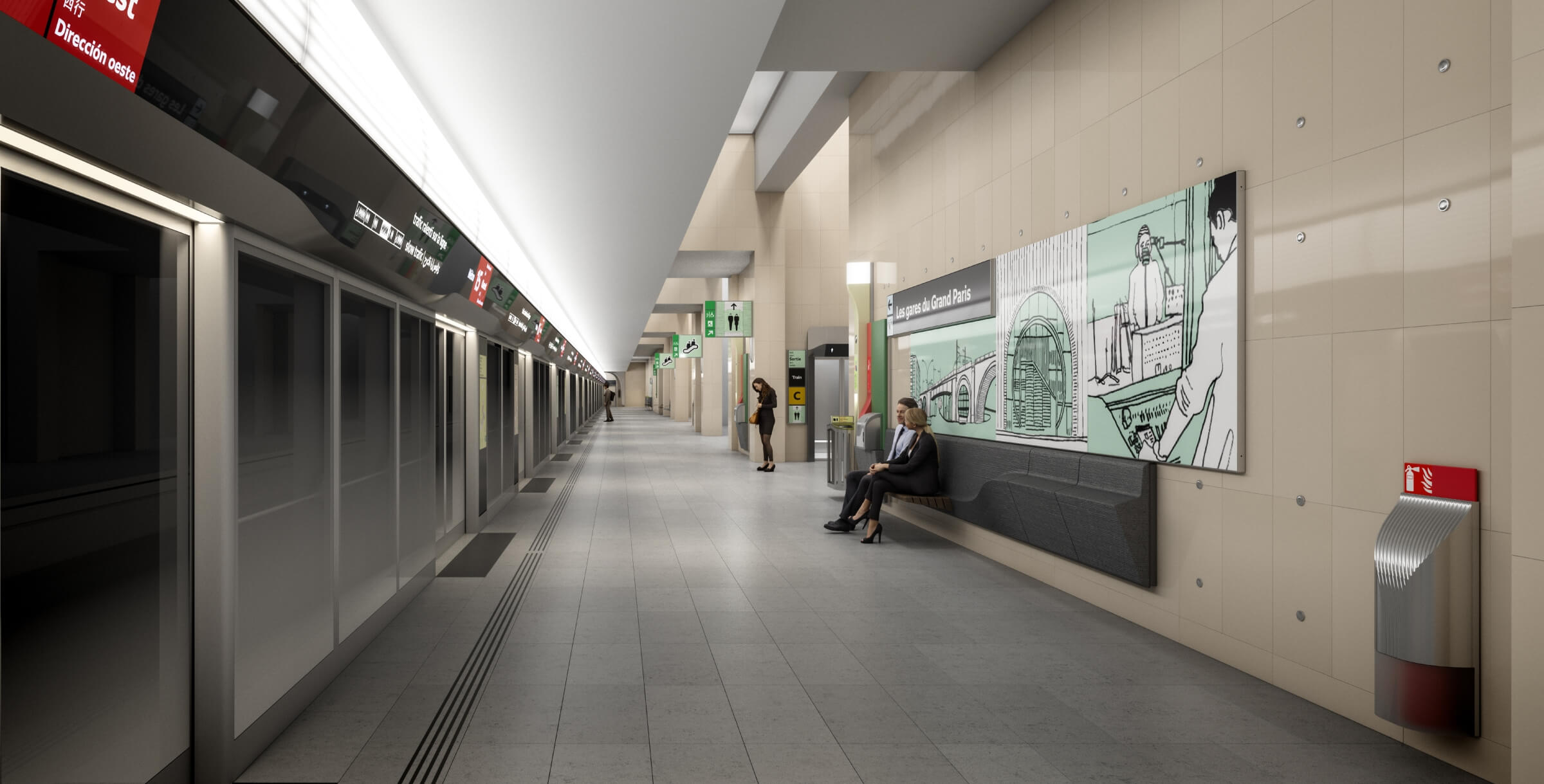
The design of the passenger information program allowed us to define the key principles of the system, which will be implemented in each of the 56 new stations. Research into layout design accompanied the detailed definition of content and its spatial arrangement, closely aligned with passengers’ journeys within the stations. With the goal of ensuring cross-functional information—both in terms of content and visual presentation—this work led to the establishment of several graphic and spatial principles for signage, mapping, and user guides. In addition to information directly related to transportation, special attention was given to representing the areas served by the Grand Paris Express. The goal was to represent the station and its operations, the urban context immediately outside the station, major built or geographical landmarks, and points of interest, to better guide travelers on their way out and foster a connection between the underground and the urban reality above ground.
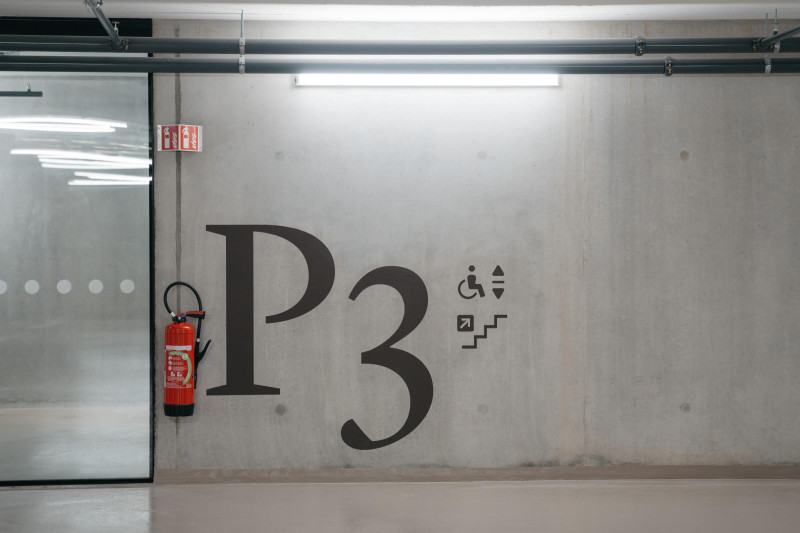
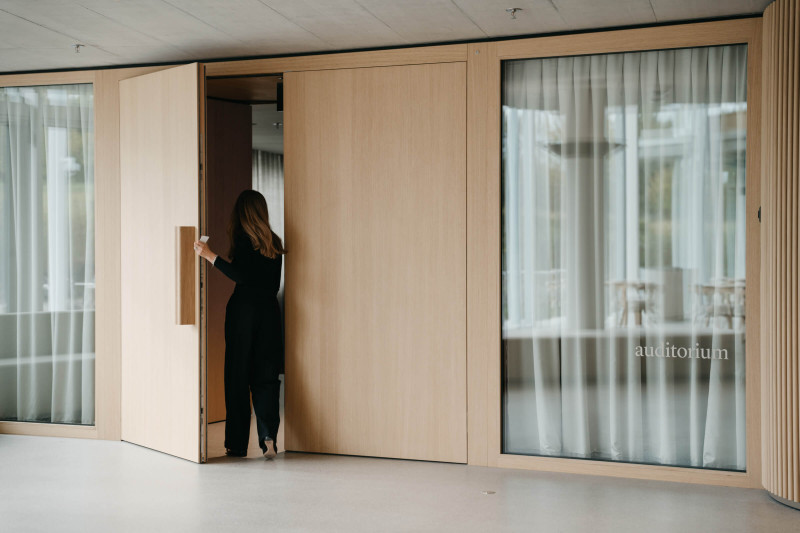
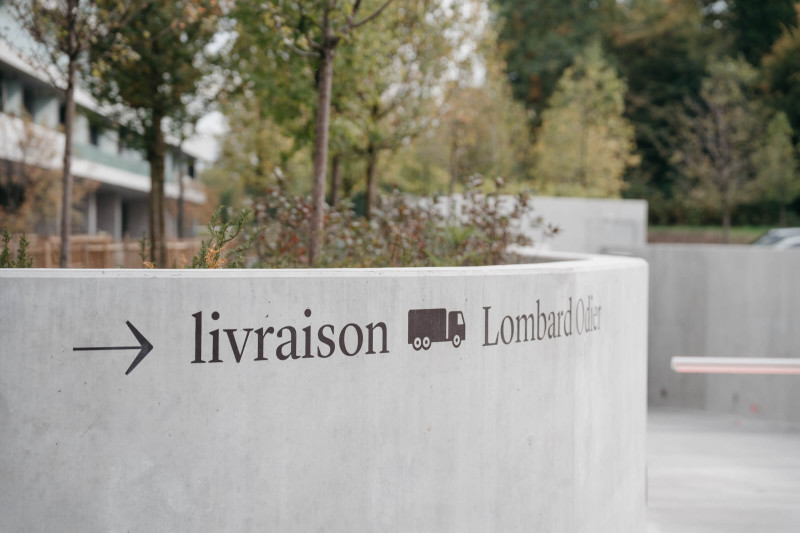
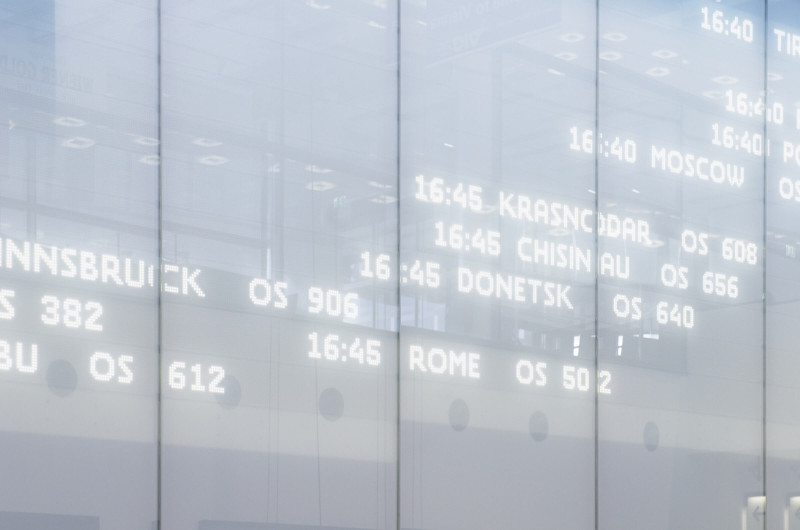
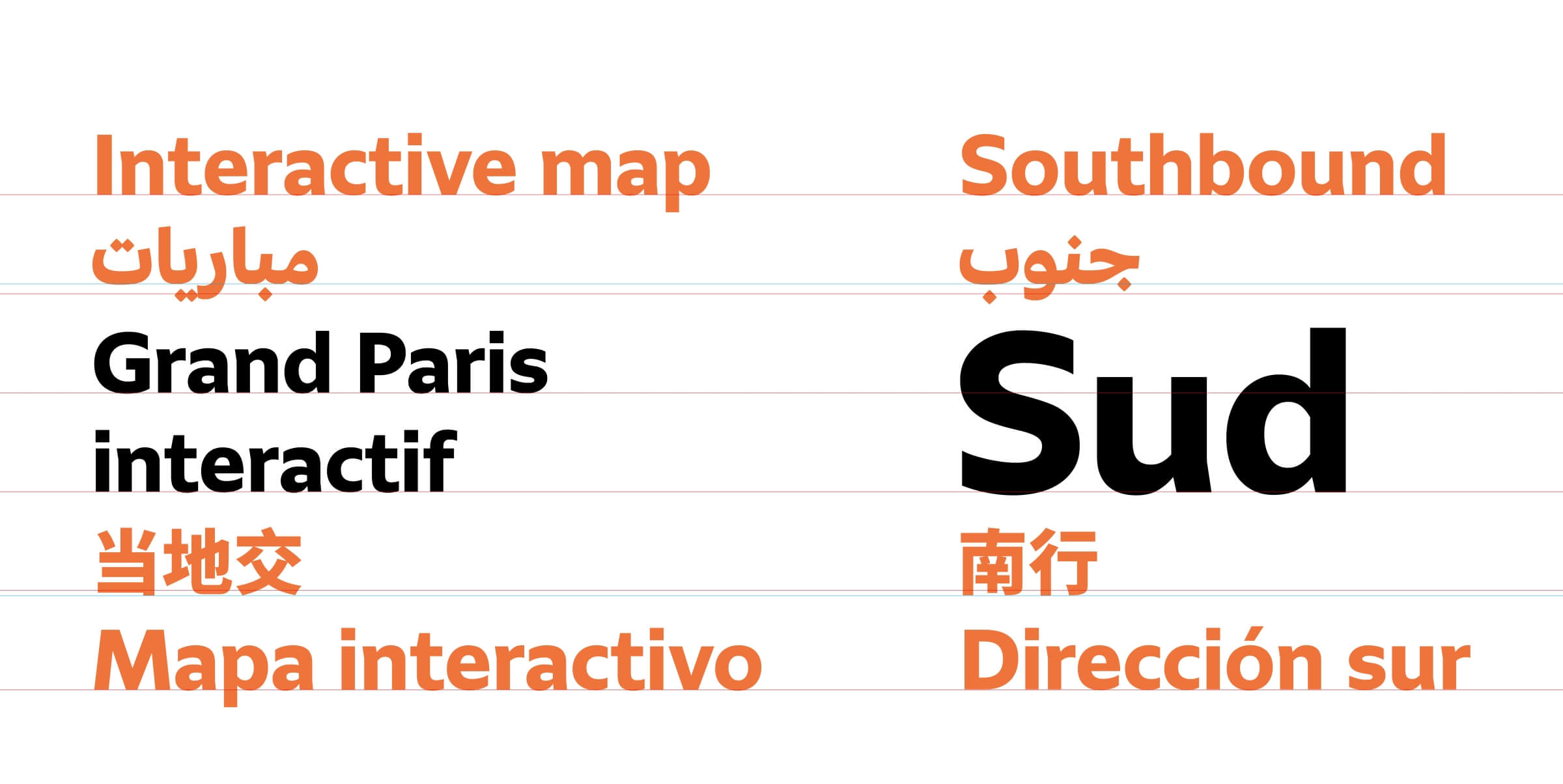
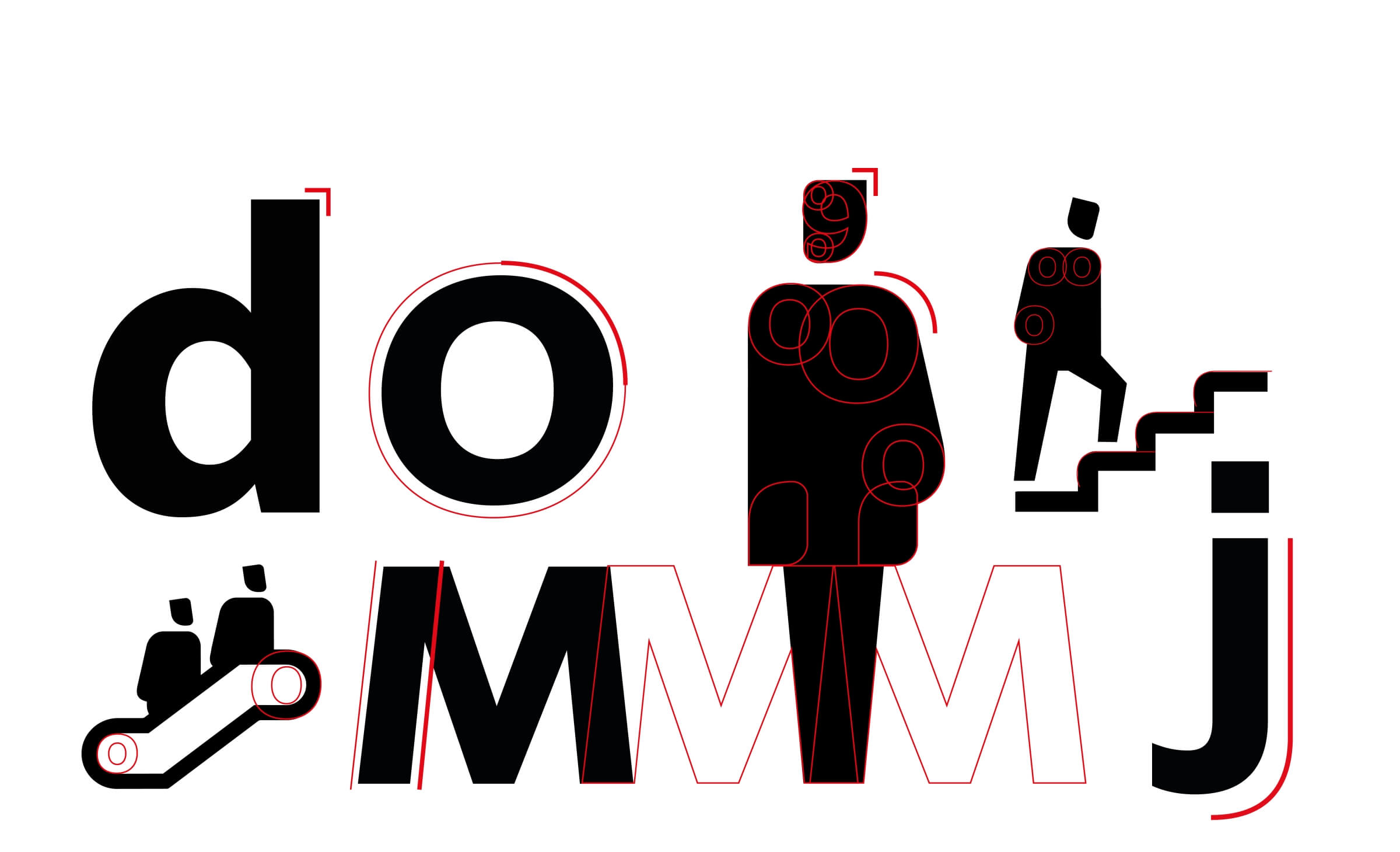
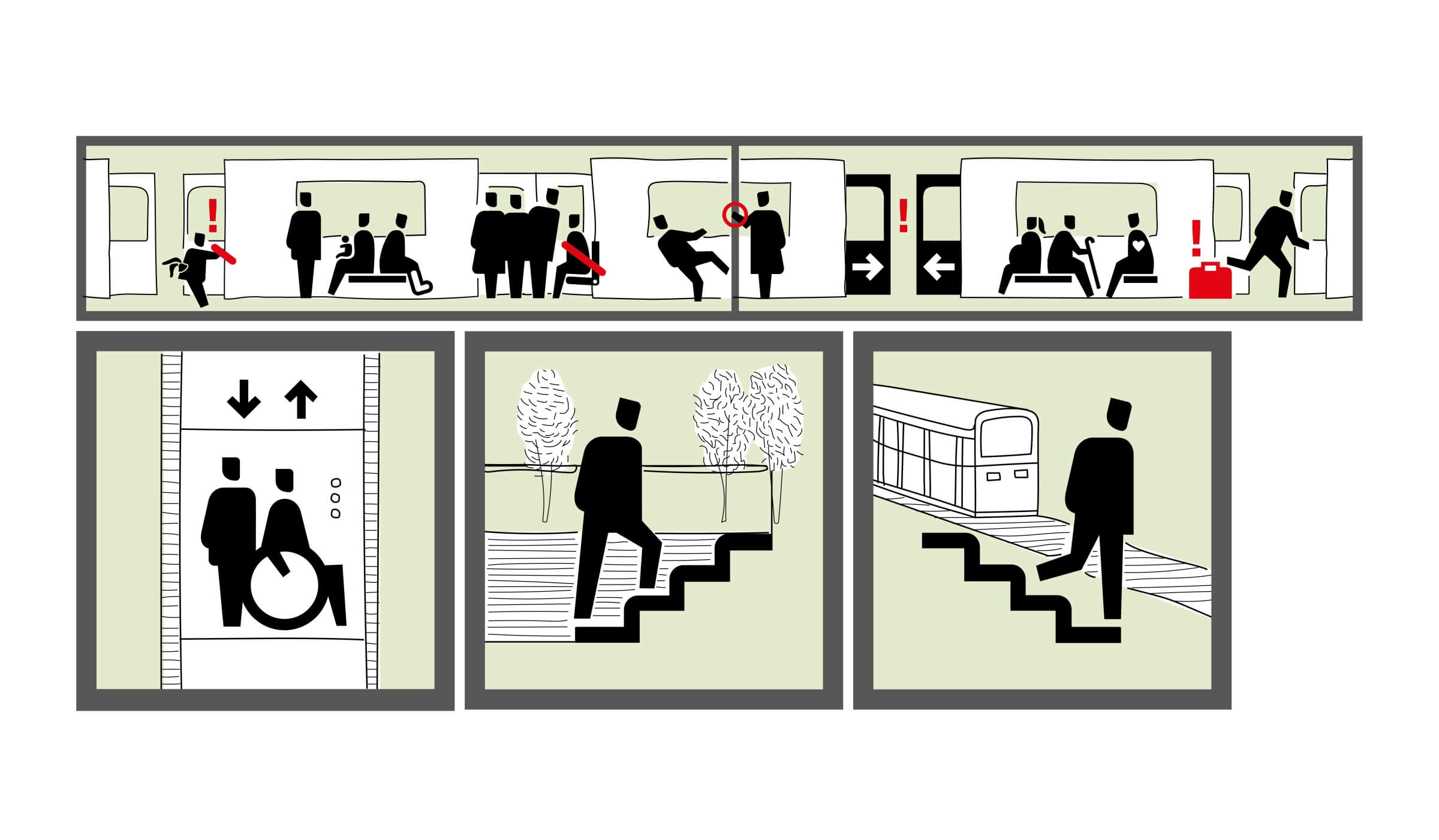
The graphic guidelines, still under development, precisely detail the presentation of all information. Several elements contribute to establishing a cross-cutting and consistent visual language: layout principles that are modular and adaptable to various static media as well as to dynamic in-situ media, and to personal devices (smartphones), an exclusive typeface designed by Peter Bil’ak, an extensive range of pictograms (approximately 150 symbols), and principles of cartography and illustration.
Supporting Société du Grand Paris in its collaboration with other service providers (station architects, systems engineers, media designers, architectural consultants) as well as in its dialogue with associations representing users with disabilities, elected officials, and the Île-de-France transport authority rounded out this project.

Design Team — Led by Ruedi Baur and Eva Kubinyi,
with Denis Coueignoux, Robin Coenen, Simone Burth, and Kevin Laclautre Digital
Design — Olivier Cornet
Typography — Peter Bil’ak