since 2018
Harbors of Gallice and Vauban
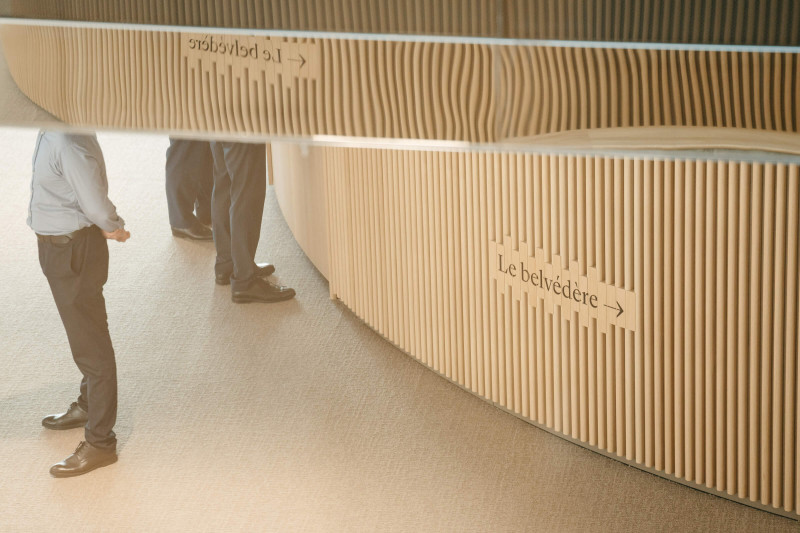
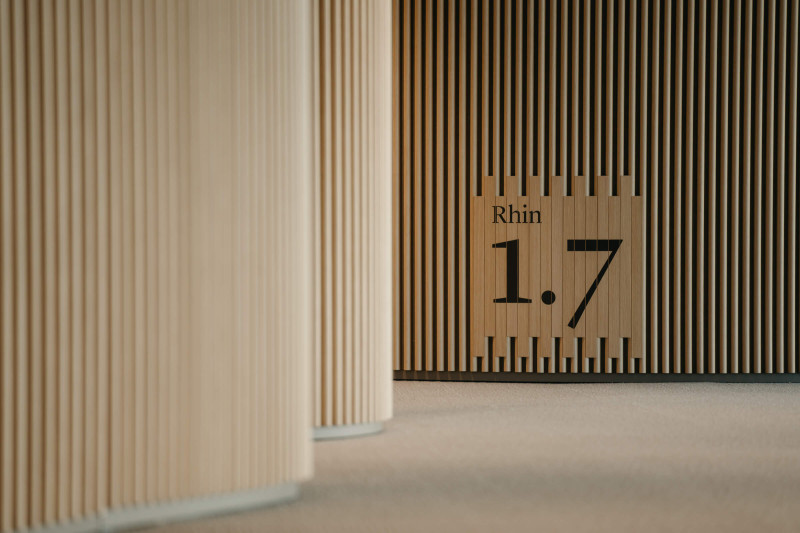
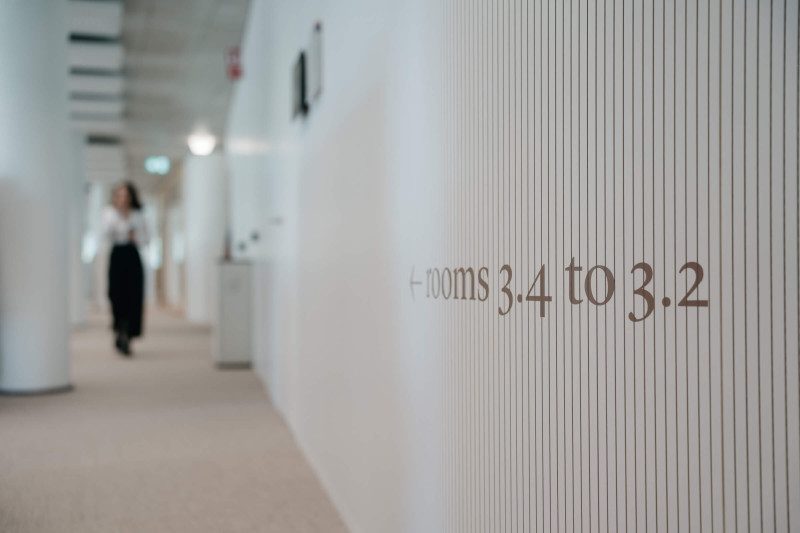
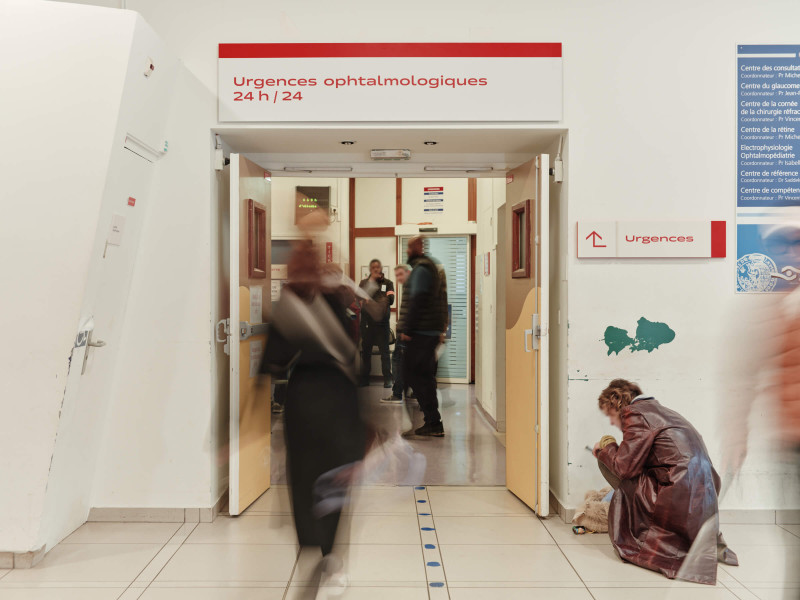
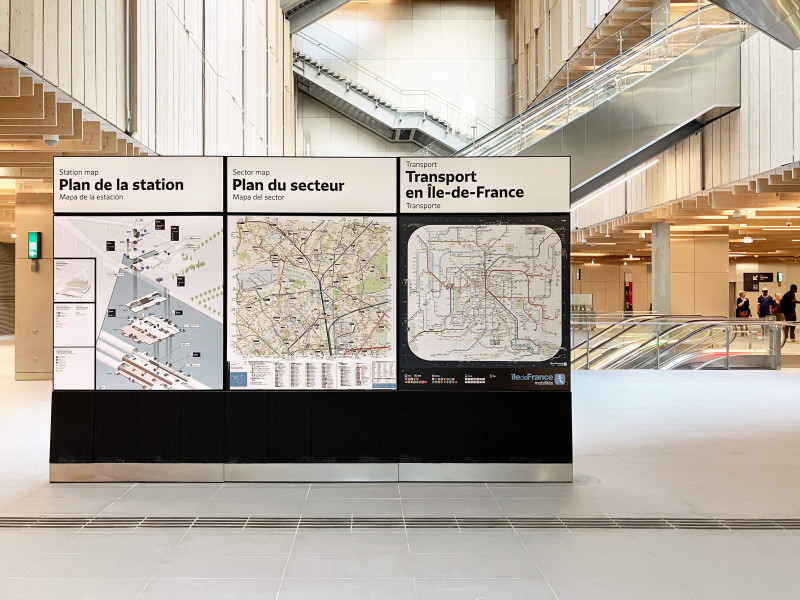
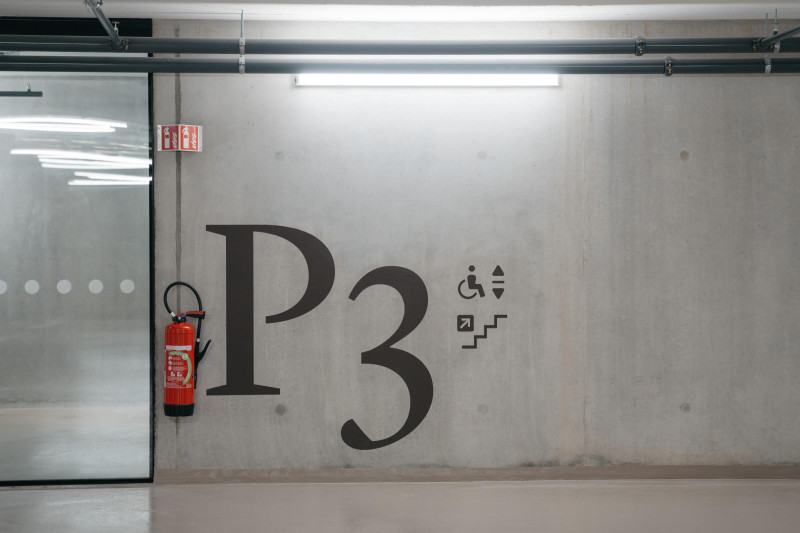
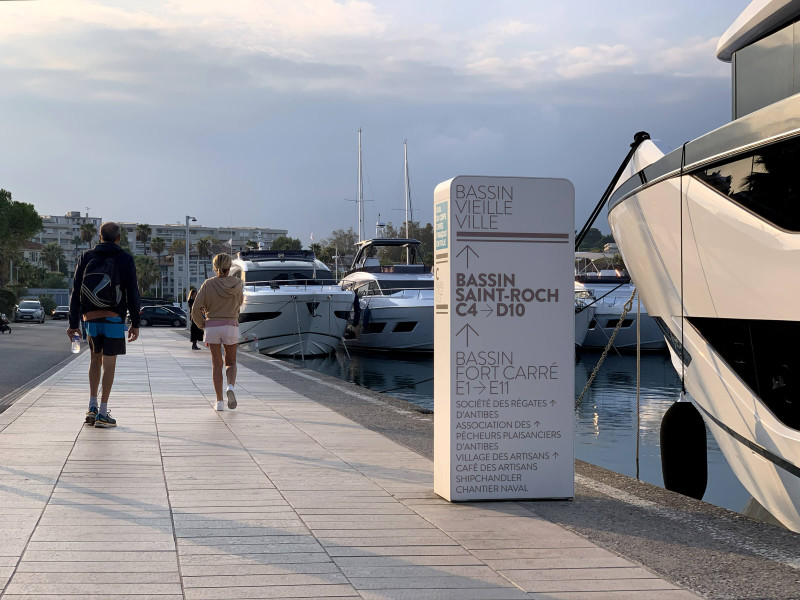
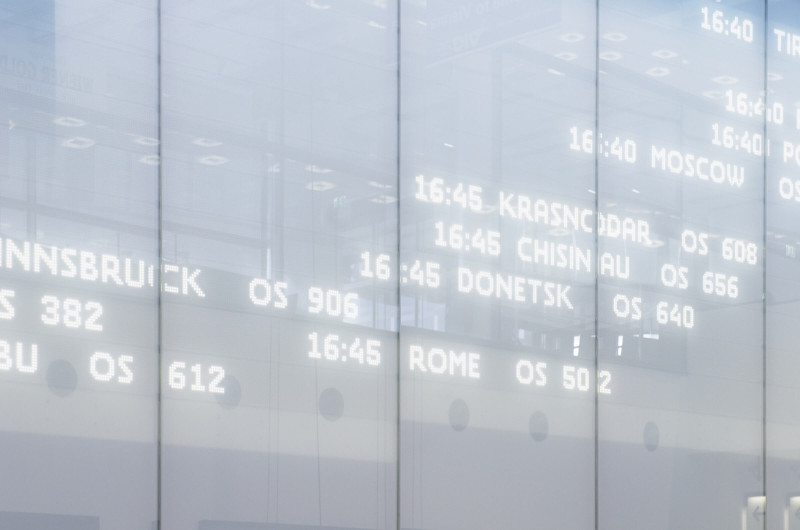
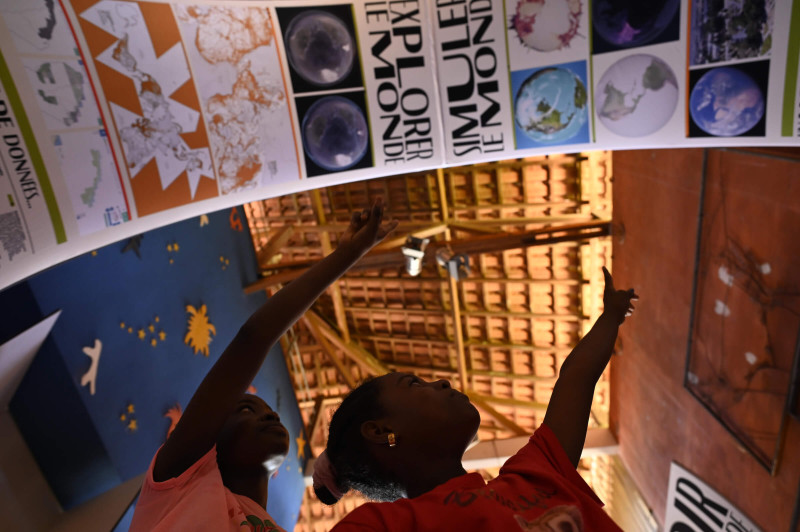
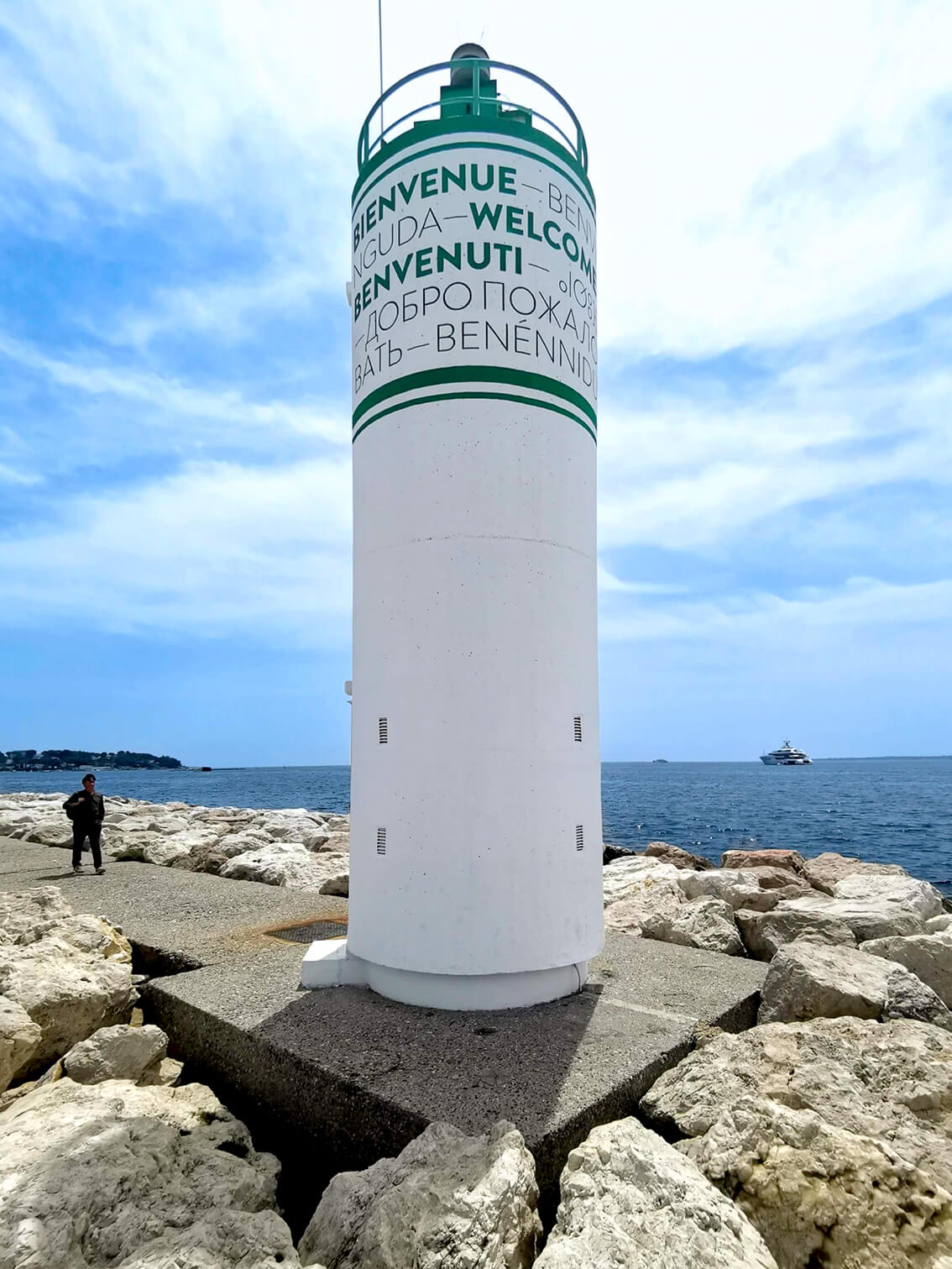
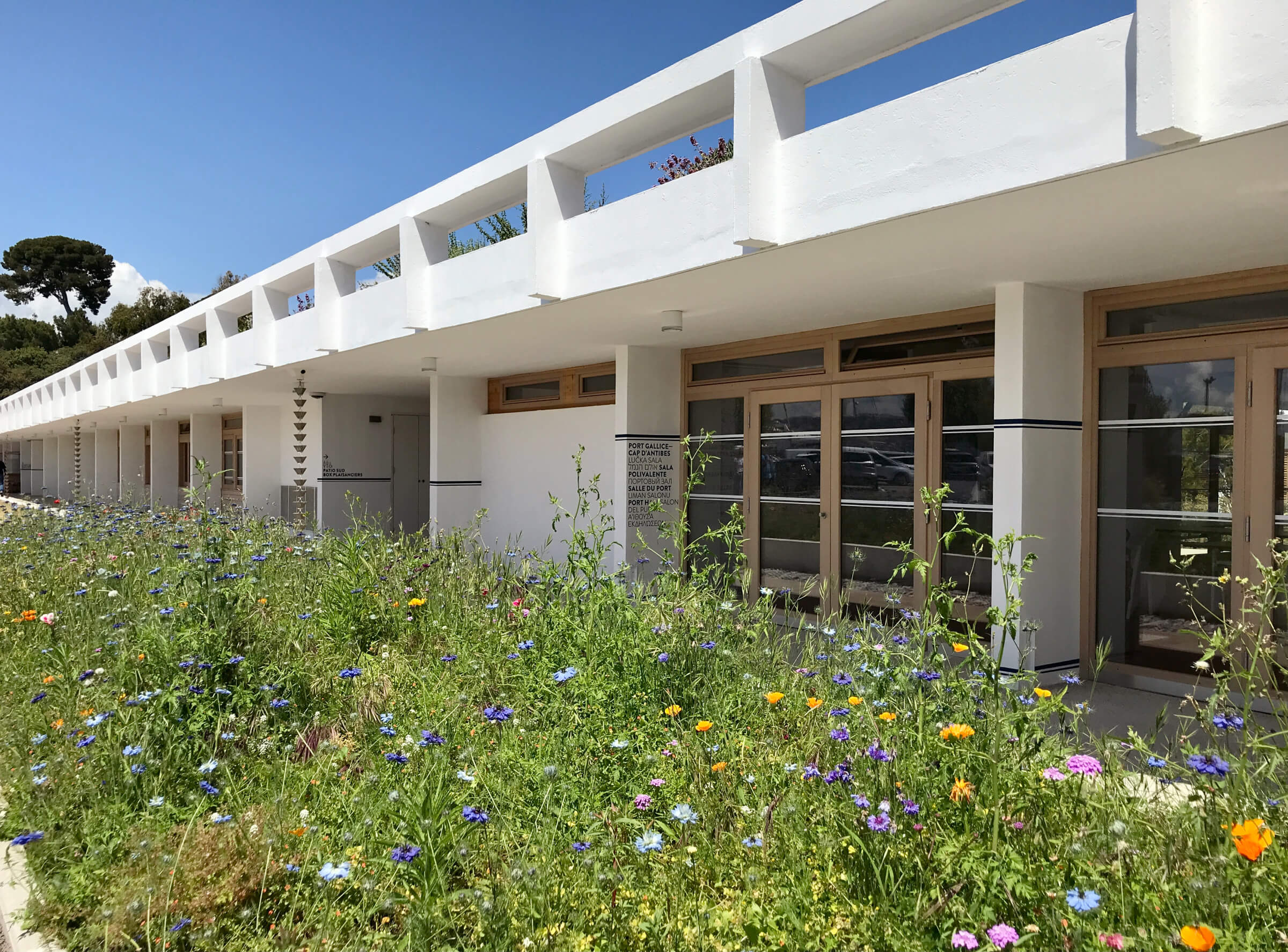
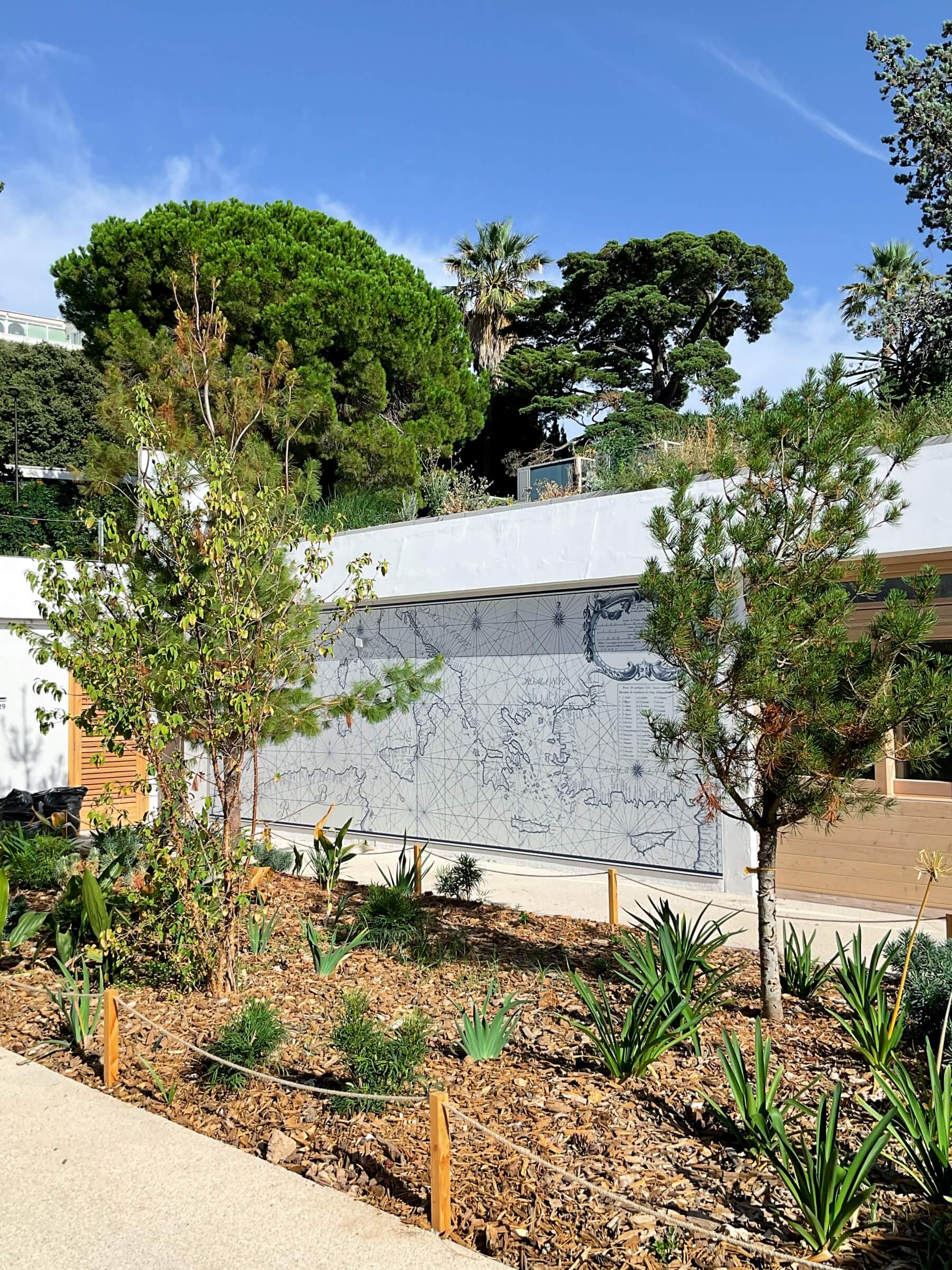
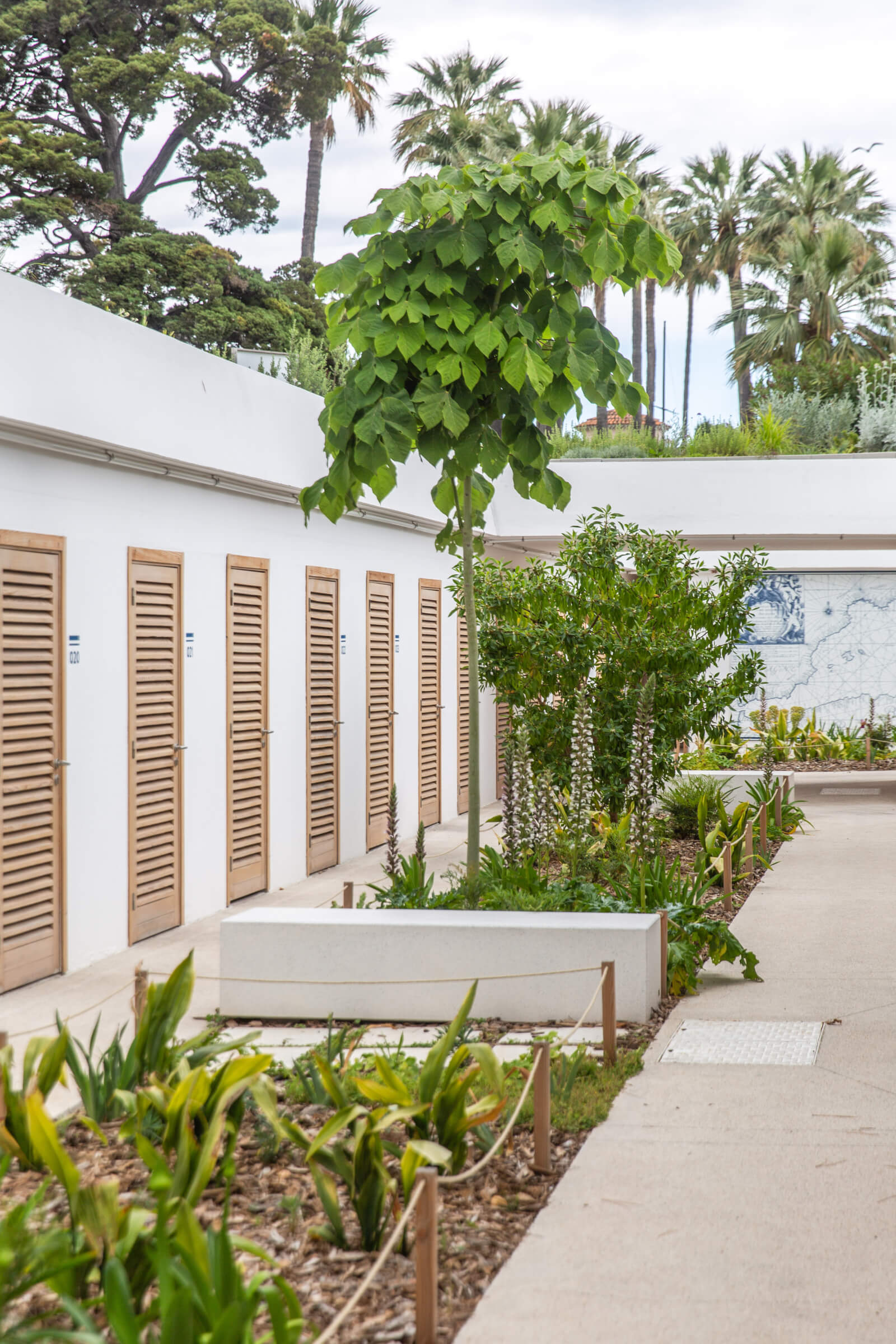
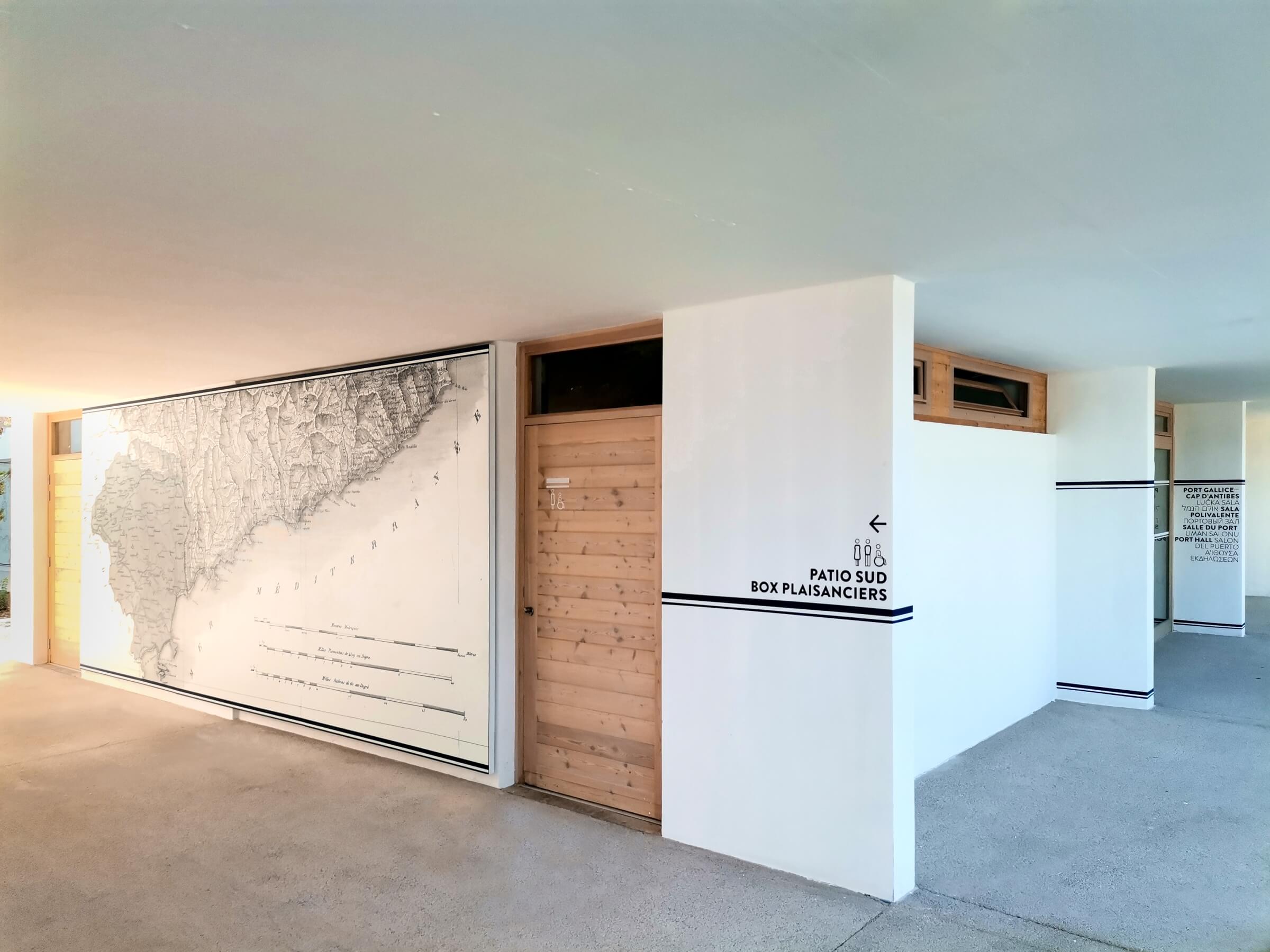
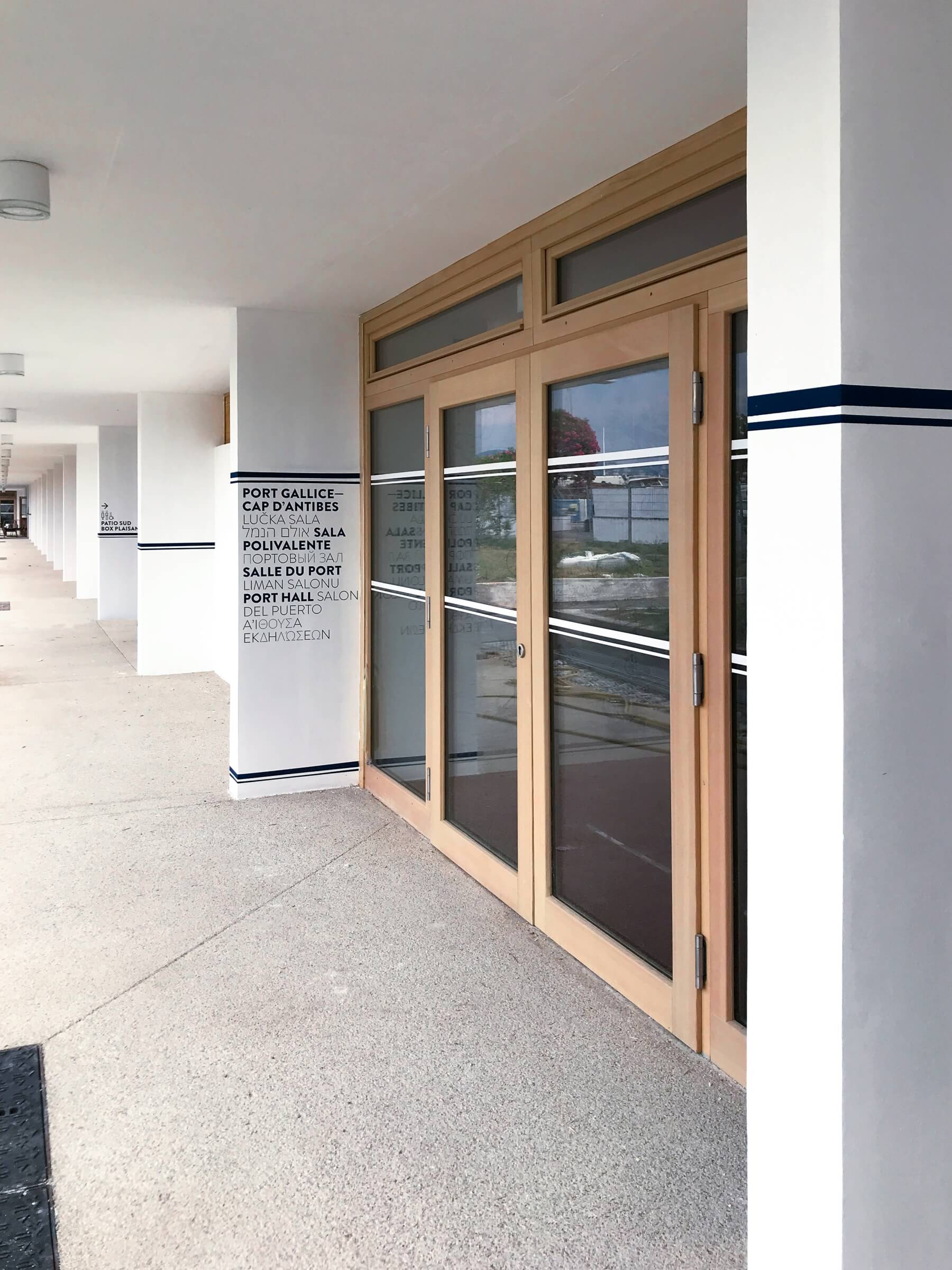
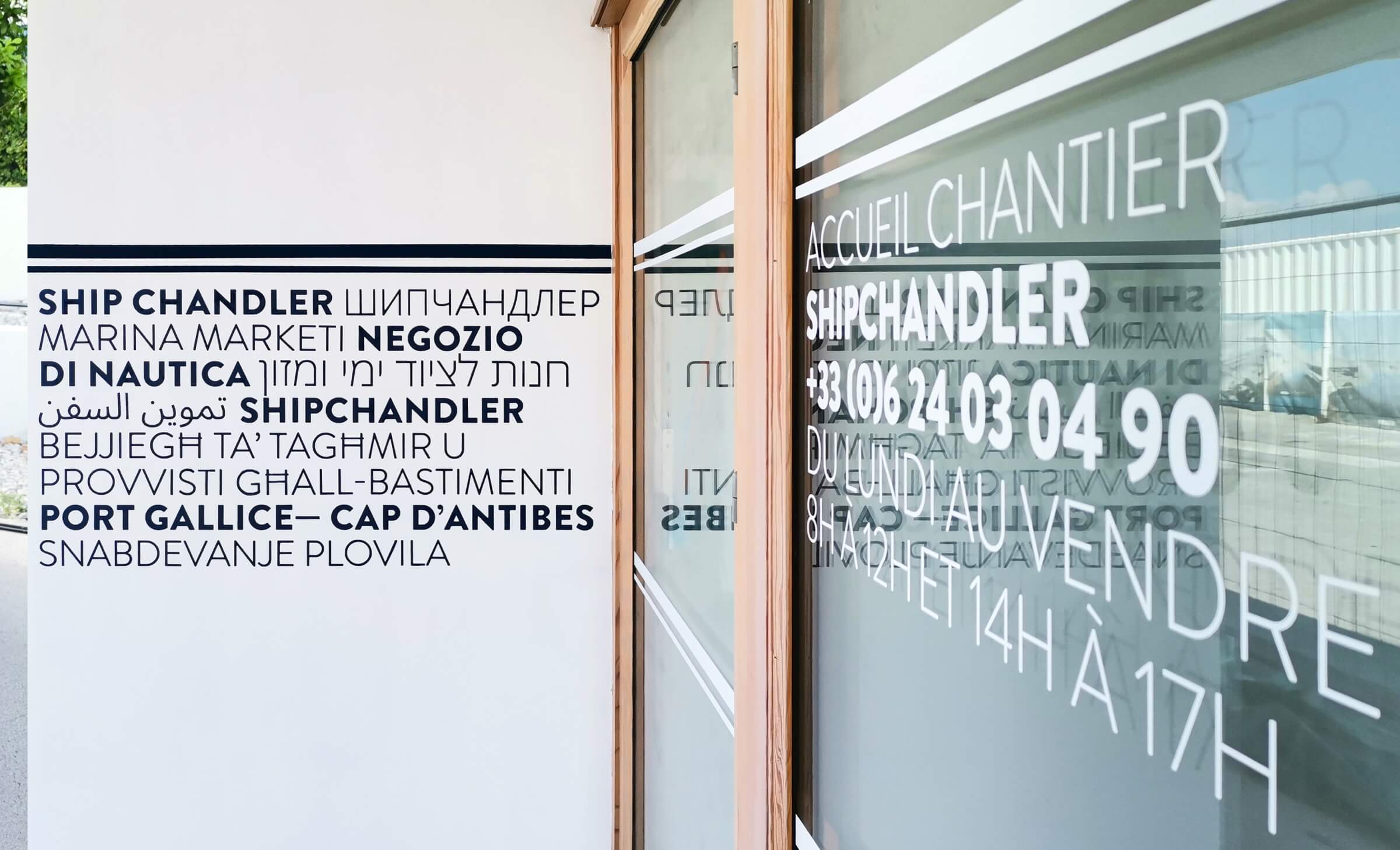
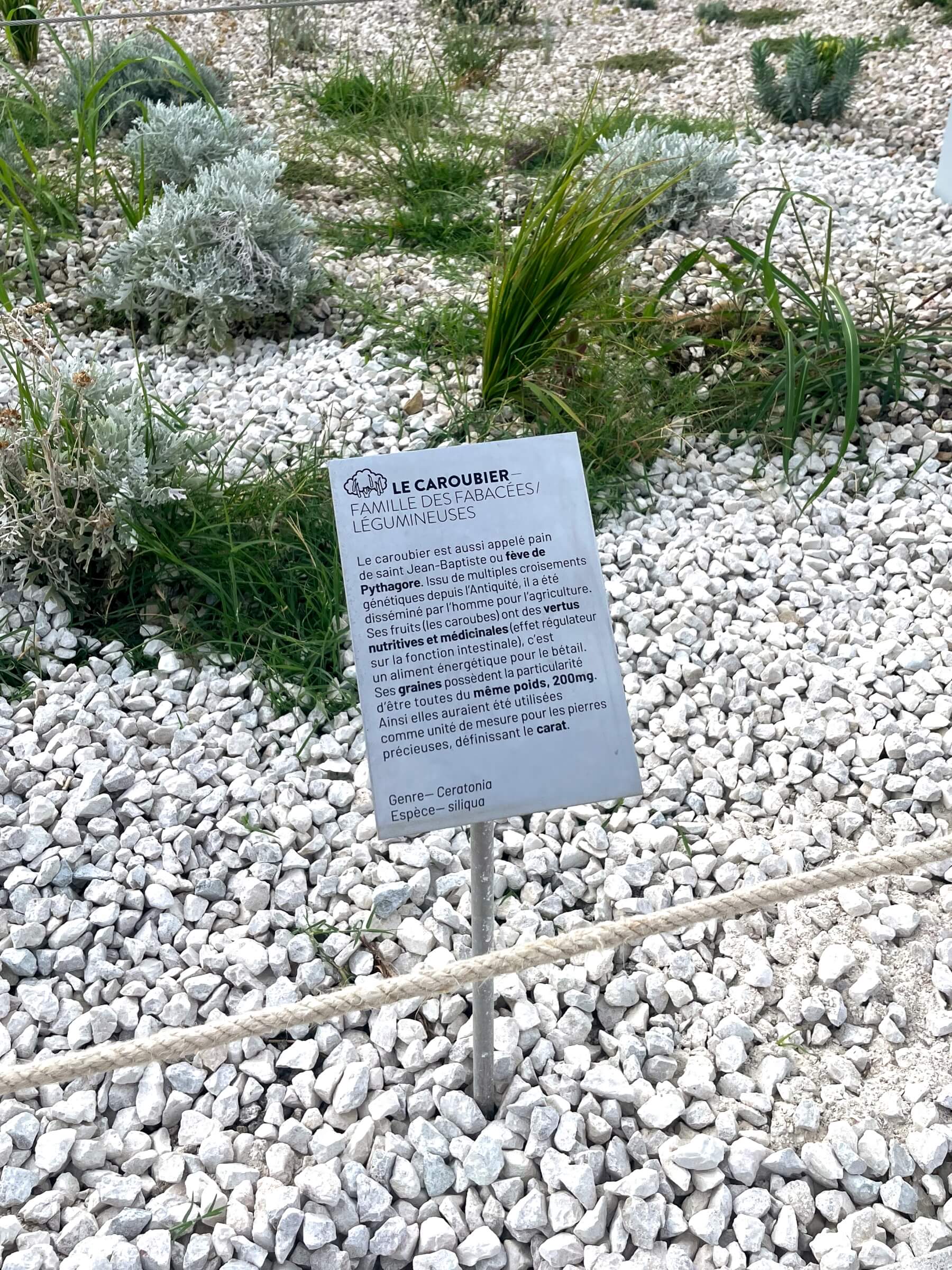
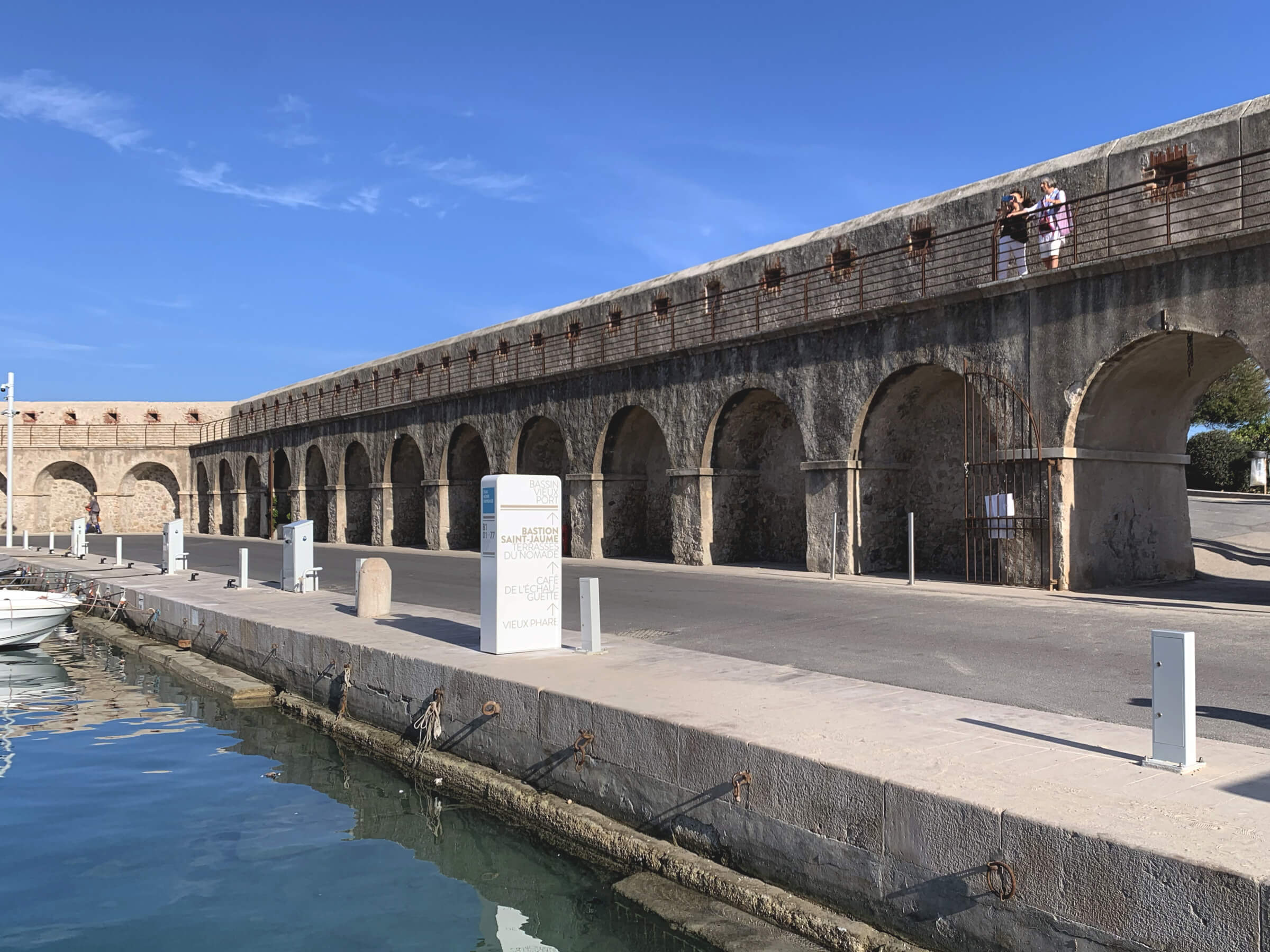
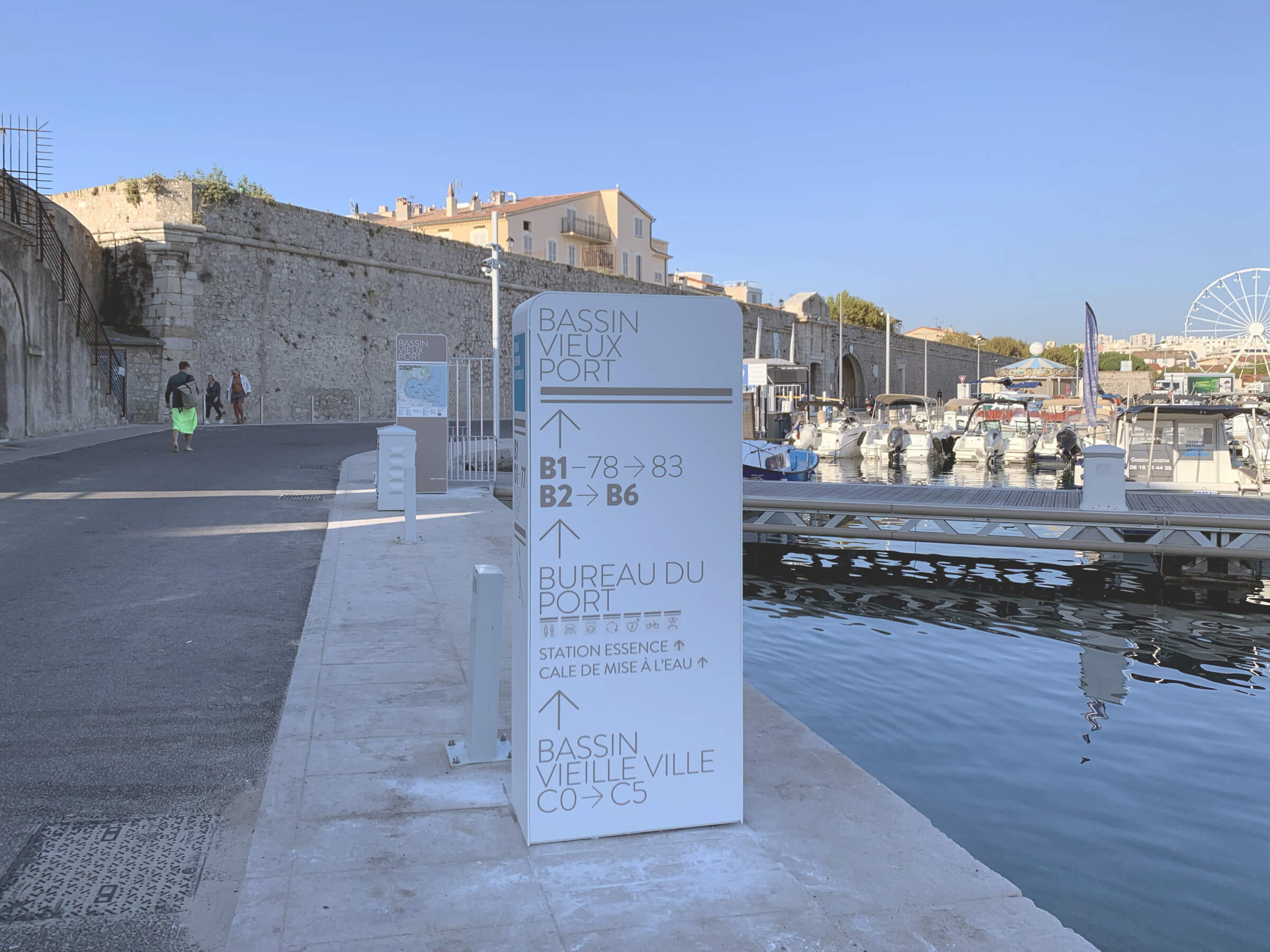
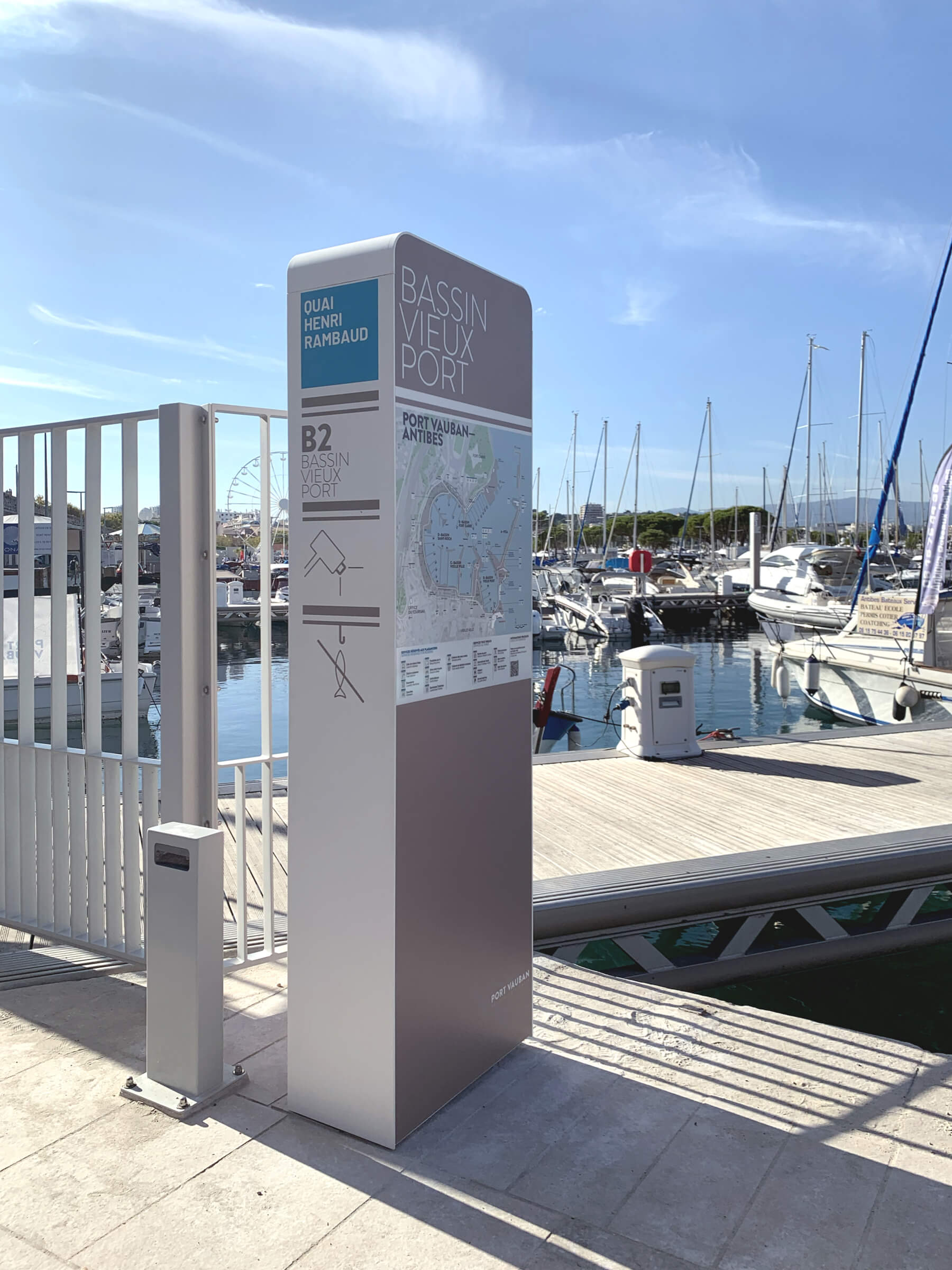
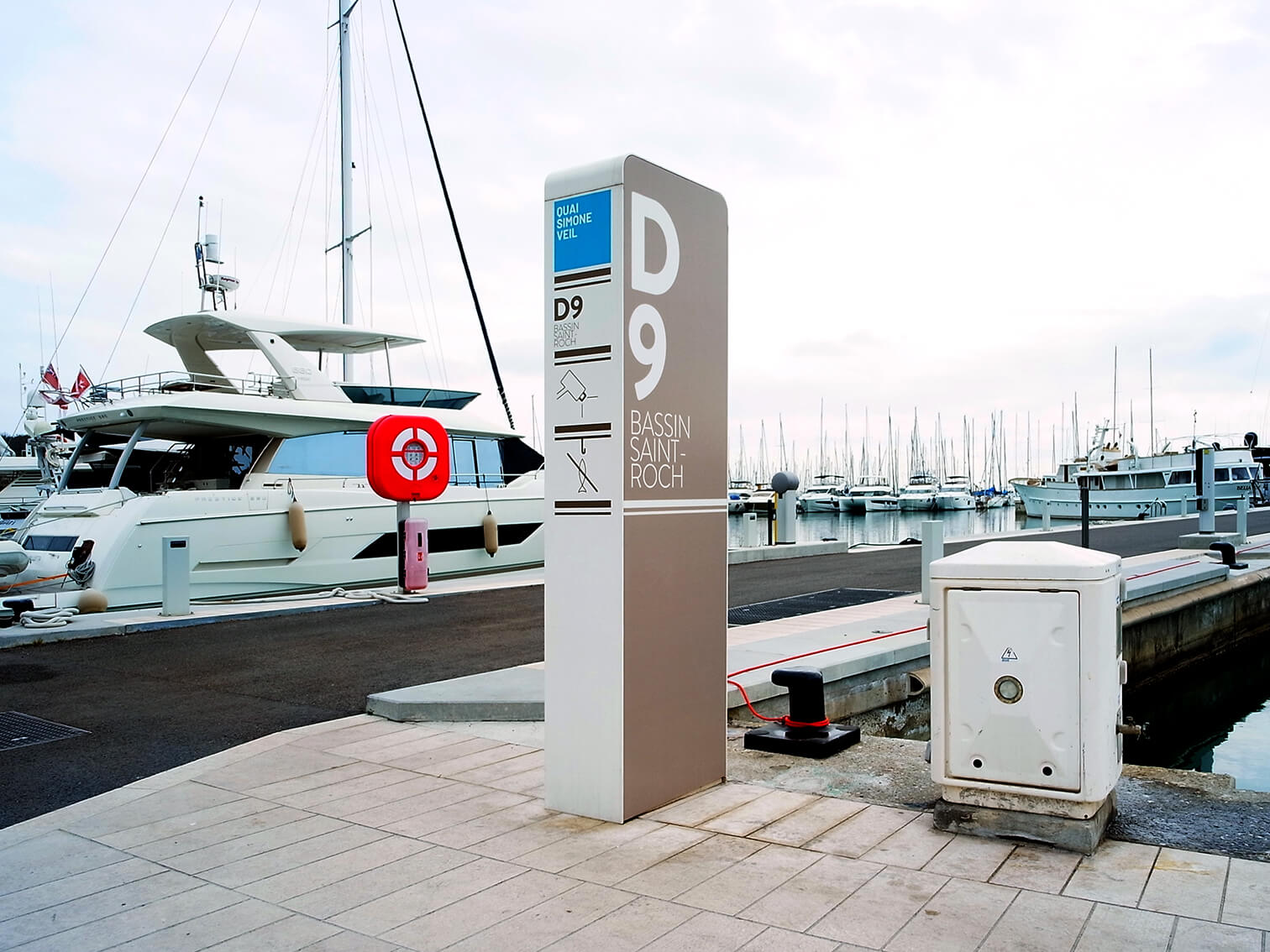
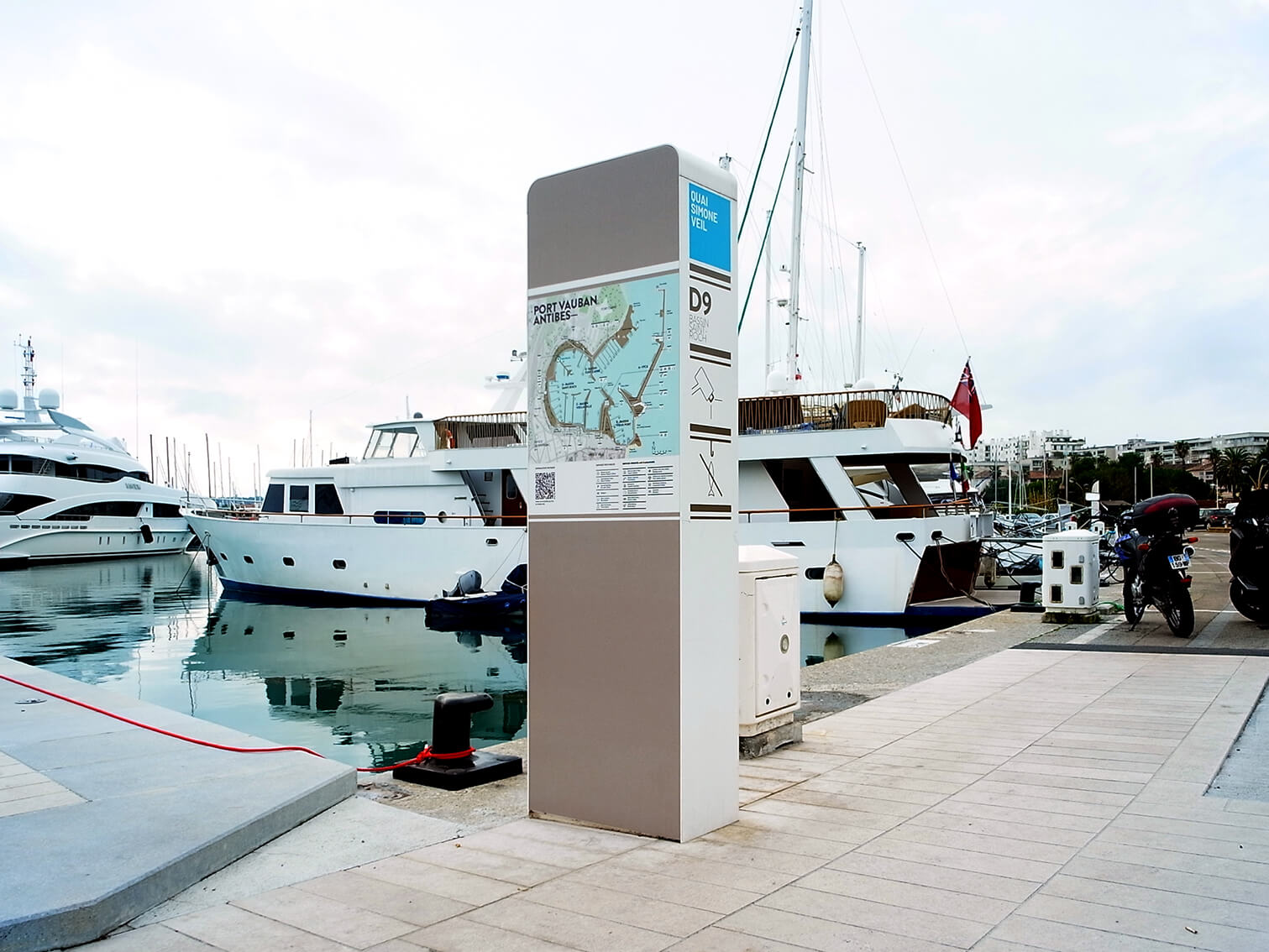
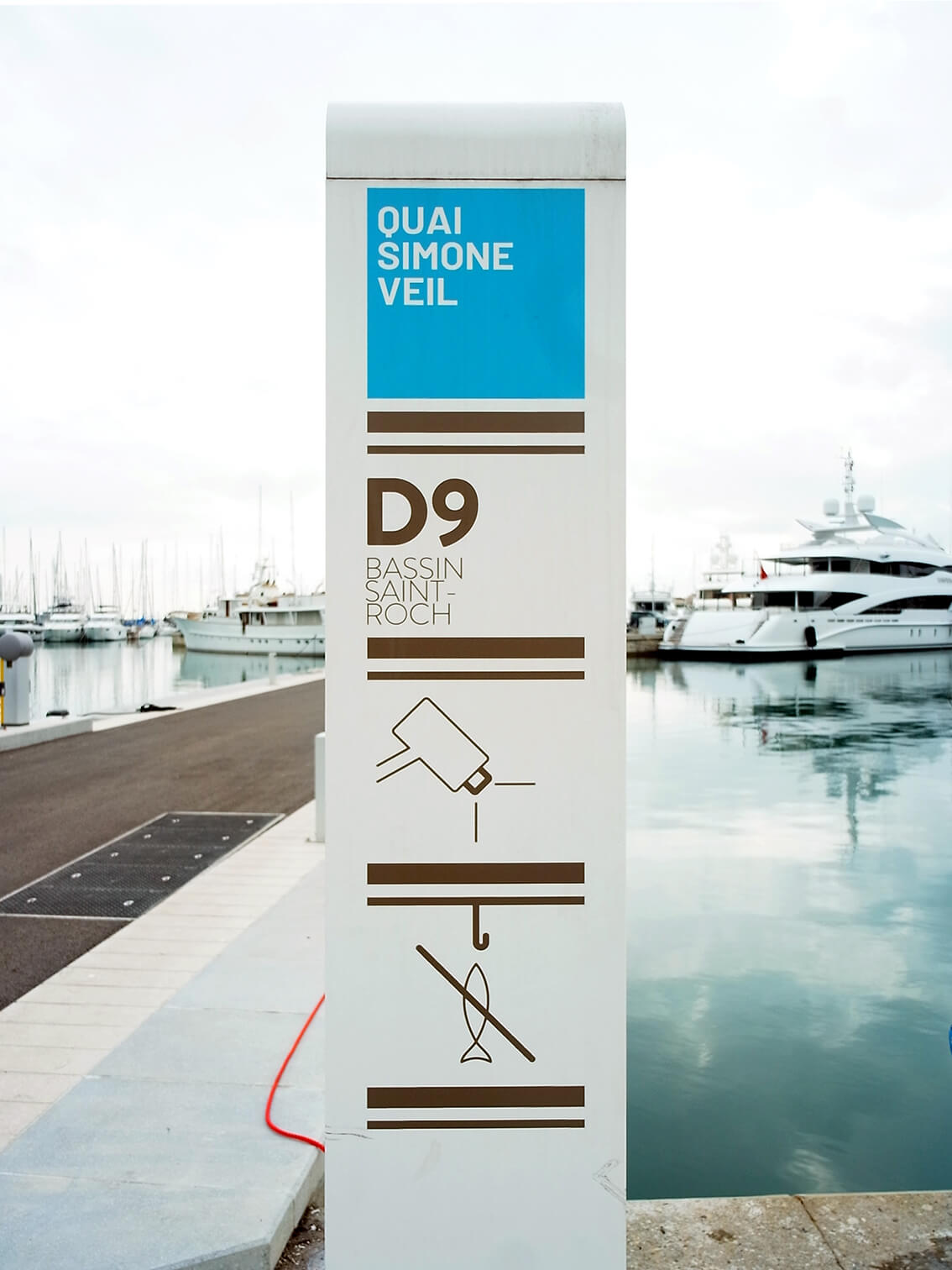
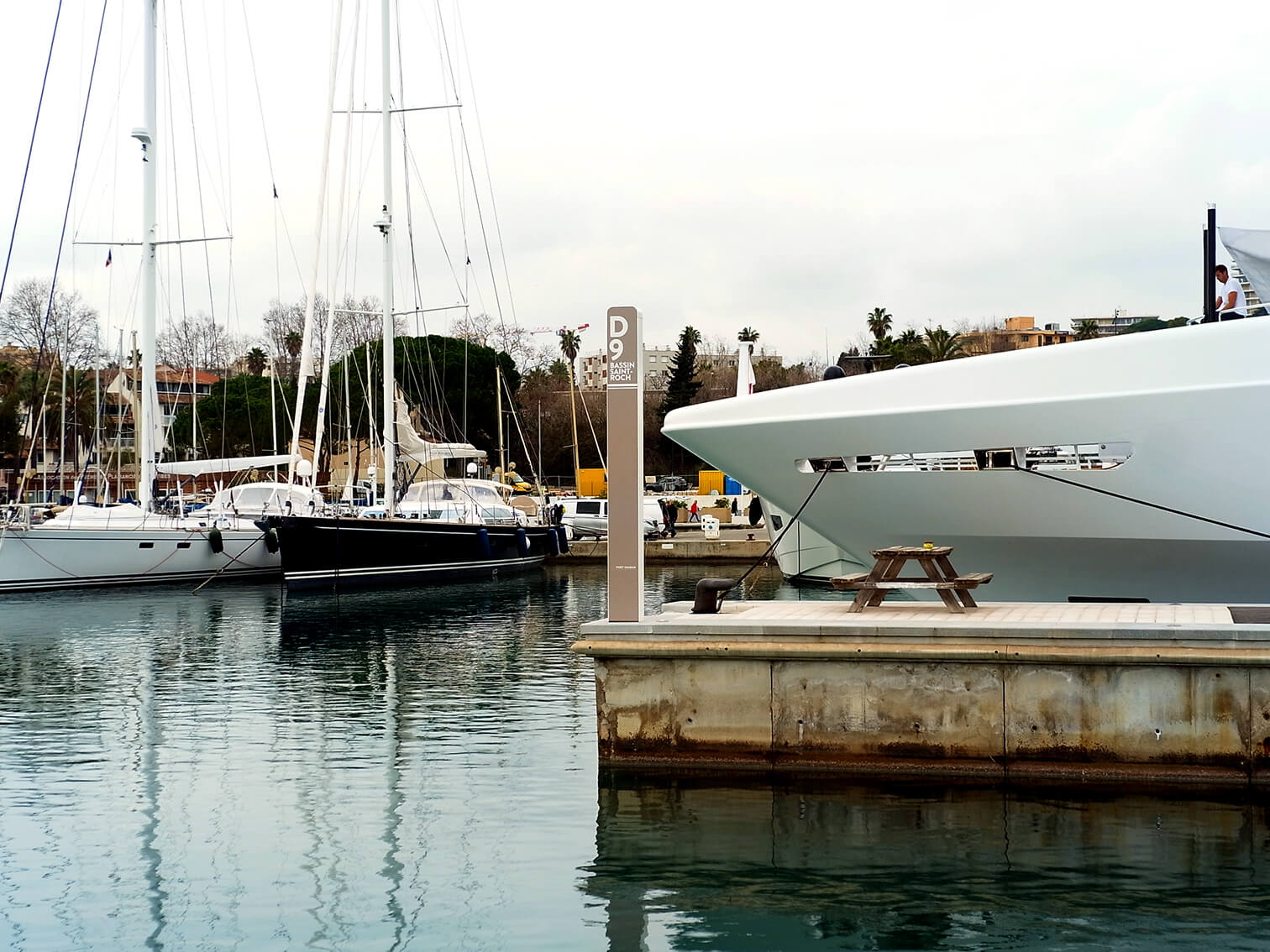
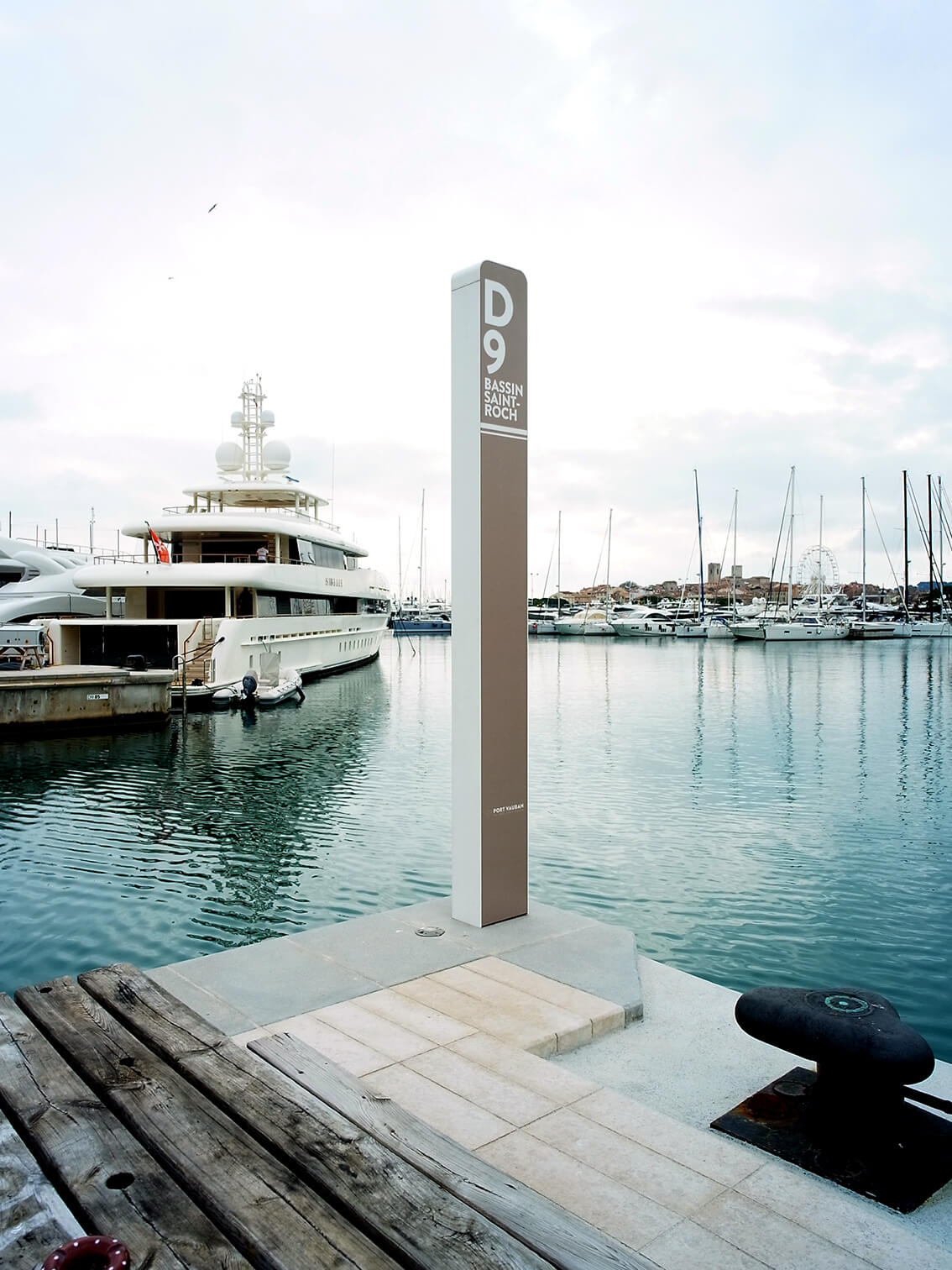
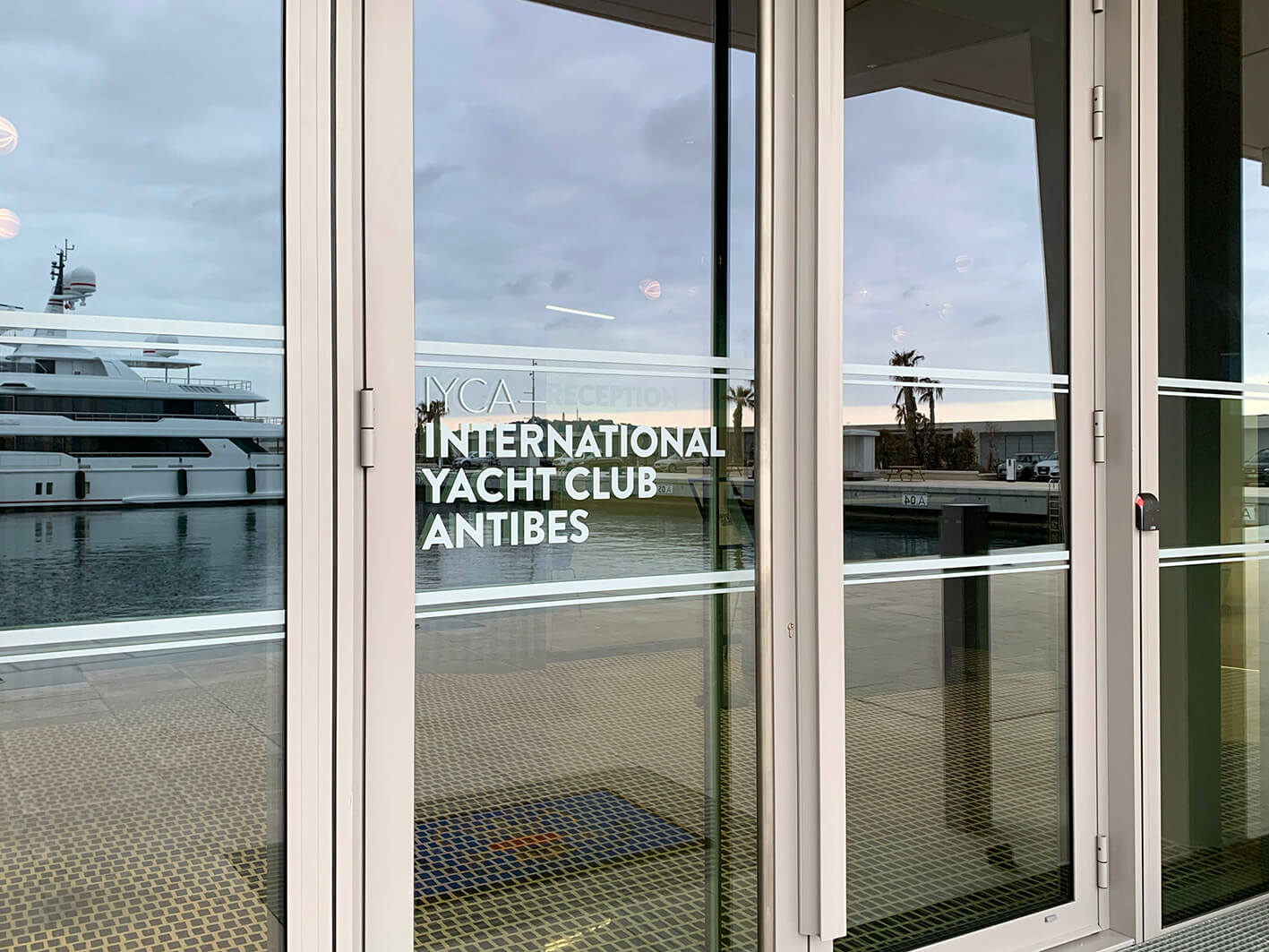
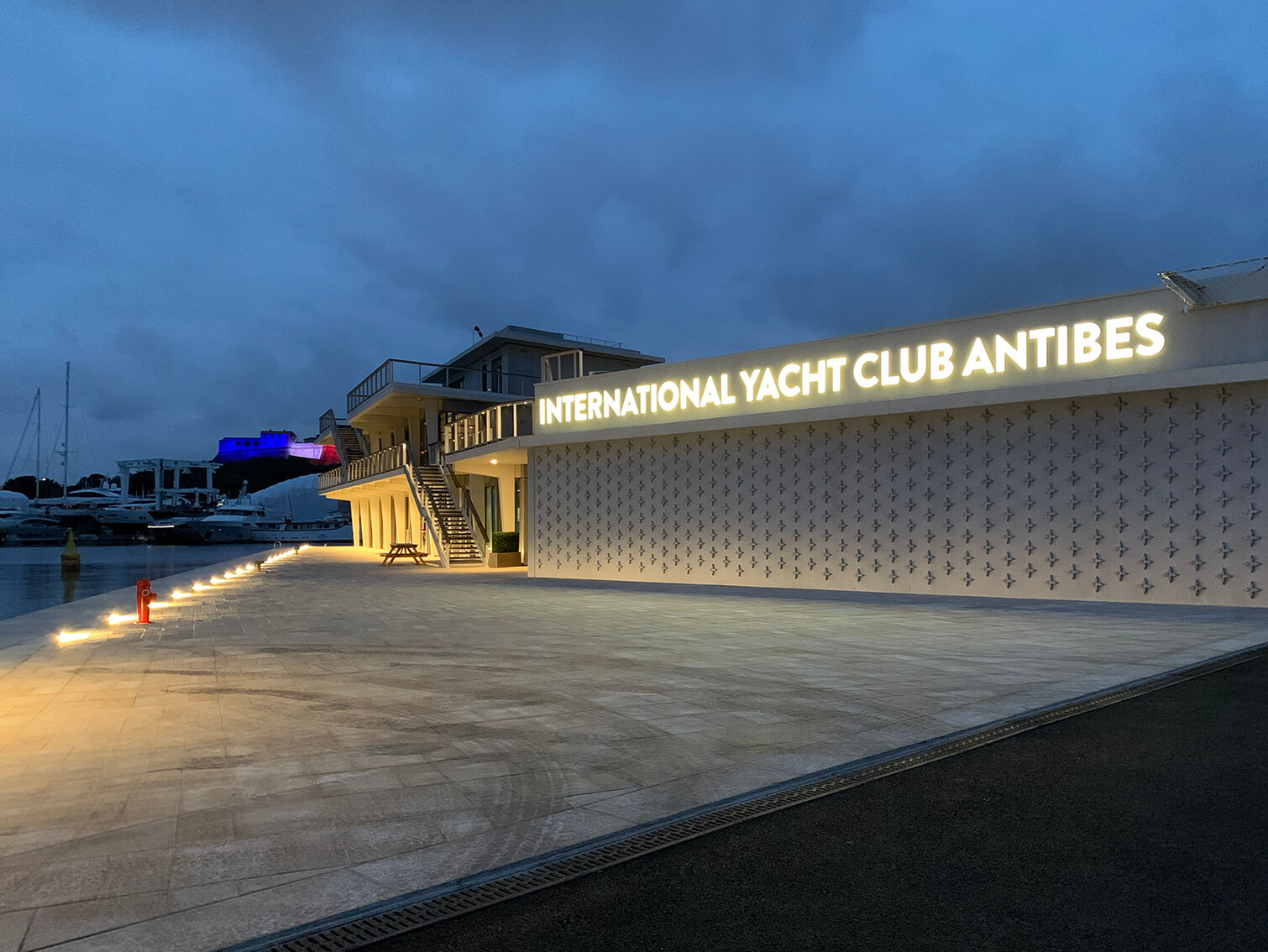
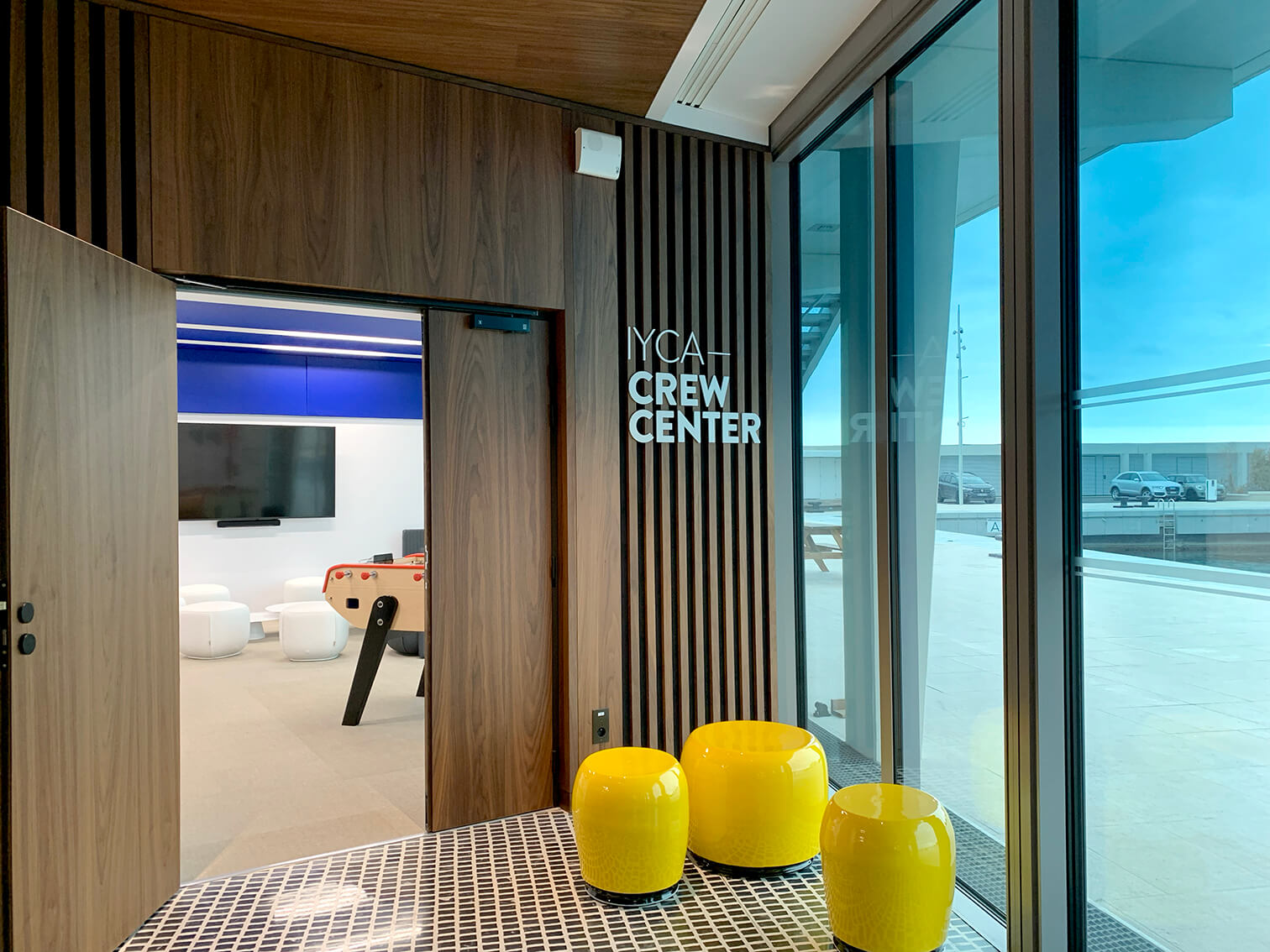
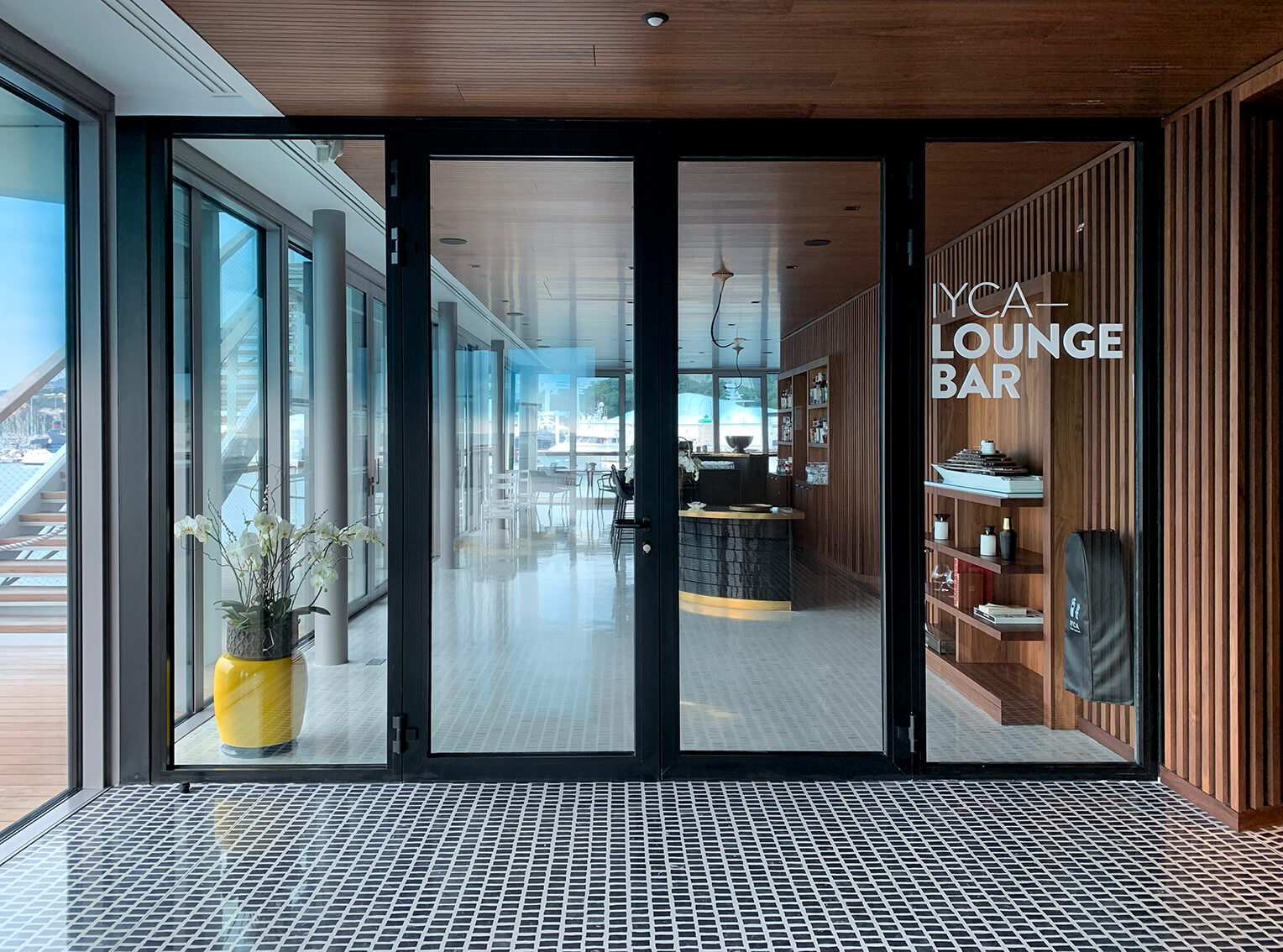
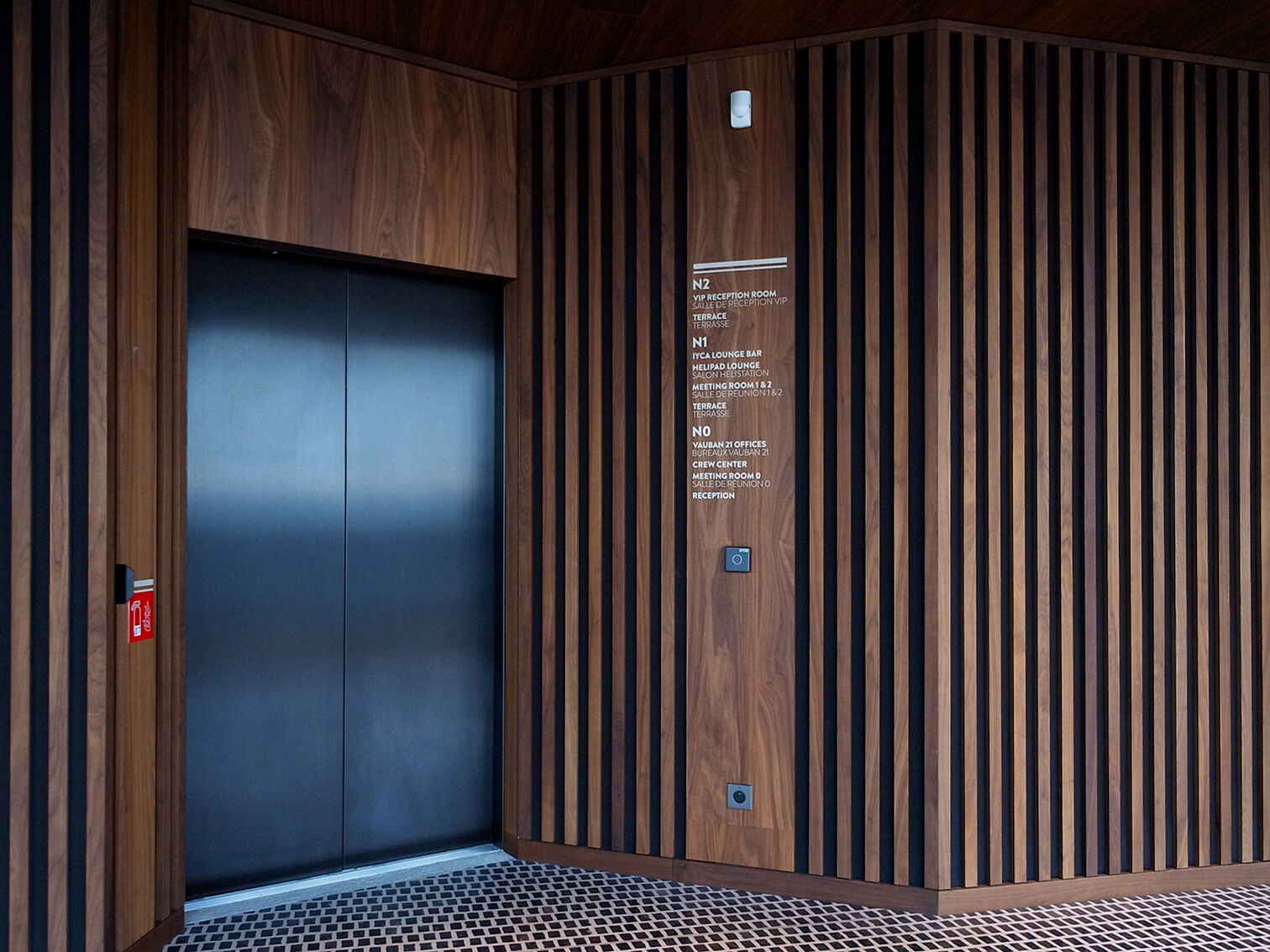
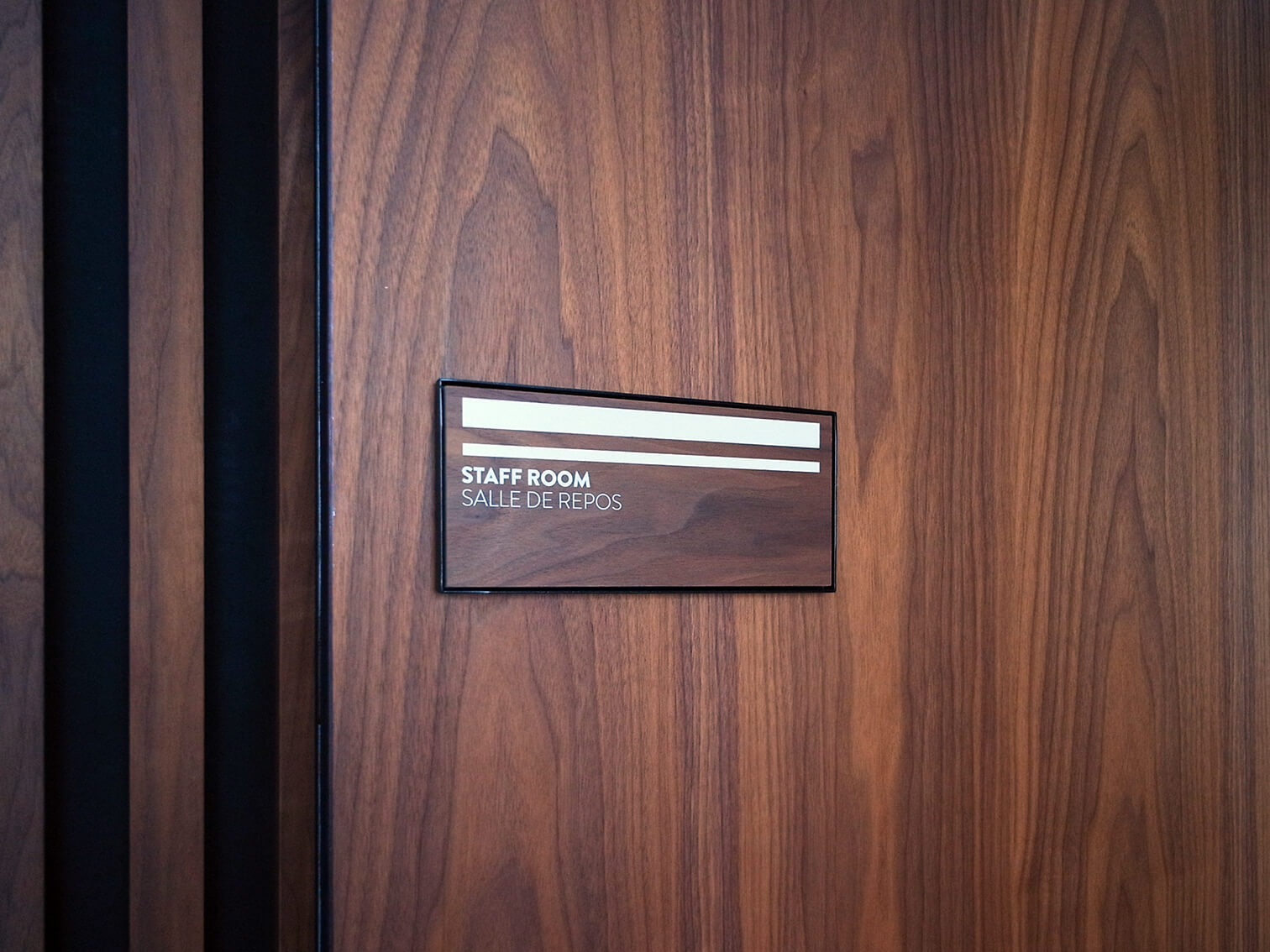
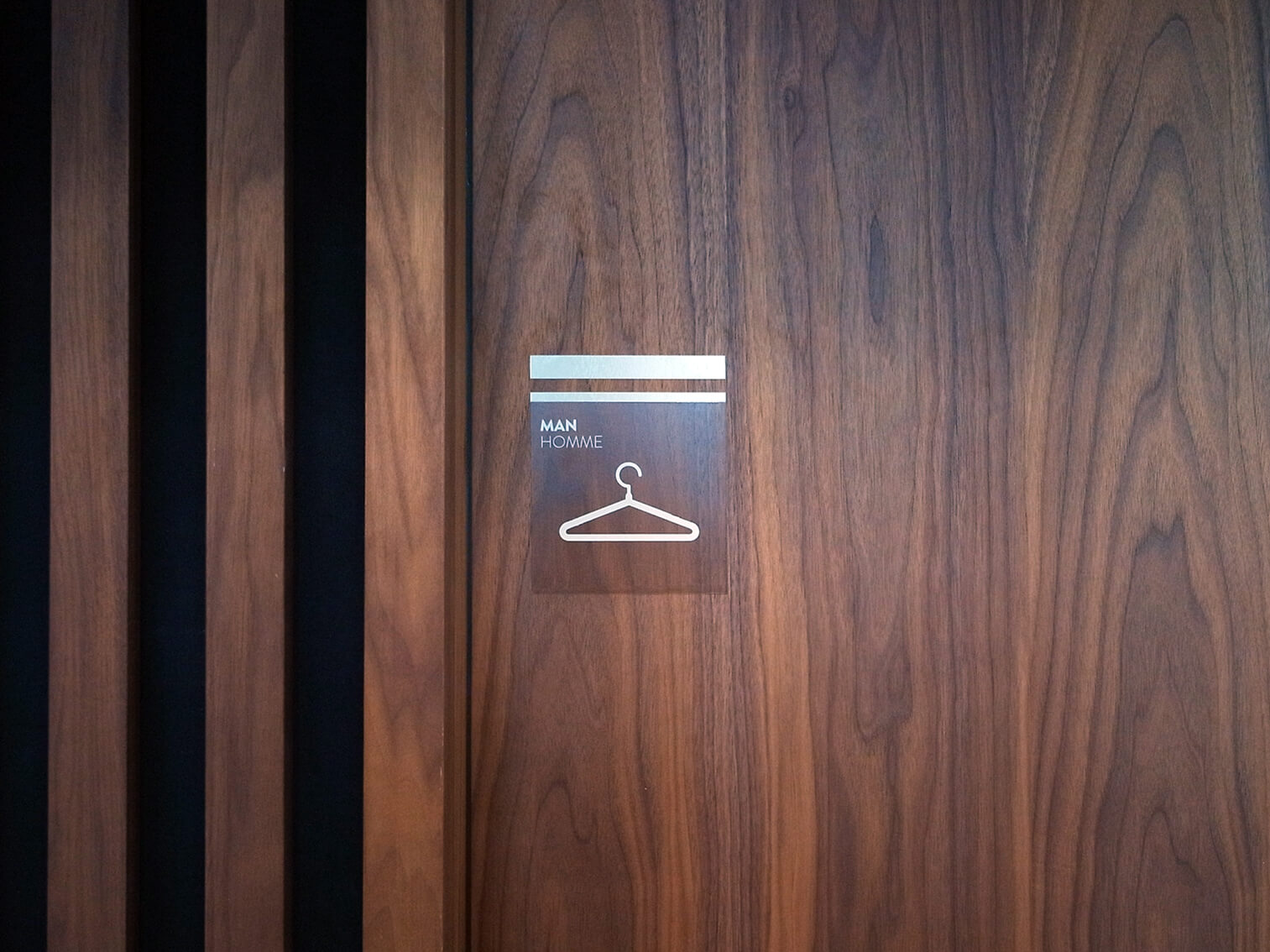
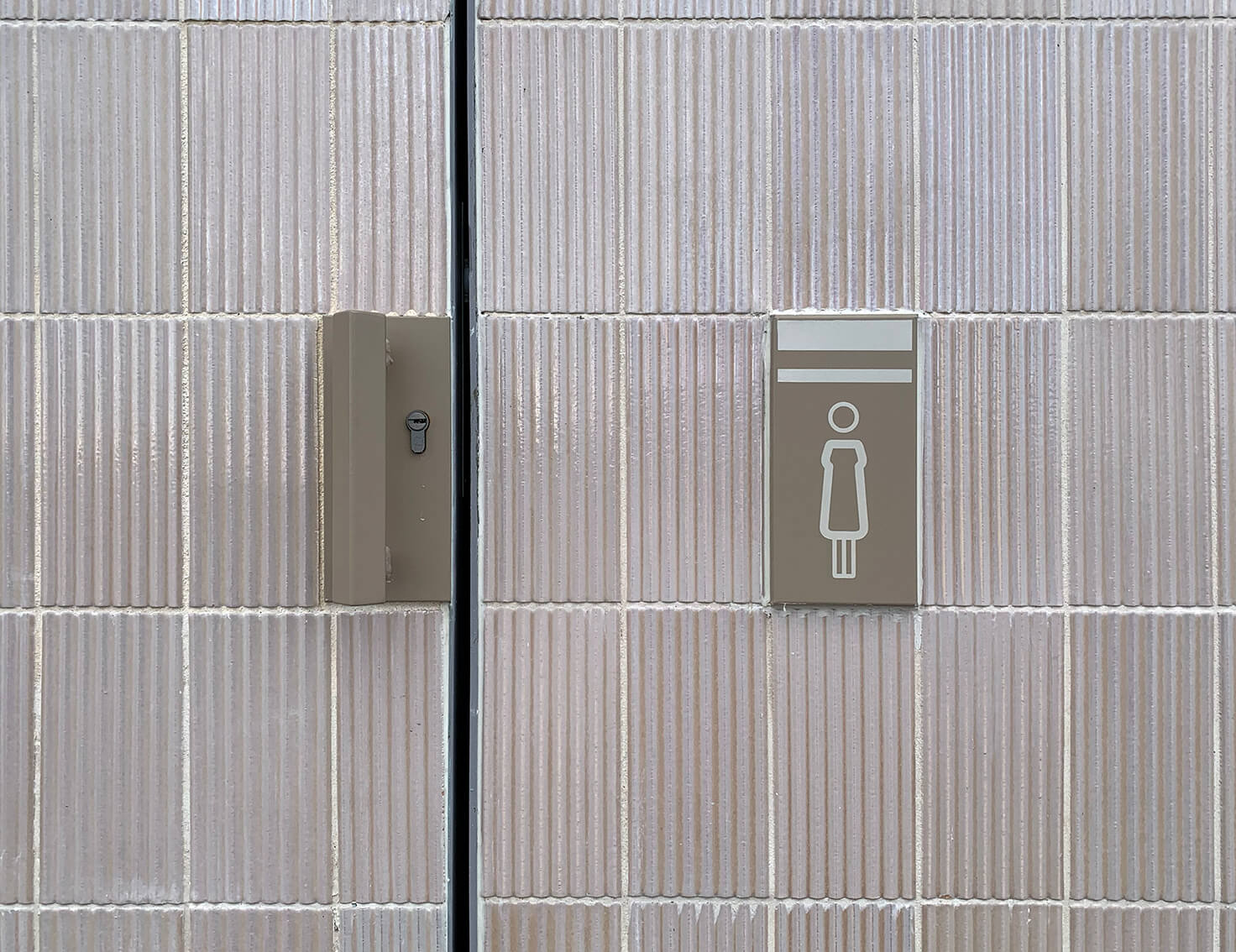
These two redevelopment projects are being carried out in parallel: one for Port Gallice and the other, more complex, for Port Vauban. Renovating and preserving the architectural heritage of these marinas, while transforming them into future-oriented facilities offering high-quality services, is at the heart of the architectural project. Working closely with the architects, the branding and signage design is based on developing elements common to both sites, while tailoring others to the specific characteristics of each. Following an initial analysis of the current toponymy, and with the aim of making the territory legible, it was necessary to restructure it in order to harmonize a stratification of successive additions and extensions over time. A contemporary typeface based on modernist type designs from the 1920s–1950s (vacations and resorts for all), used in uppercase letters, was chosen; a family of pictograms designed in harmony with the Brandon typeface further defines the visual language. Graphic elements drawn from the world of nautical charts—grids, cartouches, legends, etc.—enrich the visual language. For colors, white derived from Gillet’s architecture and a very dark blue borrowed from the marine world for Gallice, along with a range of warm gray/beige tones for Port Vauban drawing on the historical context (Fort Carré, Bastion Saint-Jaume, Old Antibes), were selected. While the signage effectively fulfills its primary role of wayfinding, we propose to enhance it with a second layer of information that is atmospheric, unique, and contextualized. This second layer offers a connection to other parts of the Mediterranean through poetry, nautical charts, and typographic compositions using the languages and scripts found around the Mediterranean basin, thereby creating points of encounter and an imaginary world of geographical and temporal travel.
Design Team — Ruedi Baur, Chantal Grossen, David Thoumazeau, Olivier Duzelier, and Maren Hollmann
Architect — Philippe Prost Architecture Studio