since 2014
Universal access signage series
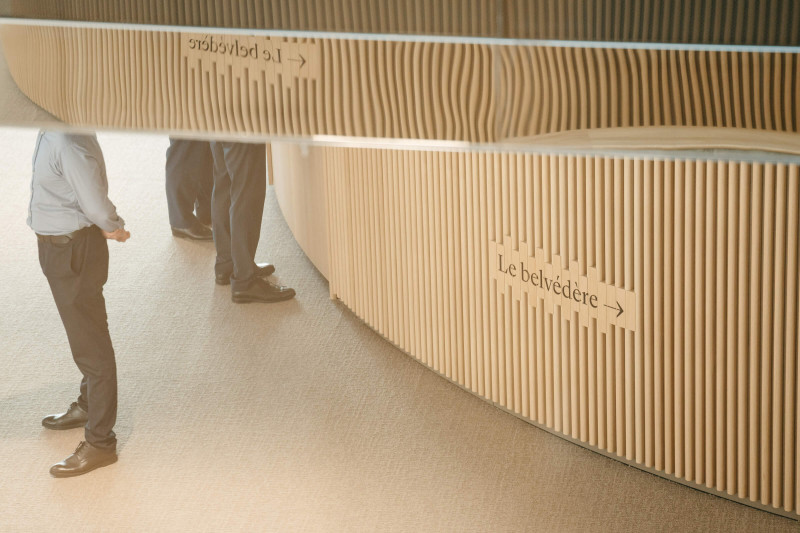
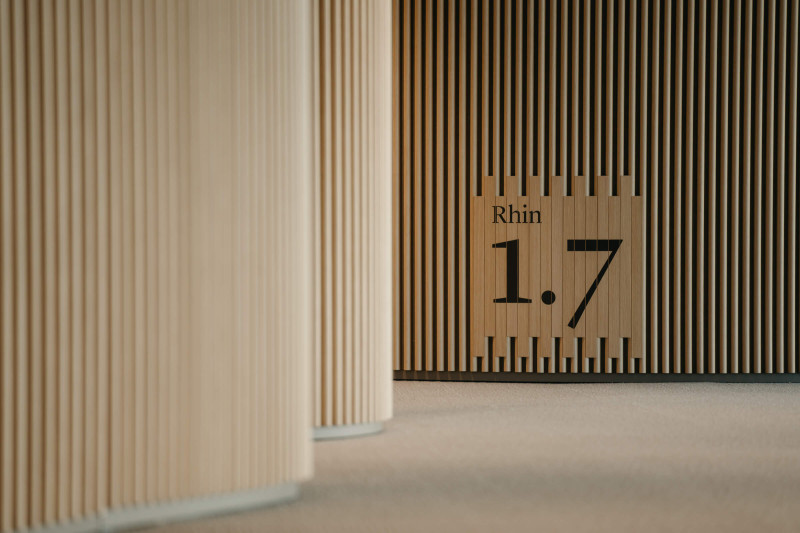
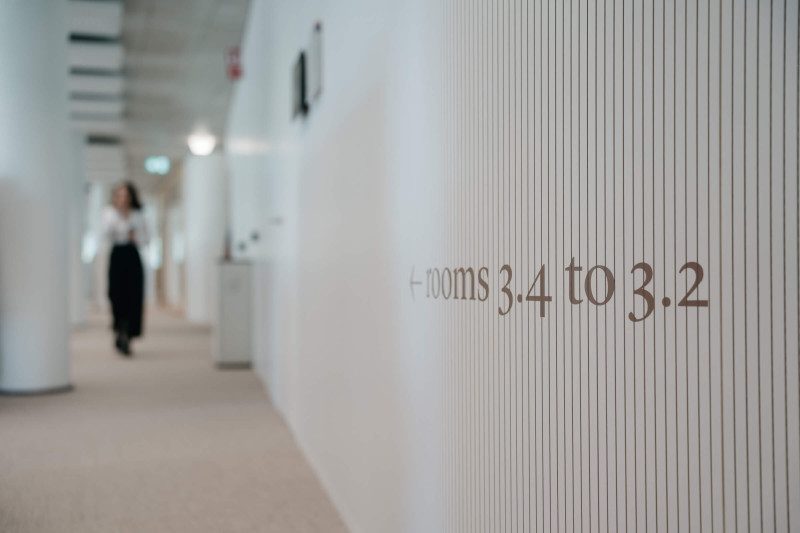
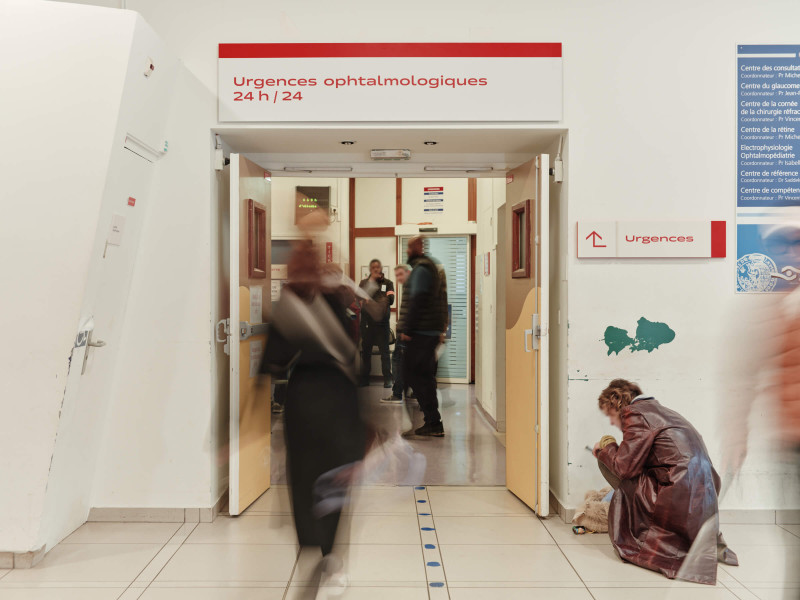
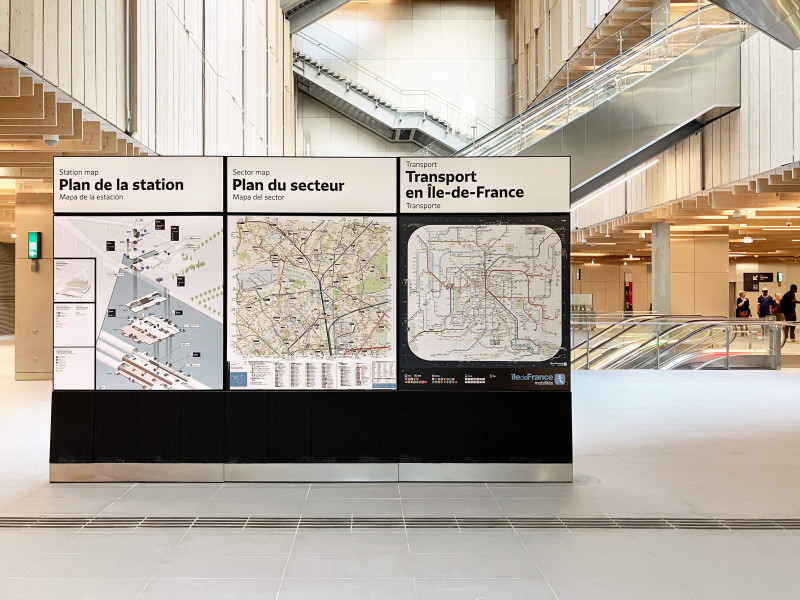
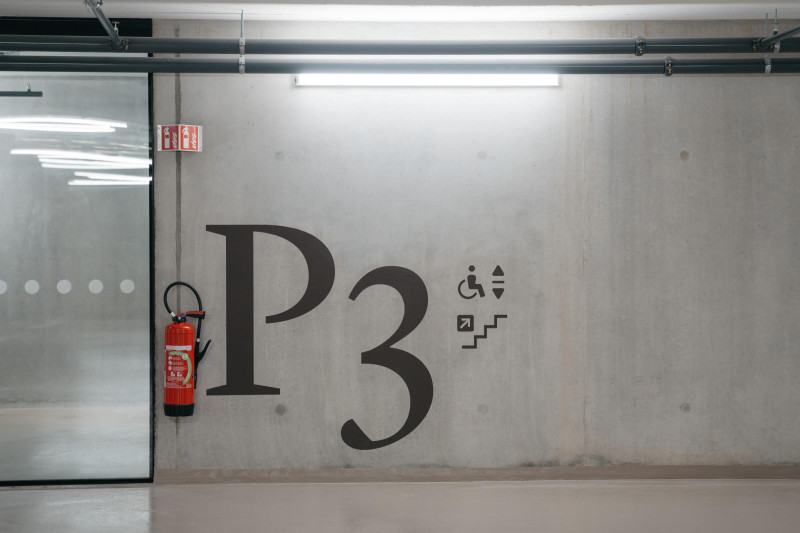
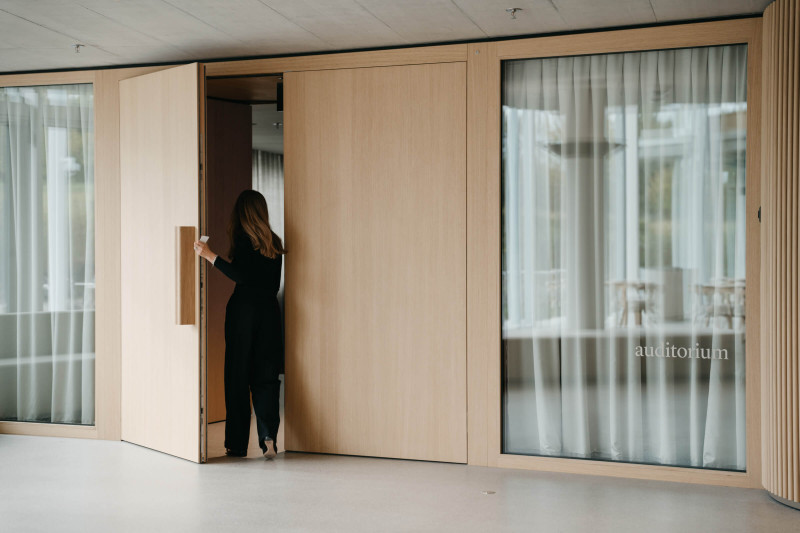
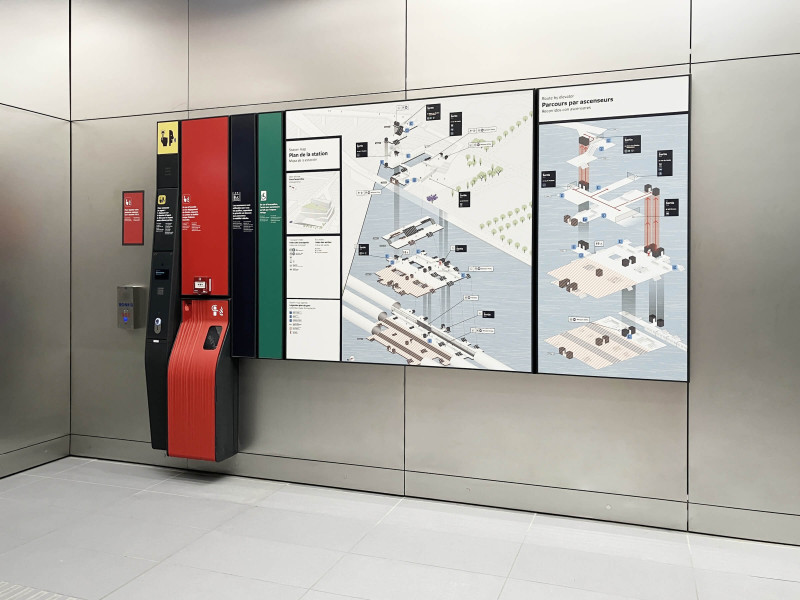
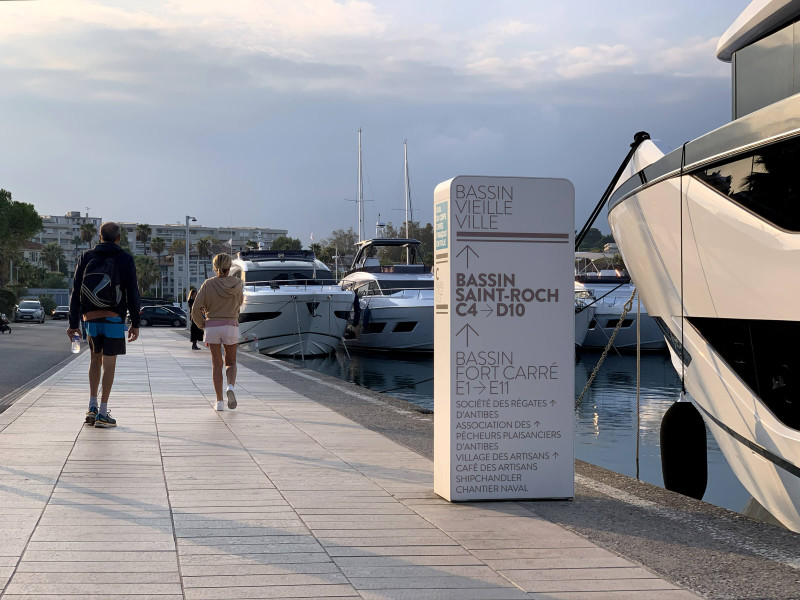
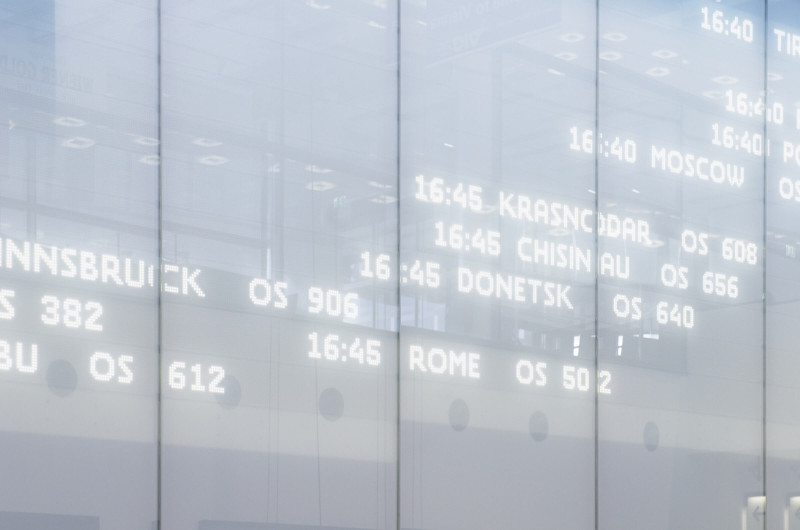
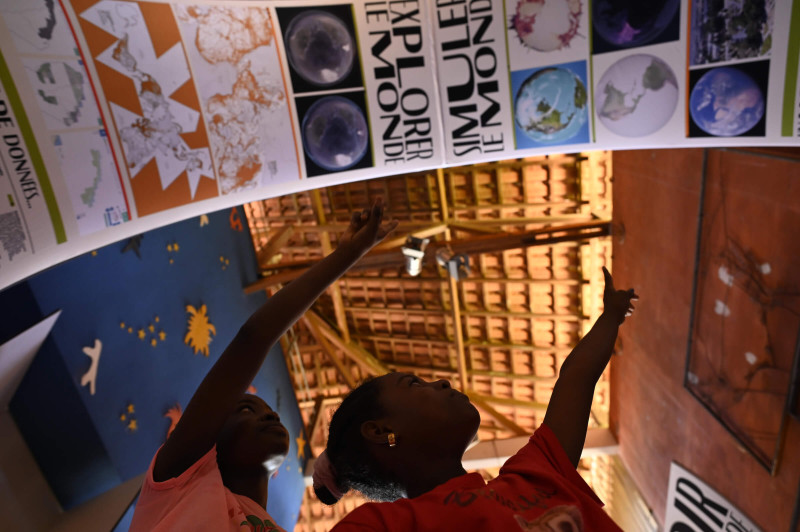
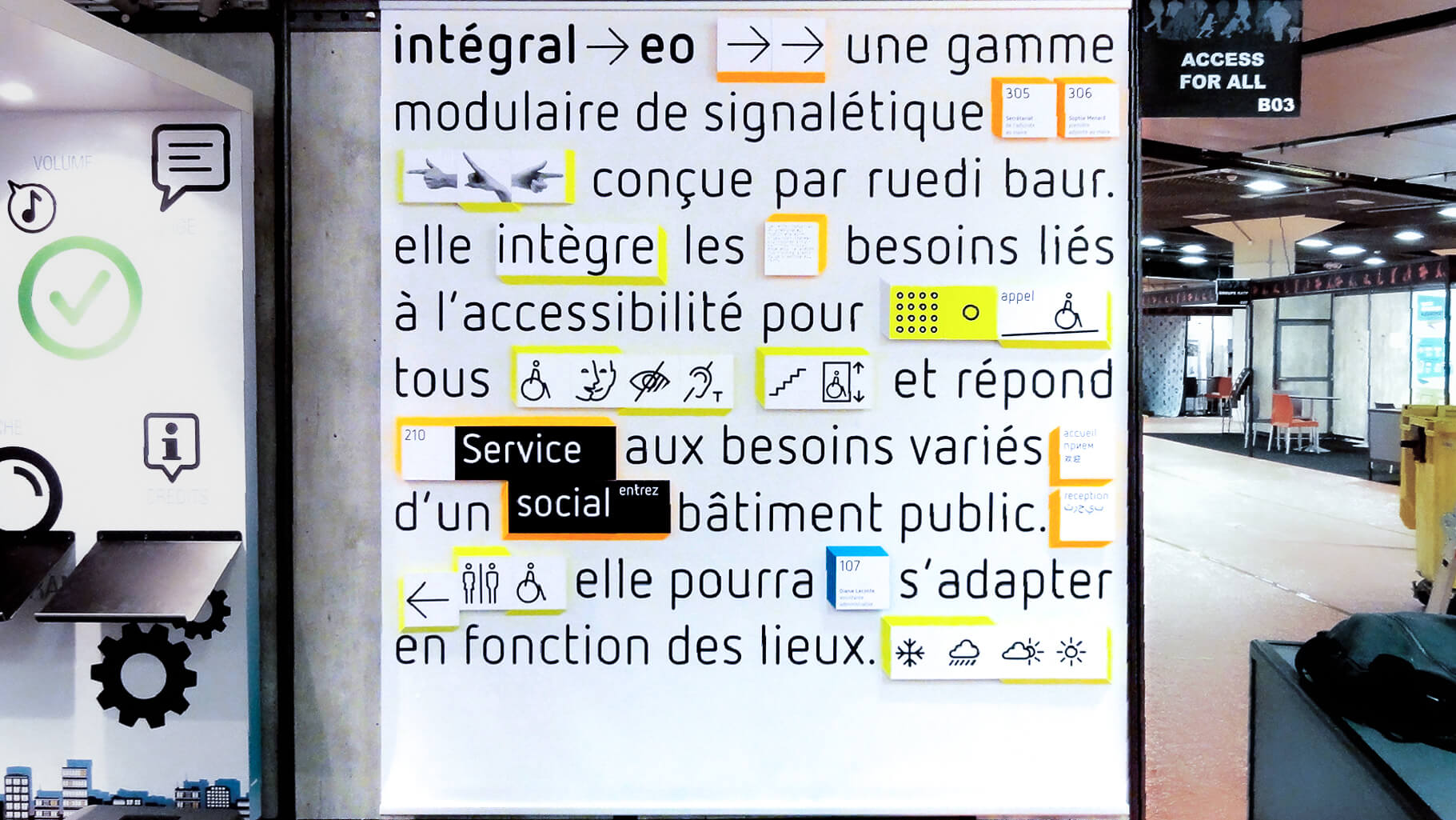
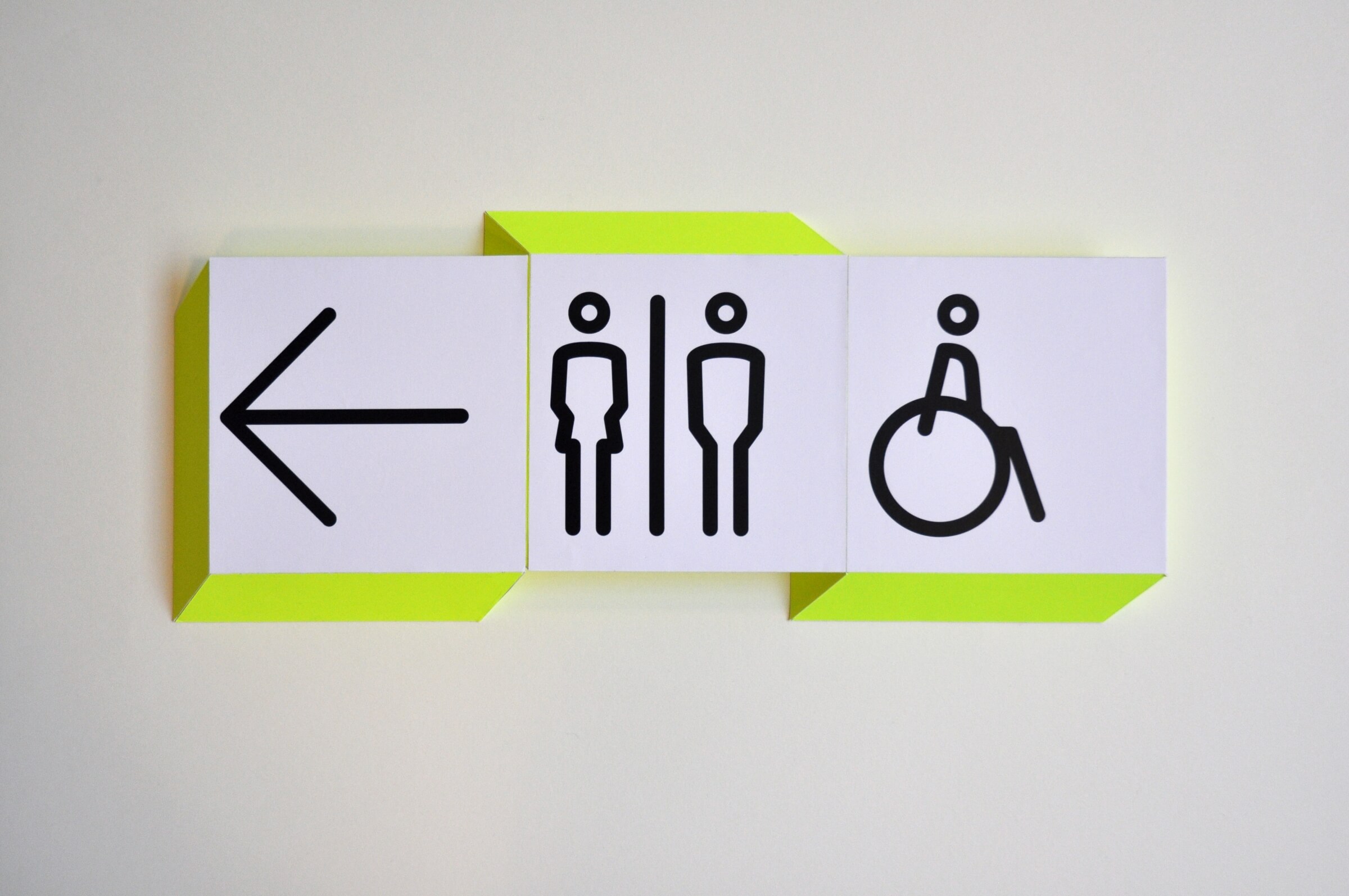
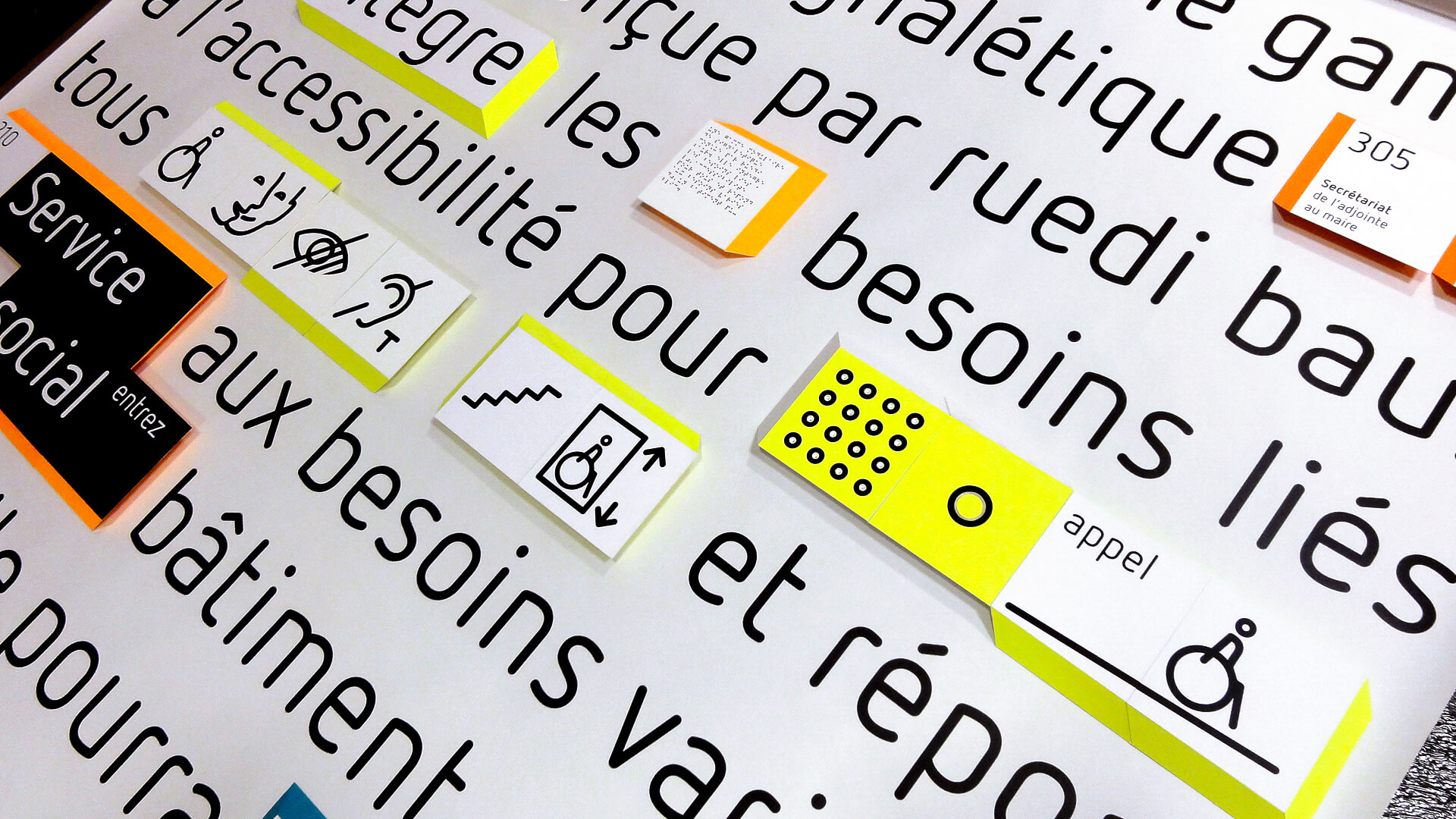
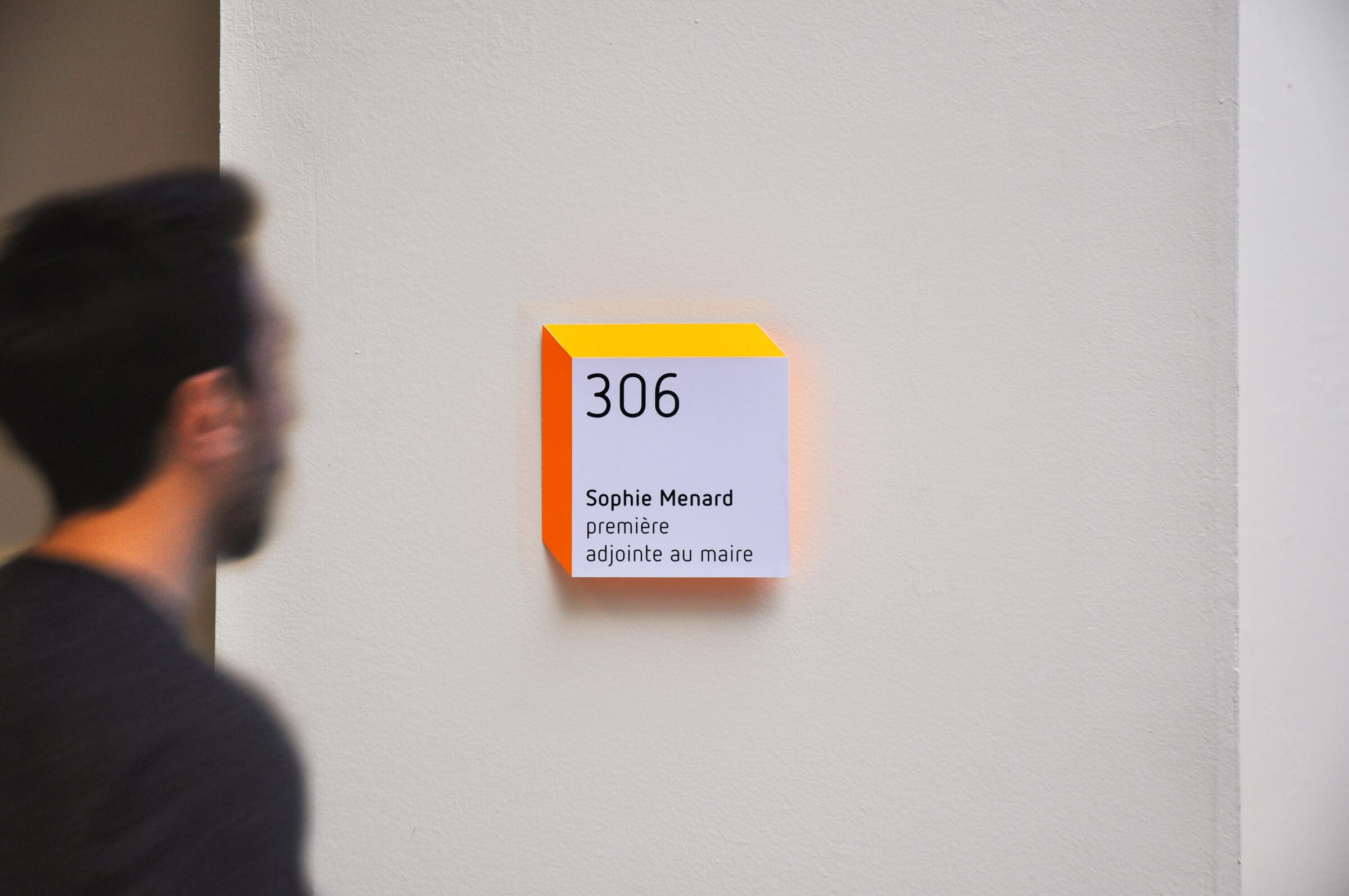
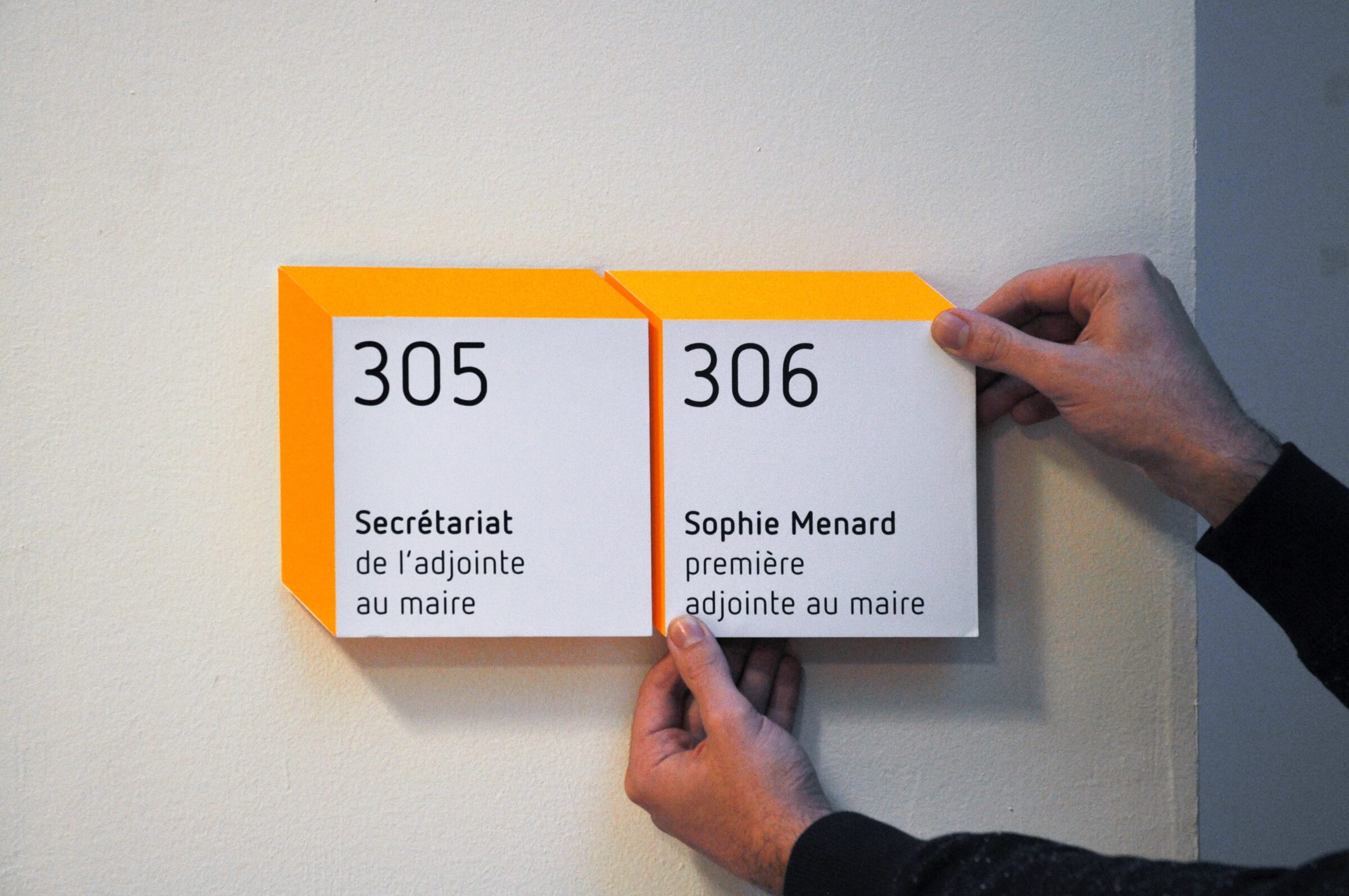
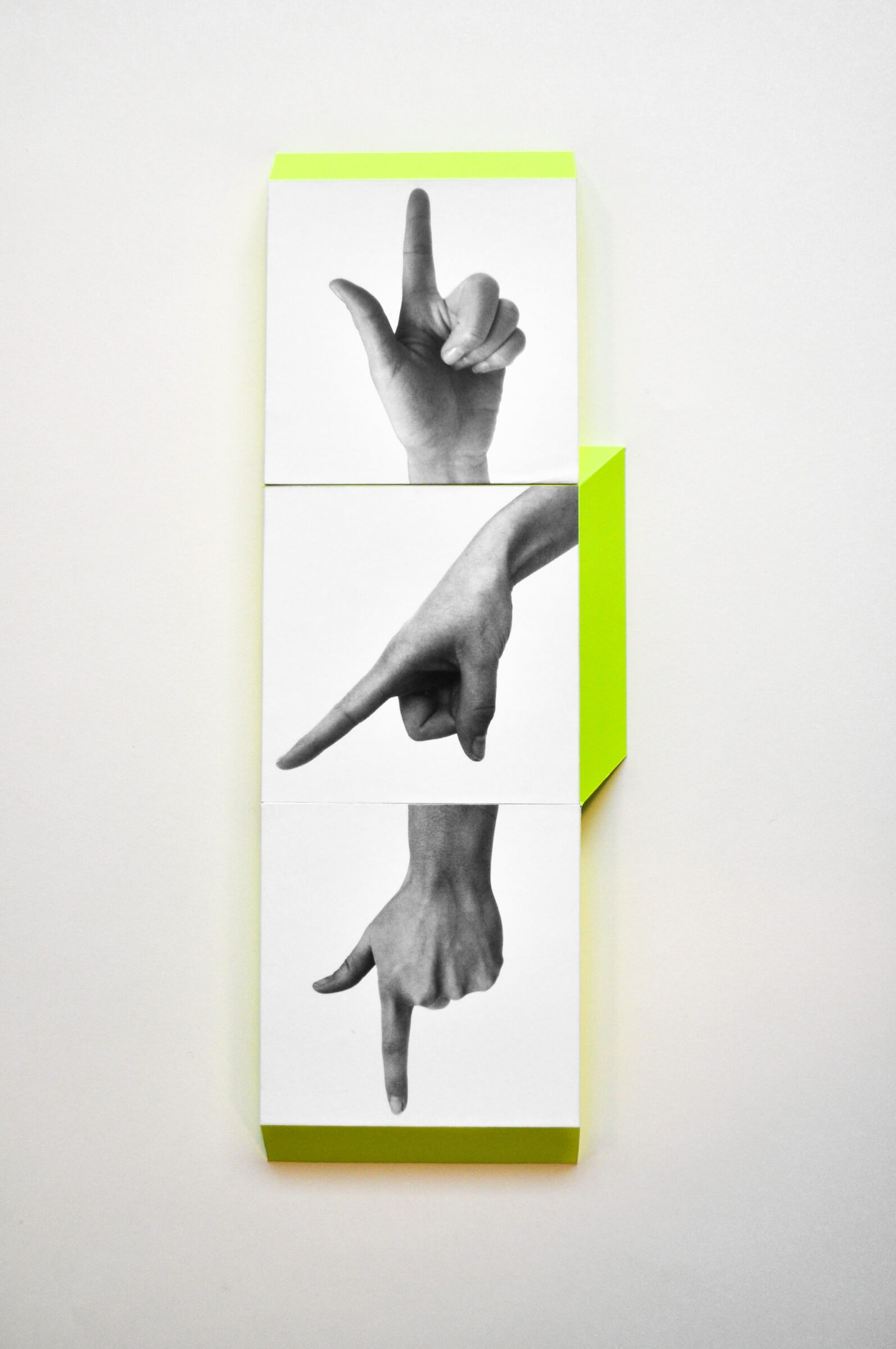
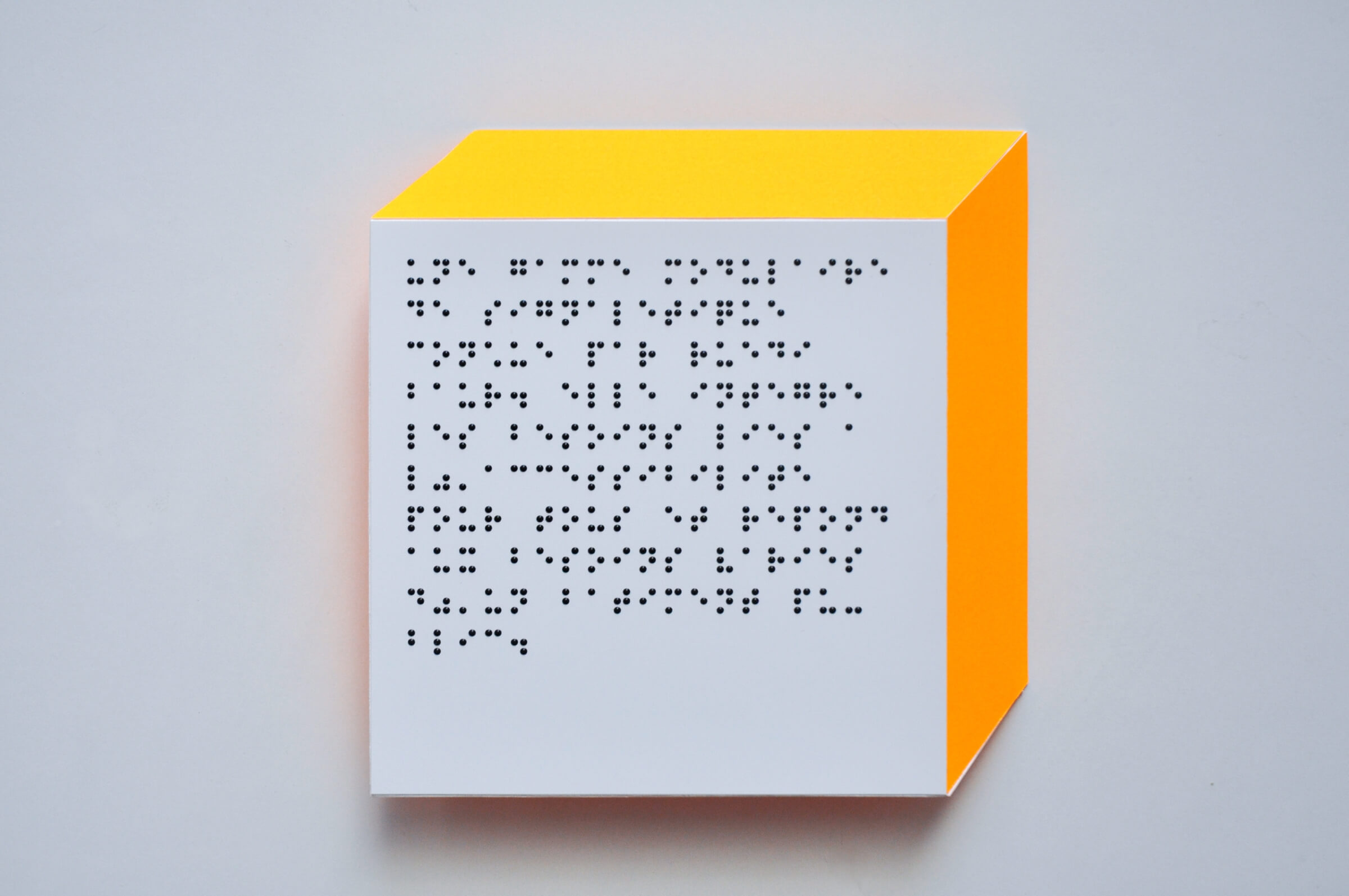
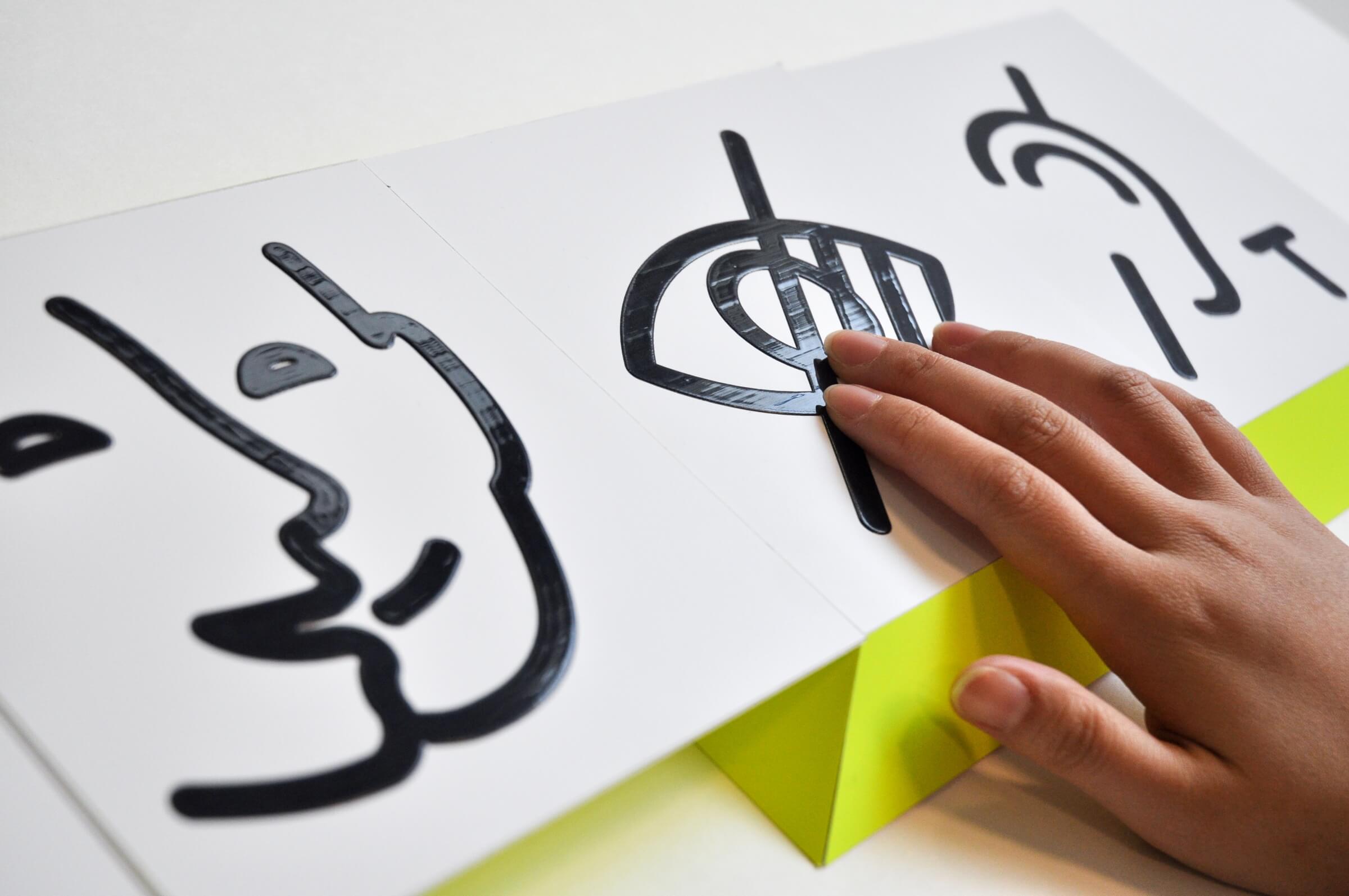
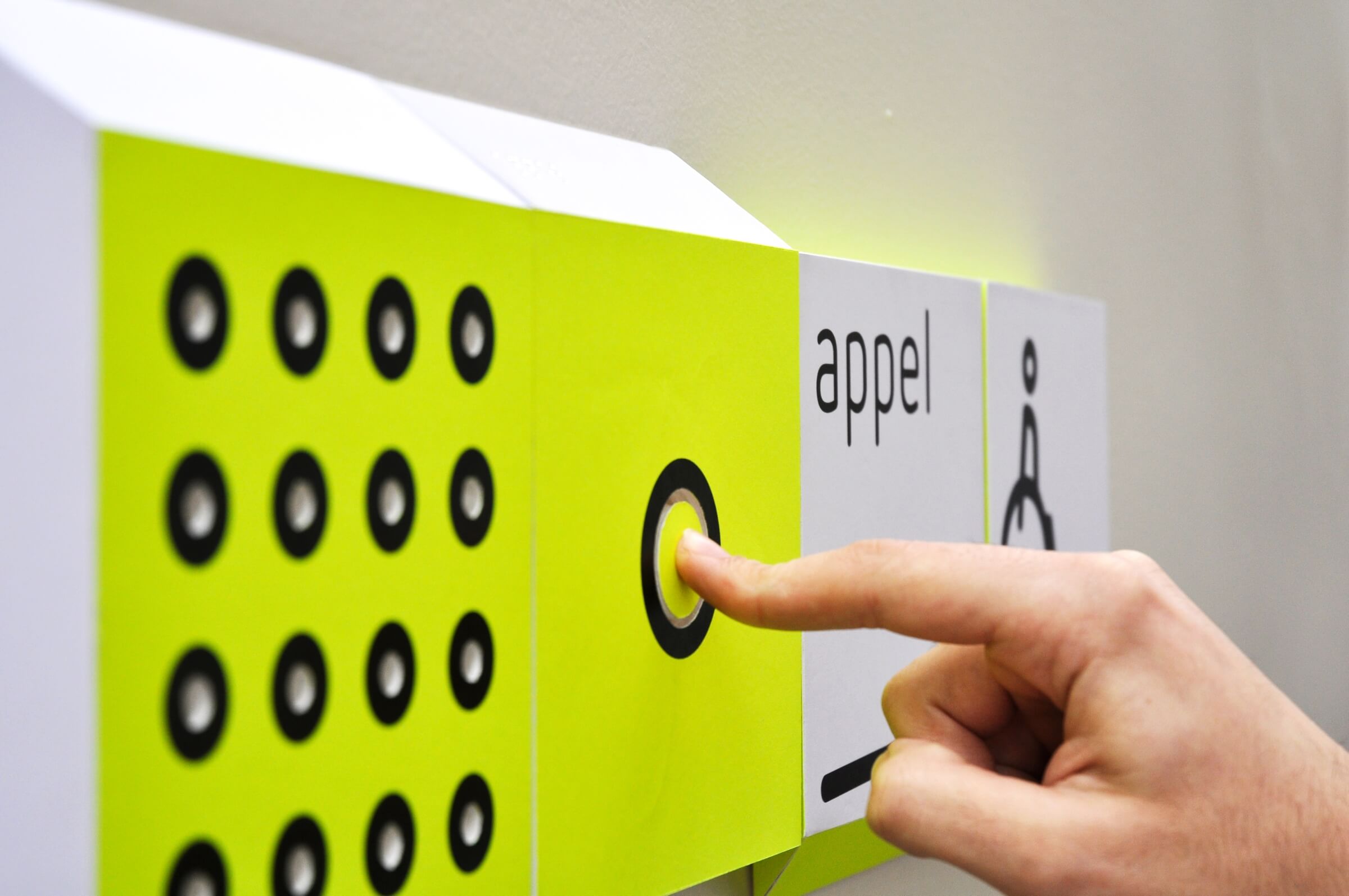
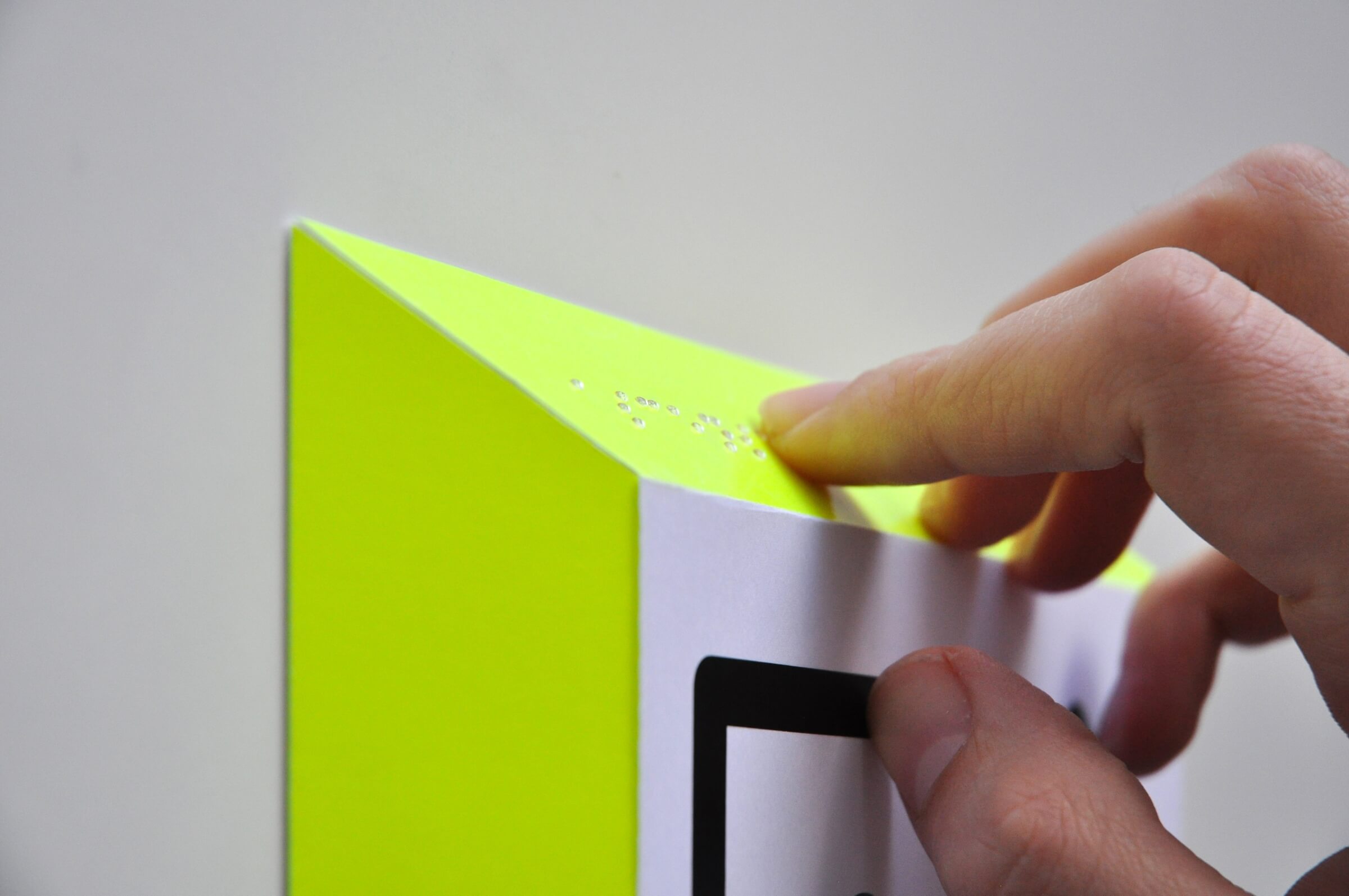
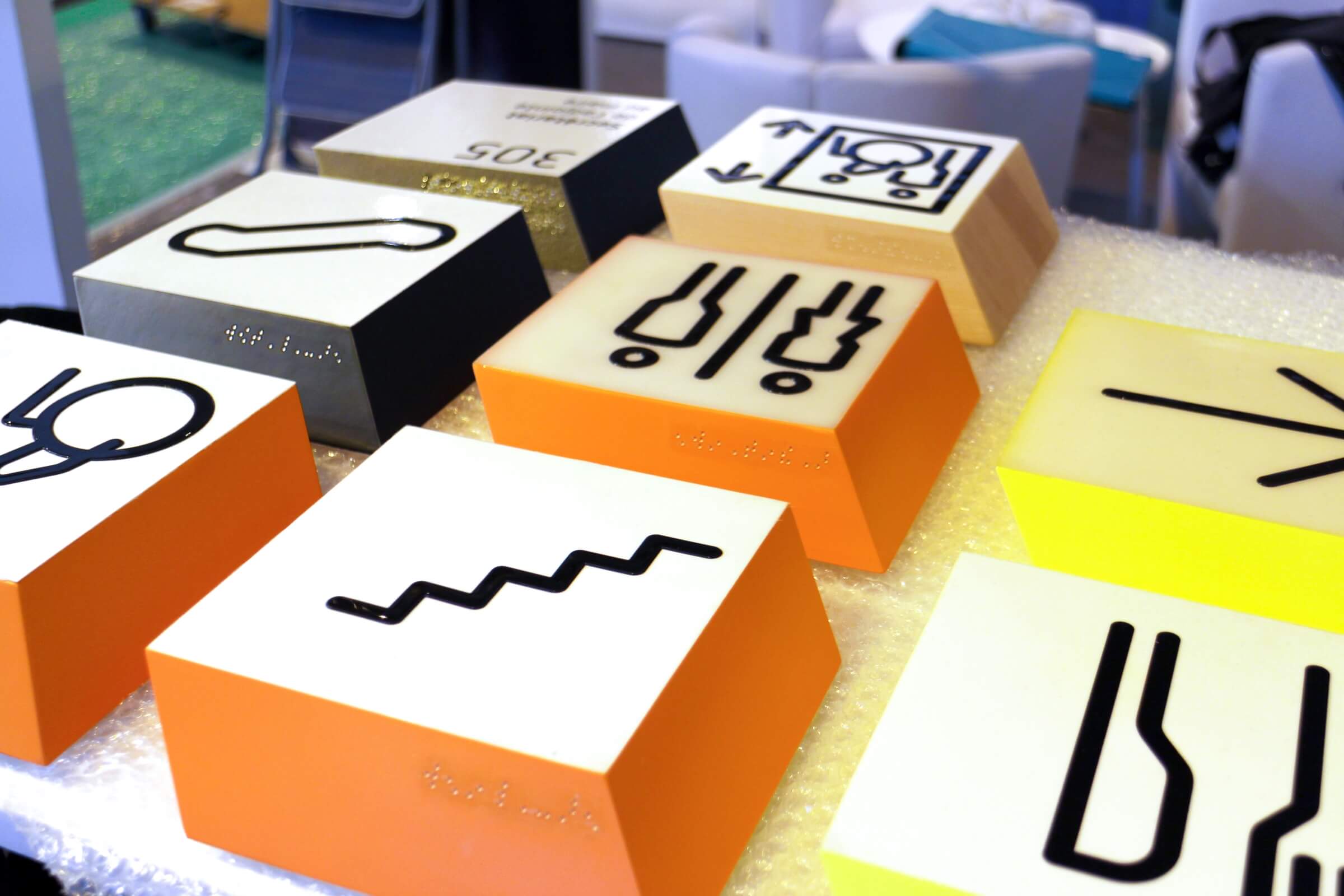
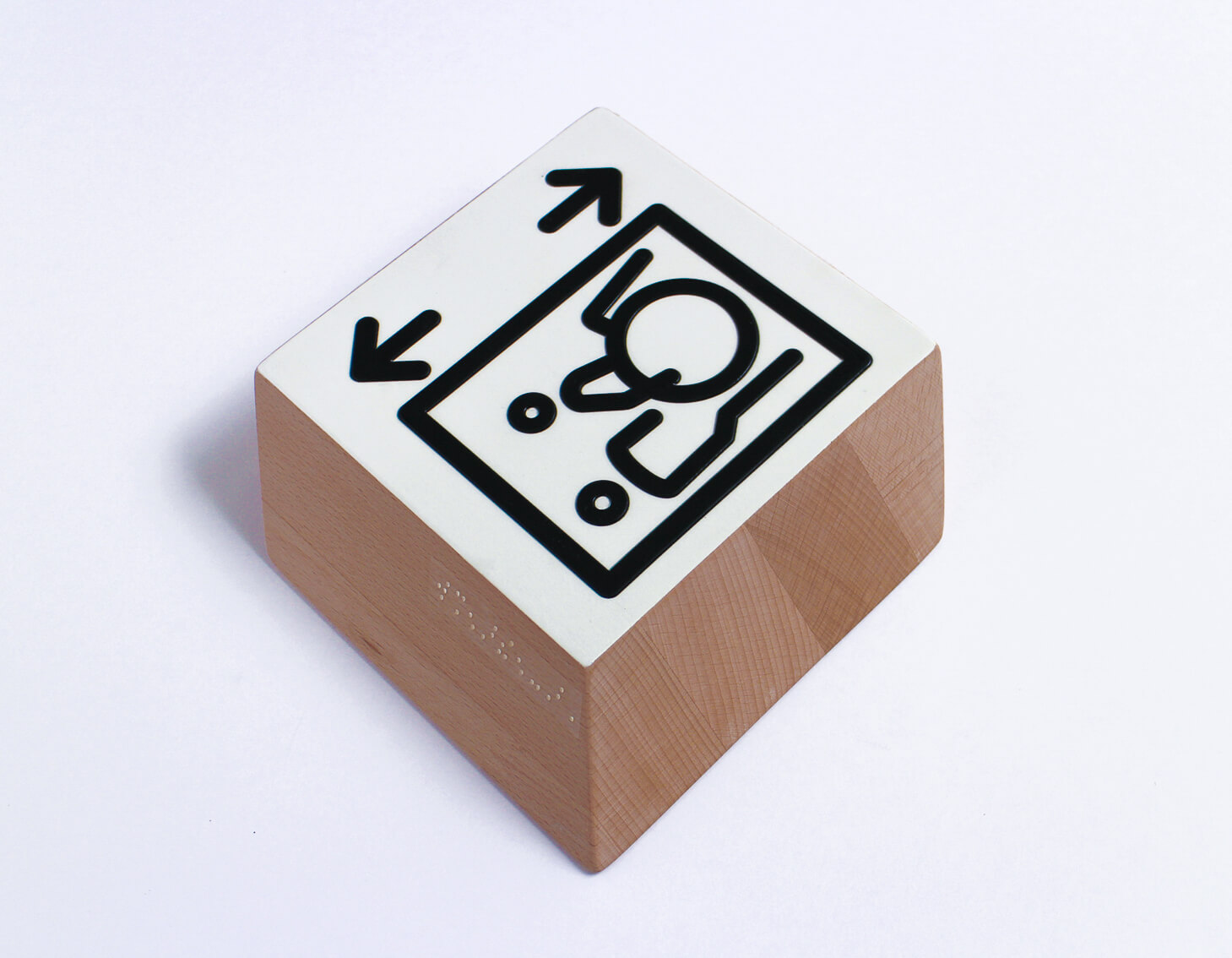
Let’s start with a piece of information displayed in a public space, such as a town hall. The challenge at hand is to make it accessible to everyone (or nearly everyone). A number of visual guidelines can help optimize its visibility and readability; the positioning of the text makes it easy to read for both standing and seated individuals. An audio supplement or Braille makes the information accessible to the visually impaired. Pictograms complement these measures by partially assisting the illiterate. But let’s also consider children, the many people who speak foreign languages, poets, and all those who are resistant to dealing with government agencies, etc. Designing for accessibility means thinking about the diverse, the different, the whole world, and the contextual as well, because no single solution will ever address all issues; it will never be entirely universal, nor entirely perfect. It is worthwhile to approach this issue in a way that is both serious and joyful, striving to counter the rationalist approach that is disastrous for our environment. Let us therefore move beyond the issue of accessibility by striving to truly offer accessibility to all. Based on this approach, we have designed a signage system built on the principles of multilingualism and diverse meanings. Its primary purpose: public institutions.
Design team — Ruedi Baur, Eva Kubinyi, David Thoumazeau — in partnership with Eo guidage