2016
"Imprisoned Freedoms": A Meeting with the Sahrawi People
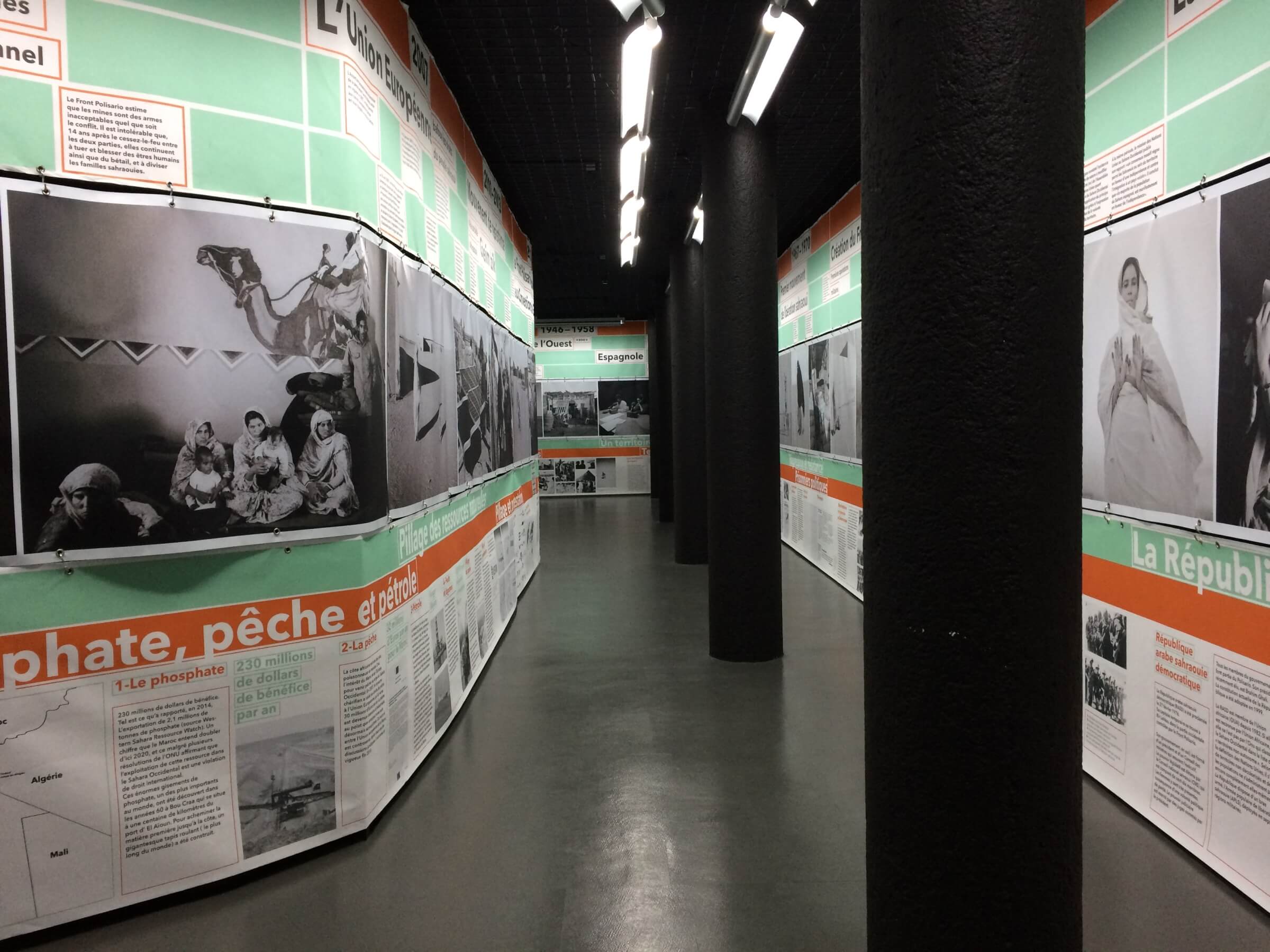
The conflict over Western Sahara—a territory located between Morocco, Algeria to the northeast, and Mauritania to the east and south—has pitted this former Spanish colony against Morocco ever since the Polisario Front declared it independent in 1976 under the name Sahrawi Arab Democratic Republic (SADR), with Algeria’s support. Moroccan and Algerian forces clashed there between late 1975 and 1976, creating tens of thousands of refugees in Algeria. The guerrilla war with the Polisario Front ended in 1991. Morocco controls and administers approximately 80% of the territory, while the Polisario Front controls the remaining 20%, which Morocco has left behind a long security belt known as the “Moroccan wall.”
The Sahrawi refugee camps are among the oldest. Established over 30 years ago, more than 120,000 refugees wait in four remote refugee camps—El Aaiun, Awserd, Smara, Dakhla—in the Sahara Desert, southwest of Algeria. The Sahrawi refugees are almost entirely dependent on humanitarian aid.
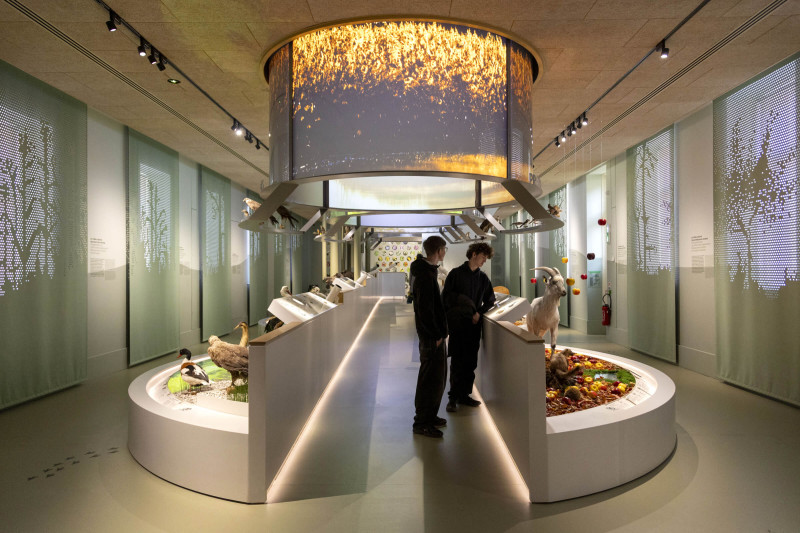
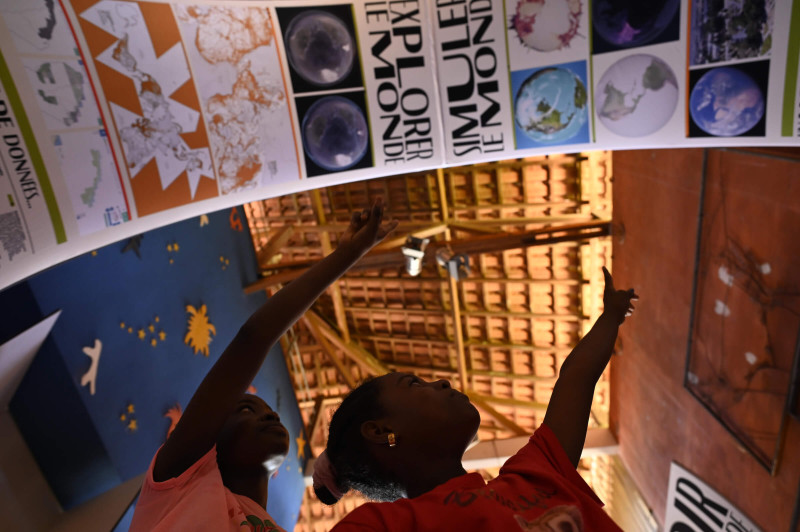
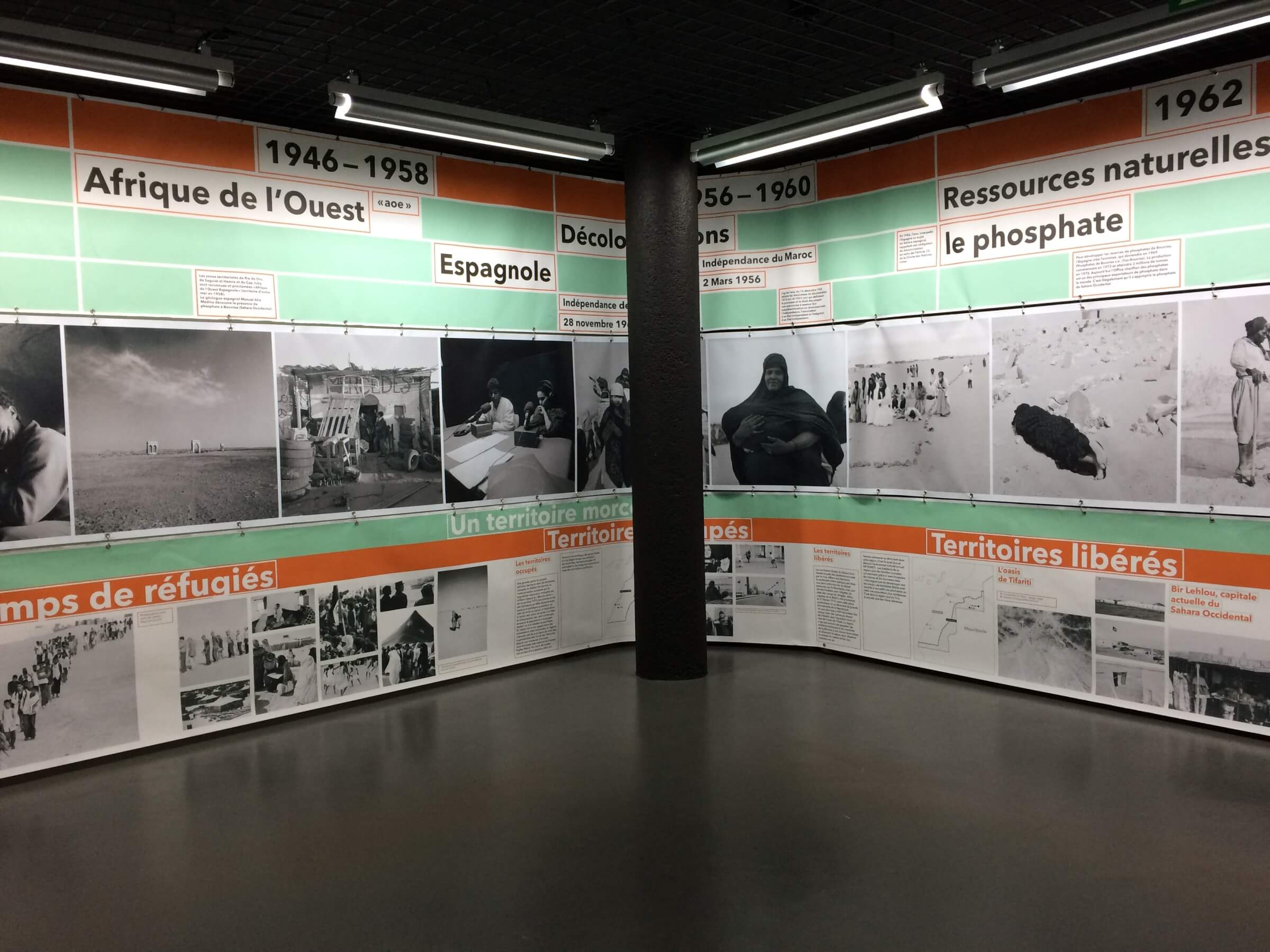
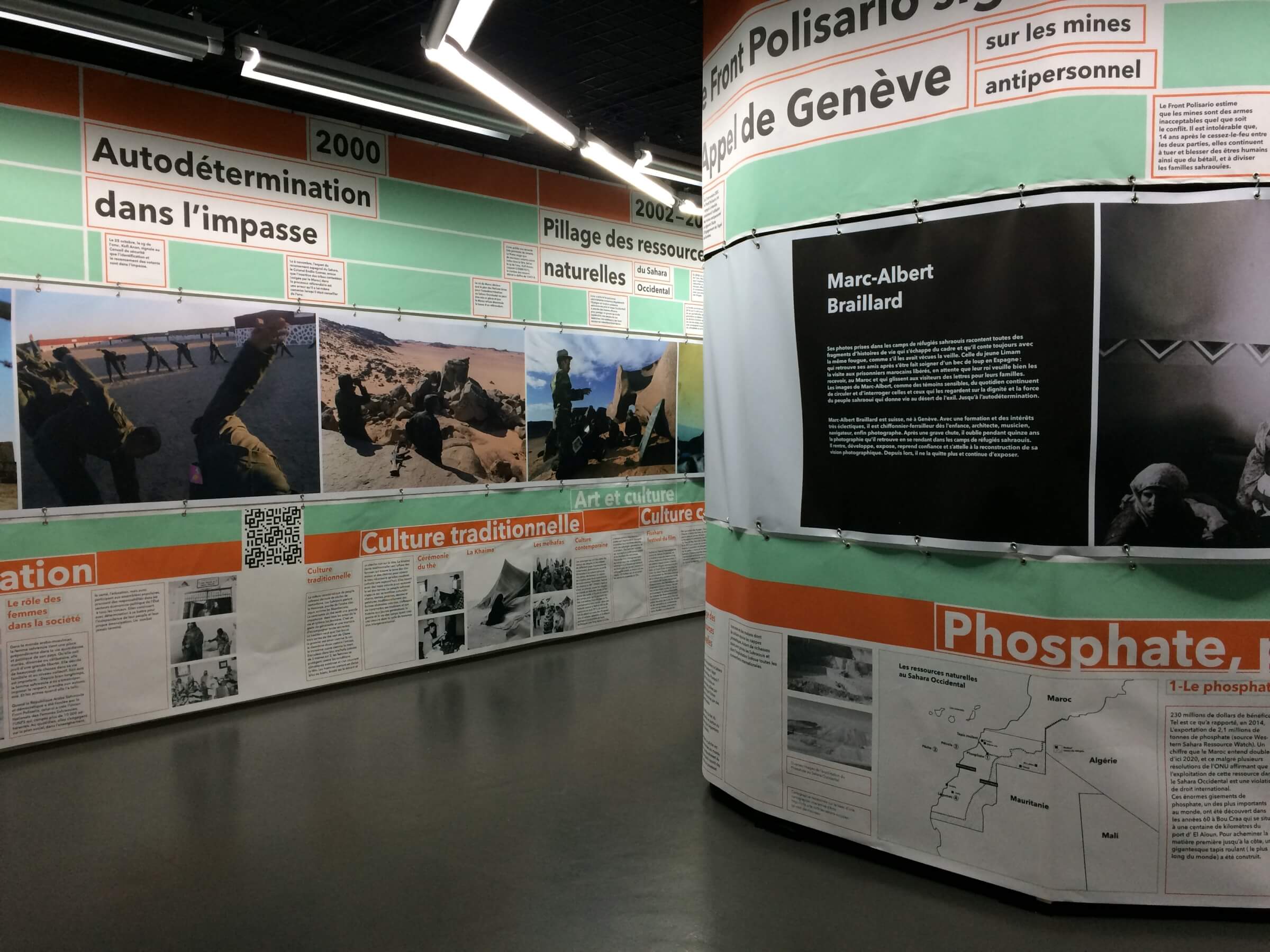
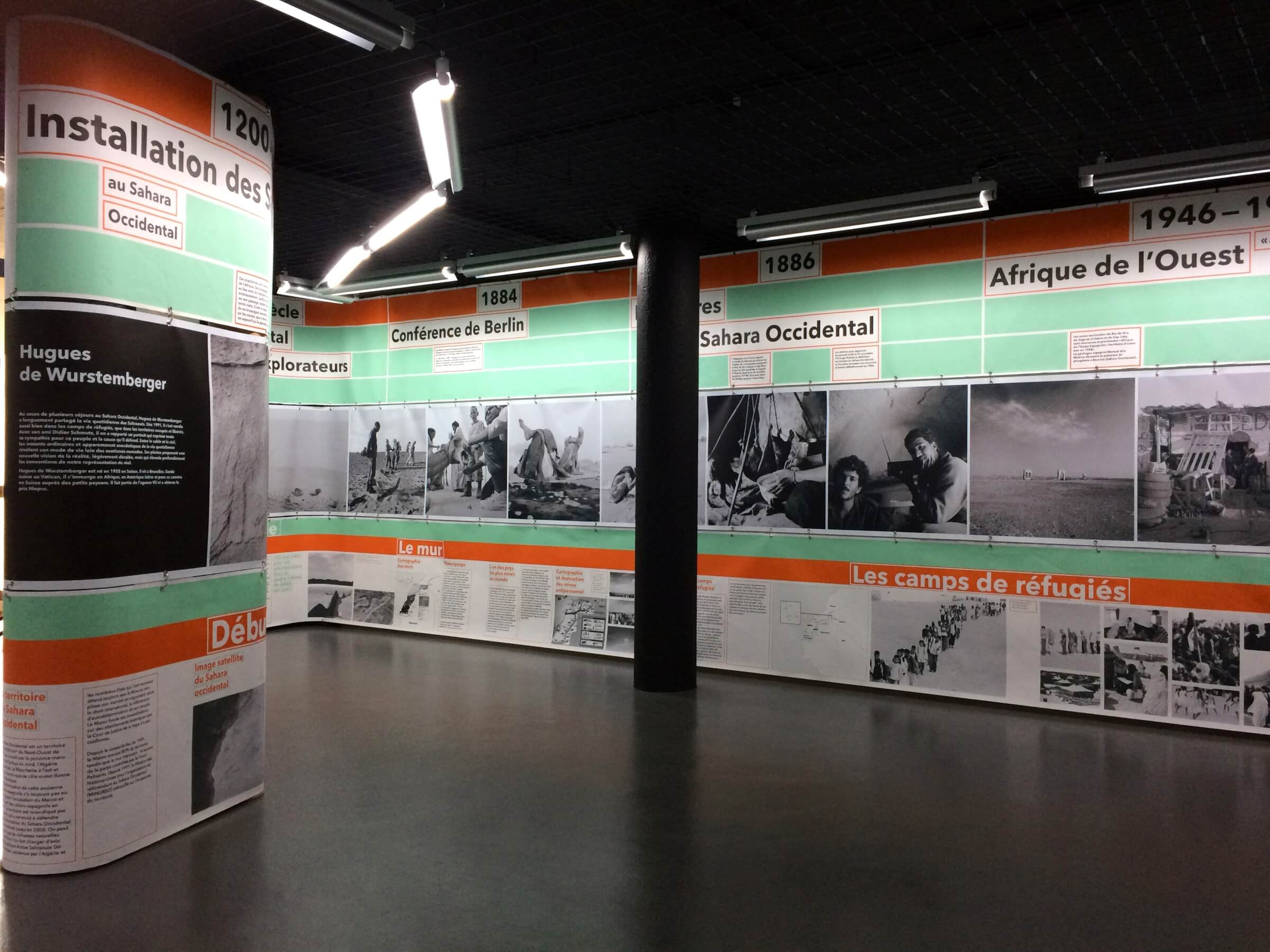
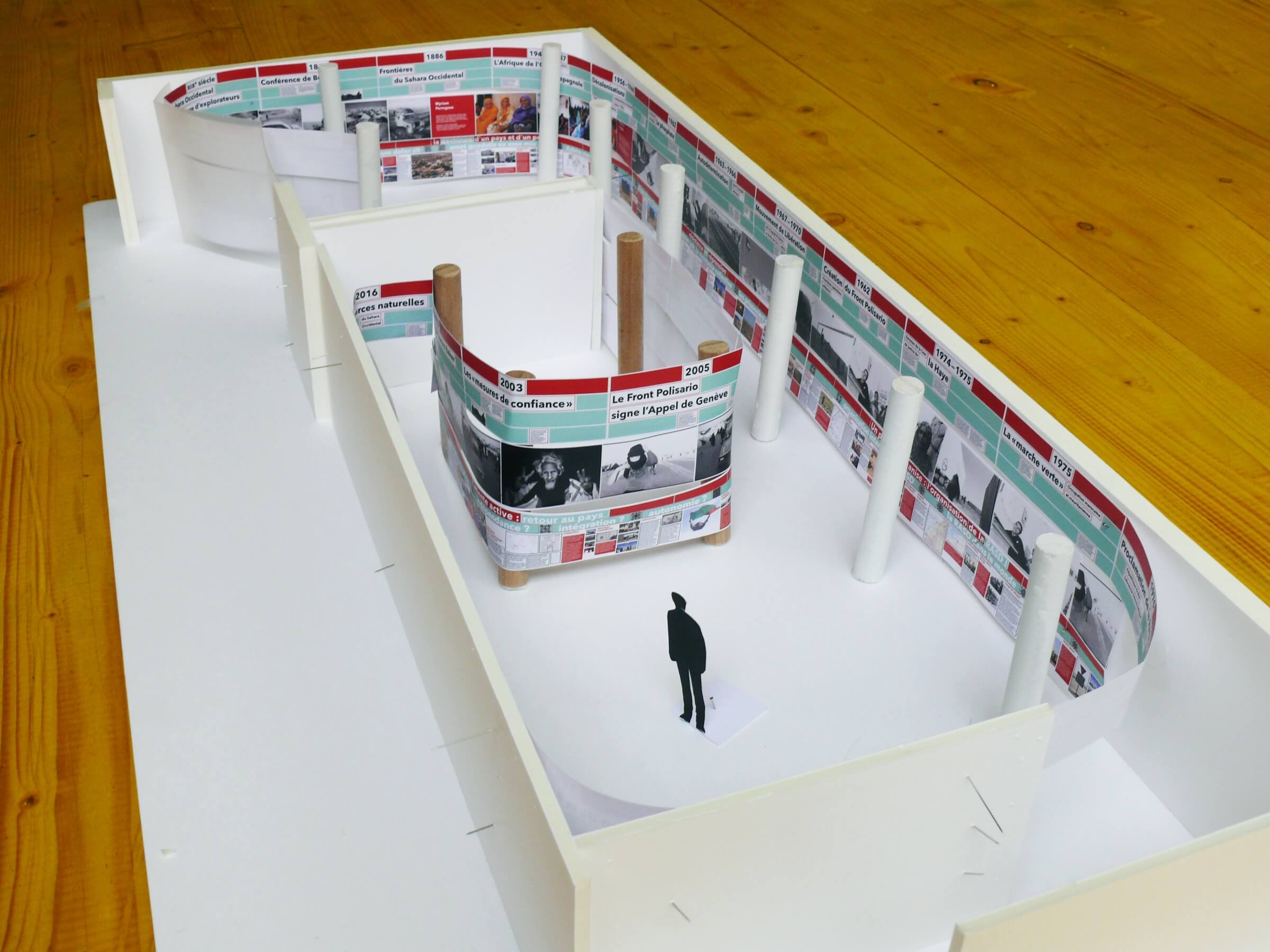
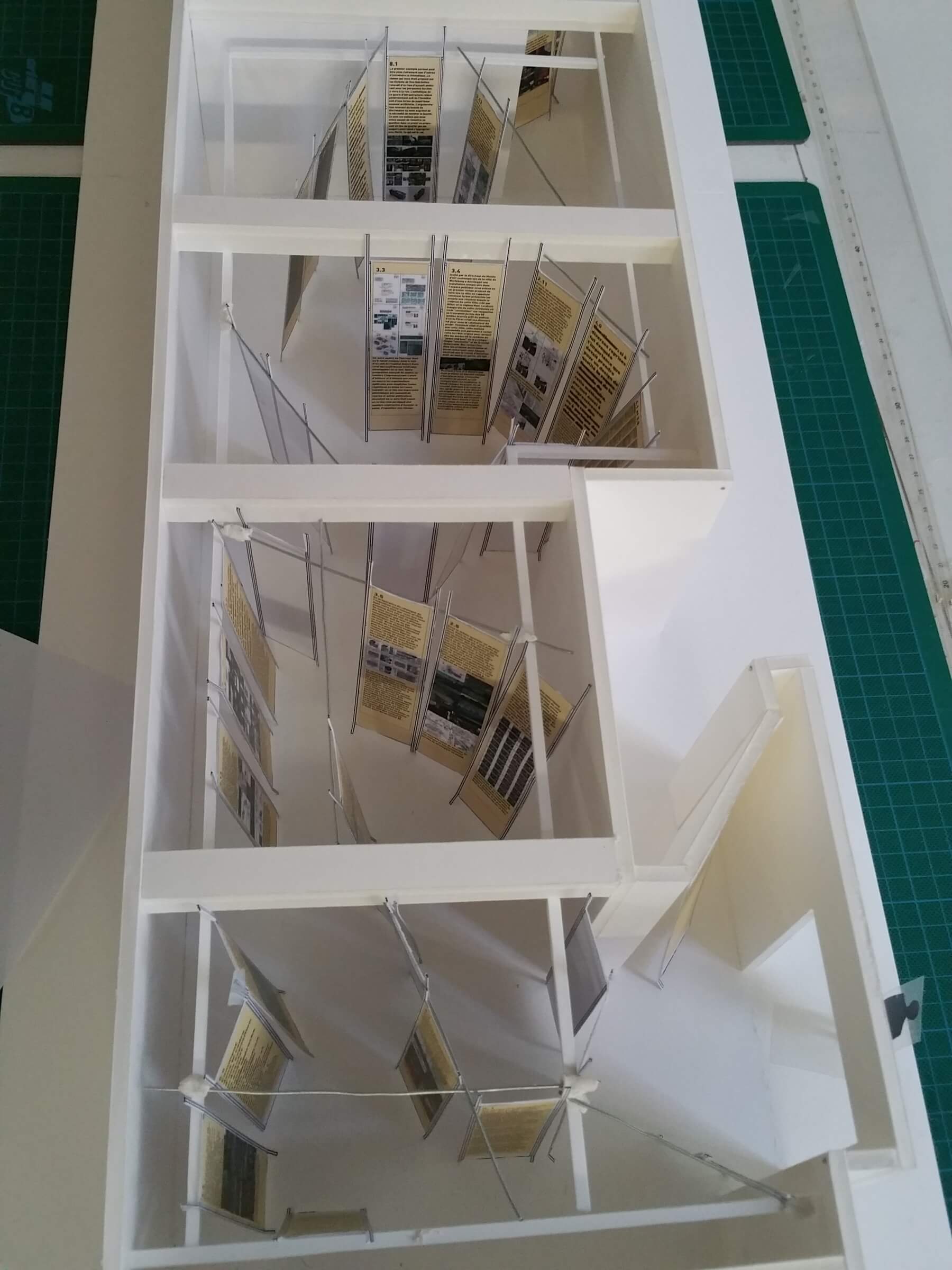
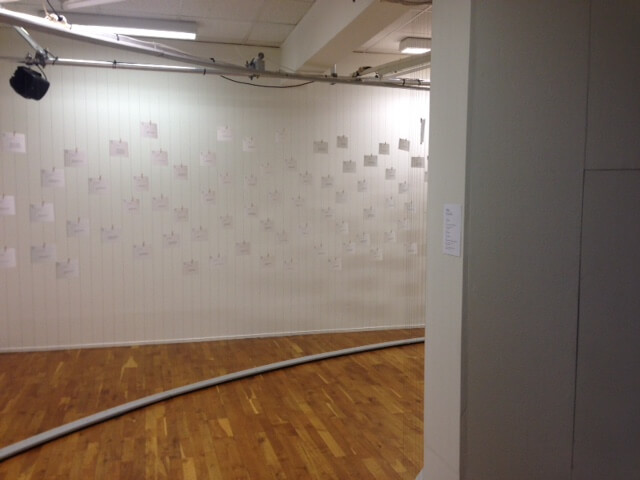
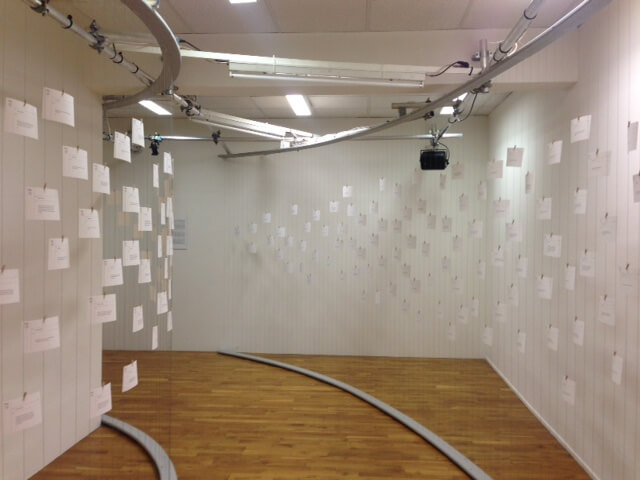
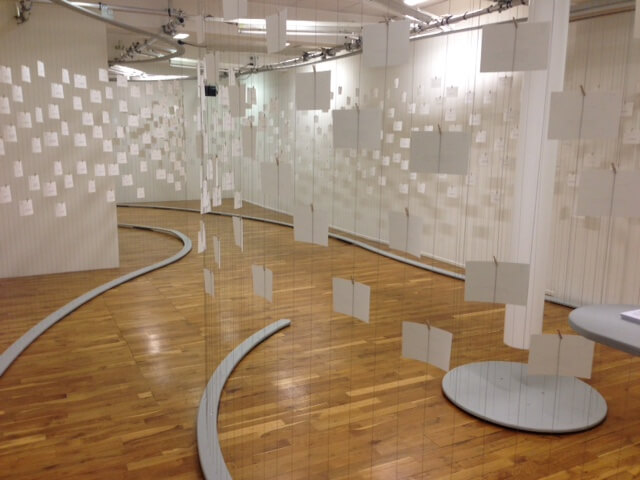
This exhibition was conceived to give the Sahrawis a voice and a face, an existence and dignity, so that their rights may be reaffirmed. Their struggle also raises profound questions for our contemporary world: the legacy of colonialism, respect for international and humanitarian law, economic interests, and political bargaining.
The official status of Western Sahara, which remains on the UN’s list of “non-self-governing territories,” has yet to be determined.
Design Team — Vera Baur, Ruedi Baur, and Anna Trebern